
Rural Wastewater Dosing: Chemical Phosphorus Removal in Package Plants
Rural wastewater plants are often sold a chemical phosphorus program copied from a municipal works, then fitted with a slightly smaller pump. A package plant in a village or township has a small tank volume, a flow that rises and falls through the day, and long stretches with nobody on site. A little too much coagulant and the sludge blanket grows fast, while pH drops. A little too little and total phosphorus misses the discharge limit. This piece is only about chemical phosphorus removal on a small package plant. It is not about rural drinking-water disinfection, and it does not transplant a municipal online phosphate loop onto a cabinet plant that no one will calibrate.
Why rural wastewater package plants are a different dosing problem
A package unit usually packs anoxic, aerobic and settling or filtration into one box. Hydraulic residence is short, and mixing is limited. Chemical phosphorus removal depends on an iron or aluminum salt precipitating phosphate, and both the reaction and the floc need time and some agitation. If the only mixing is the incoming flow hitting a baffle, the chemical short-circuits and the outlet phosphorus swings. Rural wastewater dosing has to start from that limit: a larger pump will not fix a poor injection point or a tank that cannot mix.
Flow is the other constraint in rural wastewater work. Daytime discharge from a school, a market or a kitchen can be high, and at night the inlet may almost stop. A fixed stroke set for the daytime peak will overfeed at night. A stroke set for the night flow will miss the daytime load. A package plant is better off with flow-paced dosing, or at least a day and night set point, than with one stroke running from morning to morning.
Choosing the chemical and the injection point for rural wastewater
Liquid PAC, polyferric sulfate or a similar iron or aluminum salt is the usual choice. A liquid is easier on a small site because it cuts out make-up of powder. Whether iron or aluminum is the better fit depends on inlet alkalinity, sludge disposal and local supply. Do not copy the grade from another plant without looking at those conditions. How a phosphorus-removal dosing system is put together is covered in phosphorus removal dosing system design. Overfeed symptoms for PAC are described in PAC dose for phosphorus removal. For rural wastewater on a package plant, apply those ideas at a small flow and a short residence time. A large make-up skid is usually unnecessary.
Put the injection point where the chemical can mix, without upsetting the sludge system. A common location is the pipe or a mixing pocket between biological treatment and settling or filtration. Too far upstream, the chemical is adsorbed onto sludge and phosphorus removal drops. Too far downstream, there is no time to react before the water leaves. If the plant has a return stream, keep the coagulant from being carried back to the front of the plant in bulk. Phosphorus removal in livestock wastewater, described in livestock wastewater dosing, is a useful reminder to dose in stages, but domestic rural wastewater has a different carbon and phosphorus profile, so the dose itself should not be copied.
A practical check order for rural wastewater dosing looks like this:
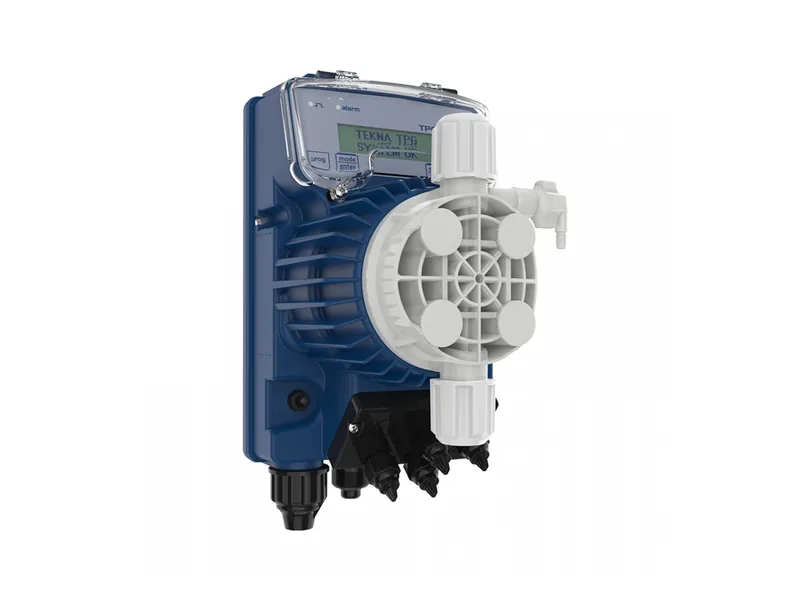
Figure 1: SEKO Tekna TPG side view. Image source: SEKO official website
- Confirm the discharge phosphorus limit and the likely inlet range, then pick the chemical.
- Place the injection point ahead of settling or filtration, with a length of pipe or a pocket for mixing.
- Pace the pump to inlet flow, and set a low-flow limit at night so the pump does not overfeed or run dry.
- Watch sludge volume and pH. Overfeed usually shows up as more sludge, a cloudy outlet or a falling pH.
Pump setup when a rural wastewater site is unattended
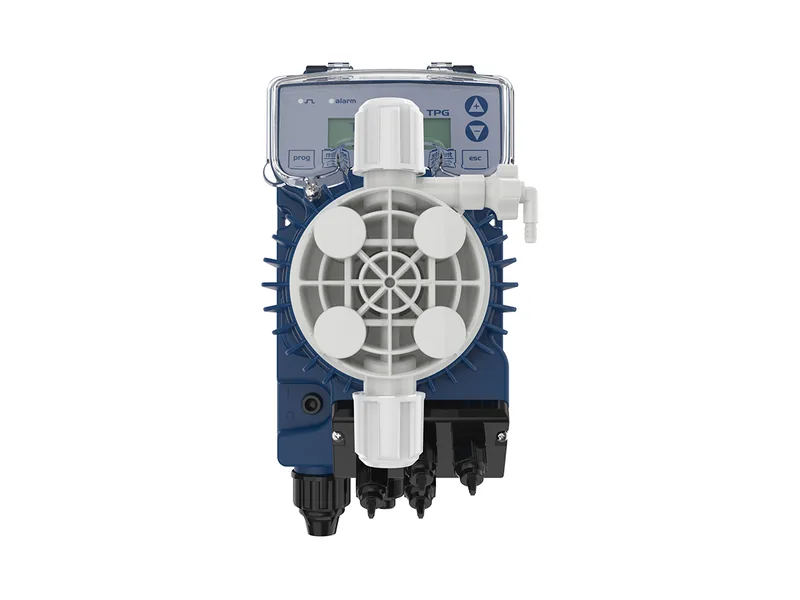
A rural wastewater township plant may see an operator once a week. Rural wastewater dosing has to stop itself on a dry tank, a blocked line or a no-flow period, rather than stroke into empty pipe. Interlock the pump to a level switch or a flow alarm, and size the day tank for the refill interval. Do not make the tank so small that it empties between visits. SEKO solenoid metering pumps are often used on this small, flow-paced duty. You can compare control options and liquid-end materials on the SEKO brand page and in the metering pump category.
A station that already has an online phosphate or total phosphorus analyzer can use that signal to trim the dose, but only if someone will maintain the instrument. A stale or dirty reading will drive the pump the wrong way. How to use that signal without overfeeding is covered in phosphate analyzer control for dosing pumps. If there is no analyzer, get flow-paced dosing and periodic grab samples right first. Do not add a control loop that nobody will calibrate.
Iron and aluminum salts are corrosive. If they reach skin or eyes, rinse at once. Stop the pump and relieve pressure before you open a head or drain a line. In winter the solution can thicken or crystallize. Trace the suction line or shorten it, and confirm the head is flooded before a cold start.
Conclusion
Rural wastewater chemical phosphorus removal works when you treat the small flow, the short residence time and the unattended shift as design conditions, not as a municipal scheme with a smaller nameplate. Choose the chemical and the injection point to match the package plant, pace the pump to flow, and watch sludge and pH. Send the flow, the inlet phosphorus, the discharge limit and the process layout through the contact page, and we will check the pump range and the injection point with you.
FAQ
Can I just downsize a municipal phosphorus pump for rural wastewater?
No. Reducing the flow rating is not enough. A package plant has a short residence time and a swinging flow, so the injection point and the control method have to be designed for the small unit, not only the pump size.
Can rural wastewater phosphorus removal work without an online analyzer?
Yes. Start with flow-paced dosing and trim it from regular lab samples. An analyzer can improve the trim, but a unit that is not maintained will pull the dose off target.
Why does sludge rise so fast after we start the coagulant?
Overfeed is the usual cause. Iron and aluminum salts add sludge. The more you dose, the more sludge you get. Cut the dose and check mixing and the injection point before you only increase sludge wasting.
Can the coagulant for rural wastewater be injected at the inlet of a package plant?
Usually not. At the very front of the unit the chemical is often adsorbed onto sludge and never reaches the point where precipitation is needed. Dose ahead of settling or filtration.
Why does rural wastewater dosing fail to pump in winter?
The solution thickens or crystallizes, and a slightly longer suction line is enough to lose prime. Shorten the suction hose, add tracing, or keep the tank inside the plant room, and confirm the head has liquid before you start.