
How to Set Polymer Concentration: Too Strong vs Too Weak
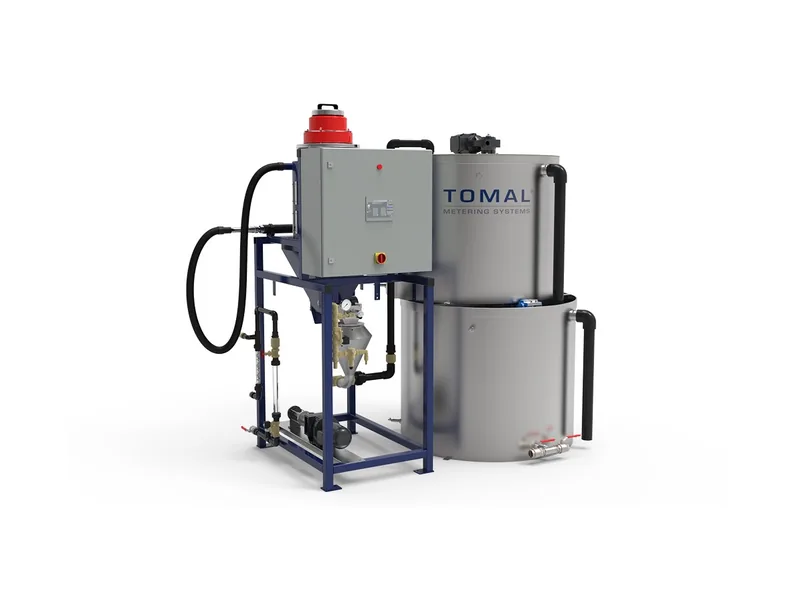
If the polymer concentration is set too high, the solution turns stringy, the metering pump struggles to draw, and valves or strainers start to film over. If it is set too low, the same dry-powder usage produces a much larger liquid volume, the make-down tank cannot keep up, and the feed pump runs close to full stroke. The number has to fit the grade, the pump's suction limit and the tank volume. This article is for operators who prepare and feed PAM.
What goes wrong when polymer concentration is too high
The first sign is viscosity. A cationic PAM used for sludge dewatering, made down on the strong side, will pull into threads and drain slowly off a dipstick. The metering pump may complete its stroke, yet the actual delivered volume falls, and check-valve balls reseat late, so the pump looks faulty. A long or thin suction line shows this earlier. If the pump is losing prime, compare the symptoms in PAM dosing pump not pumping due to viscosity.
Two other problems get missed. Dry powder can wet on the outside and stay dry in the core, forming "fish eyes" that never dissolve. Those lumps waste product and load the strainer. A thick solution also mixes poorly at the injection point: one pocket of sludge is overdosed, the next is untreated, and polymer use actually goes up. A heavy film then builds on the pipe wall, so the line is more likely to block after a stop.
What goes wrong when polymer concentration is too low
A weak solution looks easy to pump and easy to mix, but the tank and the operators run out first. Cut the strength in half and the make-down volume doubles for the same kilograms of powder per day. A tank sized for a stronger recipe then needs several batches in a day, and night staff may find the level on the bottom. Automatic units are sized at the design strength, so turning the set point down can leave them running continuously and still falling behind.
Two side effects follow. The polymer spends longer in water, so the batch ages and loses activity, especially if a large tank is made up on a warm afternoon and then sits. To deliver the same mass of polymer, the feed pump has to run faster or at a longer stroke, and once it is near full scale there is no way to raise the dose. Opening the stroke to "make up for a weak batch" just uses up the only adjustment left.
How to choose a working polymer concentration
Do not freeze a single rule-of-thumb percentage. Close in on the number in this order.
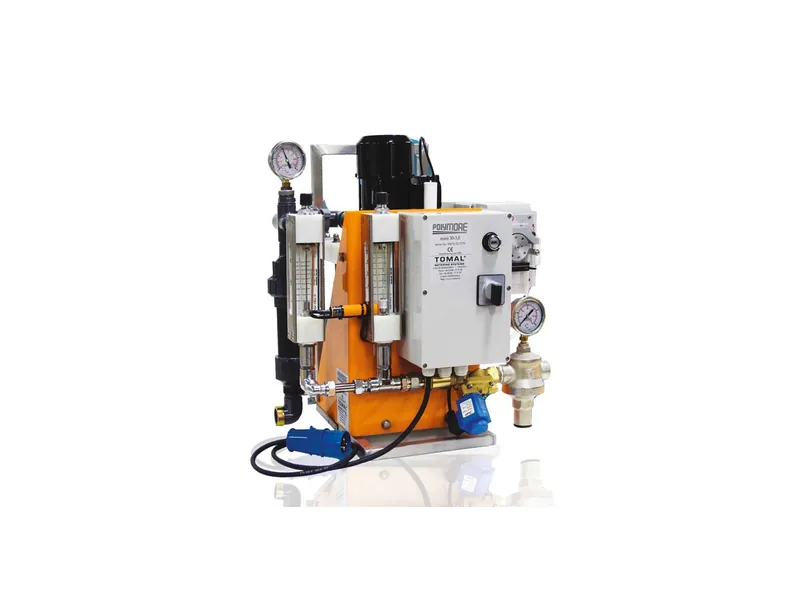
Figure 1: ProMinent PolyMore polymer preparation system. Image source: ProMinent official website
- Start with the supplier's make-down range. Cationic PAM for sludge dewatering is often prepared at 1–3 g/L. Anionic or non-ionic flocculant grades are usually weaker. Treat that range as a starting band, not a final answer.
- Check that the metering pump can draw the solution steadily. A mechanical diaphragm pump can handle a moderate viscosity if the suction line is short and reasonably sized. If the solution is clearly stringy, drop the polymer concentration one step or consider a progressing cavity pump. See diaphragm versus screw pumps for PAM.
- Convert daily powder use into batch volume and see whether the tank can turn over. Keep polymer concentration and the dose on the sludge as two separate numbers. See the polymer dosage calculation.
- Confirm with a beaker or a short plant trial: floc, drainage and polymer use matter more than running the pump at a low stroke just because the batch is strong.
On an automatic unit, polymer concentration is the product of powder feed and dilution-water flow, and the set point has to match make-down capacity. ProMinent Ultromat units prepare polymer continuously at a set strength; compare capacity on the ProMinent brand page and in the dosing skid category.
Winter viscosity and in-line dilution
The same polymer concentration that pumps cleanly in summer can stall in winter. As water temperature falls, viscosity rises, suction gets worse and strainers blind with stringy liquid. In an unheated chemical room, review the set point when the weather turns, drop it one step if needed, and check heat tracing and suction pipe size. Raising stroke alone just hides a suction problem.
Some plants keep a stronger make-down strength and add dilution water just before the injection point. That only works if the make-down pump and pipework are sized for the strong solution, the dilution water is clean and steady, and there is enough mixing length after the tee. Dirty or unsteady dilution water tears the solution apart before it meets the sludge. In-line dilution manages viscosity at the point of use; it is not a reason to raise make-down strength without checking the prepared-solution side.
Powder also picks up moisture, so a recipe based on dry weight can yield a weaker batch than the panel suggests. A bridged hopper or a feeder that runs empty will do the same. Weighing the powder used in one batch now and then is more reliable than trusting the set point alone.
How to tell if the set point is right
Judge polymer concentration by the pump, the pipe and the floc, not by the recipe sheet alone. On the pump, the suction line should be quiet, with no gulping, and stroke or frequency should still have room to move. If a calibration column is close to the set flow, that is a good sign. If the pump is already near full scale, raise the polymer concentration a little or fit a larger pump, rather than adding extra powder now and then.
On the pipe, the strainer should not need cleaning every shift, and the wall should not carry a thick film. If it is full of undissolved lumps, look at wetting and powder feed first, not at raising the strength. On performance, watch cake and filtrate for dewatering, or floc and settling for wastewater. If polymer use rises while floc gets worse, test polymer concentration and dose separately in a beaker. Do not change both at once.
Conclusion
A workable polymer concentration sits at the overlap of three checks: the pump can draw it, the tank can keep up, and the solution mixes into the sludge or raw water. Stronger is not always simpler, and weaker is not always safer. Too strong brings high viscosity, fish eyes and poor mixing; too weak brings oversized batches, long storage times and a pump with no spare stroke. Start inside the supplier's range, then close in with suction limits and tank volume, and review it again in winter. Send us the powder grade, design strength, daily usage and the pump's flow and pressure, and we will help you check the make-down strength and unit capacity.
FAQ
Where should I start for sludge dewatering PAM?
Most cationic grades can start at 1–2 g/L, then move up or down with suction behavior and floc quality. Do not begin at the top of the supplier's range. Viscosity margin is then too thin, and winter operation gets harder.
Why does the same set point pump worse in winter?
Colder water raises viscosity, suction losses go up, and strainers blind more easily. Check room temperature and suction pipe size first, then drop the polymer concentration one step if needed. Do not just open the stroke to the stop.
Can I make a stronger batch and dilute it at the injection point?
Yes, if the make-down pump and pipework are rated for the strong solution, the dilution water is clean and steady, and you leave mixing length after the tee. In-line dilution lowers viscosity at the point of use. It should not hide a make-down line that already cannot draw.
Are polymer concentration and dose the same thing?
No. Polymer concentration is the solids content of the solution in the tank. Dose is the mass of active polymer applied to the sludge or water. If you change the strength, convert the pump flow at the same time so the dose stays put.
Do fish eyes mean the batch is too strong?
Not always. Fish eyes usually come from poor wetting: powder dumped in too fast, too little turbulence, or powder added onto still water. A high polymer concentration makes lumps worse, but fix wetting and agitation first, then decide whether the strength needs to come down.