
Wastewater Nutrient Dosing: Nitrogen and Phosphorus Makeup
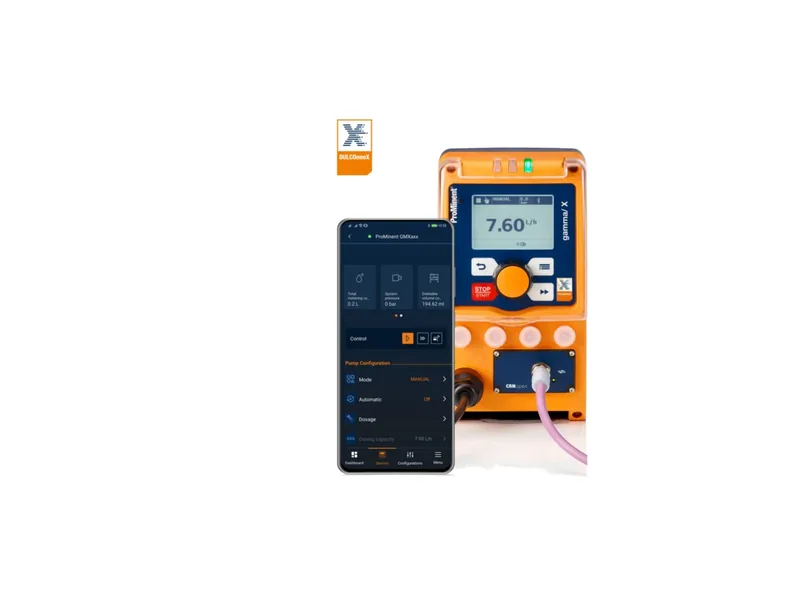
Wastewater nutrient dosing is the practice of adding nitrogen or phosphorus to a biological plant that is short of those nutrients, typically an industrial site whose influent is high in organics but poor in N or P. The anoxic, anaerobic or aerobic stage then cannot build biomass properly, COD removal stalls, and the sludge looks thin, pale or filamentous. That is not the same problem as a missing seed culture, and it is not a greenhouse hydroponic recipe. This article stays on how wastewater nutrient dosing should be set for industrial plants. Carbon-source feed is a separate duty, covered in carbon source dosing with glucose.
When wastewater nutrient dosing is actually needed
Many chemical, paper, some textile and petrochemical wastewaters carry plenty of COD and very little nitrogen or phosphorus. Aerobic organisms need both to build cells; anoxic denitrification and anaerobic stages also fail if the biomass is starved for long. A common starting band is a carbon:nitrogen:phosphorus ratio around 100:5:1 based on the organic load. That is a starting band, not a fixed formula. Whether you should add N, P or neither is decided by effluent ammonia, total nitrogen and phosphate, together with the look of the sludge. If effluent N or P is already close to or above the limit, more wastewater nutrient dosing only pushes the problem to the discharge point.
Nitrogen shortage and phosphorus shortage do not look identical. Low nitrogen often shows up as slow growth and weak COD removal; low phosphorus often shows up as a weak floc and, sometimes, odd foam. Do not open both pumps to a high rate on day one. Sample influent and effluent together. If the equalization tank is already used for pH adjustment, keep the nutrient quills away from the strong-acid and caustic quills. Layout ideas are in equalization tank dosing pumps.
Which chemicals to use in wastewater nutrient dosing
Nitrogen is commonly added as urea, ammonium sulfate or another ammonium salt solution. Phosphorus is commonly added as phosphoric acid or a phosphate salt. Do not make phosphoric acid and an ammonium salt down in one tank, and do not run them in one unisolated header, or you invite precipitates and extra corrosion. Urea solutions can throw crystals in cold weather; phosphoric acid has to be treated as a corrosive. In wastewater nutrient dosing, the two lines should have separate pumps and pipe, and should meet only in the wastewater.
Set the make-down strength from the daily use and the tank volume. Do not push the concentration to the limit just to make down less often. Pour phosphoric acid into water slowly, wear protection, and depressurize and flush a pump before you open it. Store the reagents away from oxidising biocides.
Feed points and control for wastewater nutrient dosing
Place the injection point at the back of the equalization tank, or at the inlet to the anoxic, anaerobic or aerobic reactor, so the nutrient is mixed before the biology has to use it. Do not inject at the secondary clarifier or in the disinfection stage. By then the organisms cannot use it, and effluent N or P may rise at once. The quill should sit in the main flow.
Feed continuously against influent flow or organic load. Do not pour a drum one day and stop for two days. Control can start as a manual constant rate and later follow a flow meter or an analyser. If the denitrification stage already uses a nitrate probe to run a carbon-source loop, that loop is not the nutrient loop; do not tie both chemicals to the same stroke. Probe practice is in nitrate probes for denitrification. The aim of wastewater nutrient dosing is a stable biological system with a modest residual of N and P, not a discharge that sits on the limit.
Decide what to add in this order:
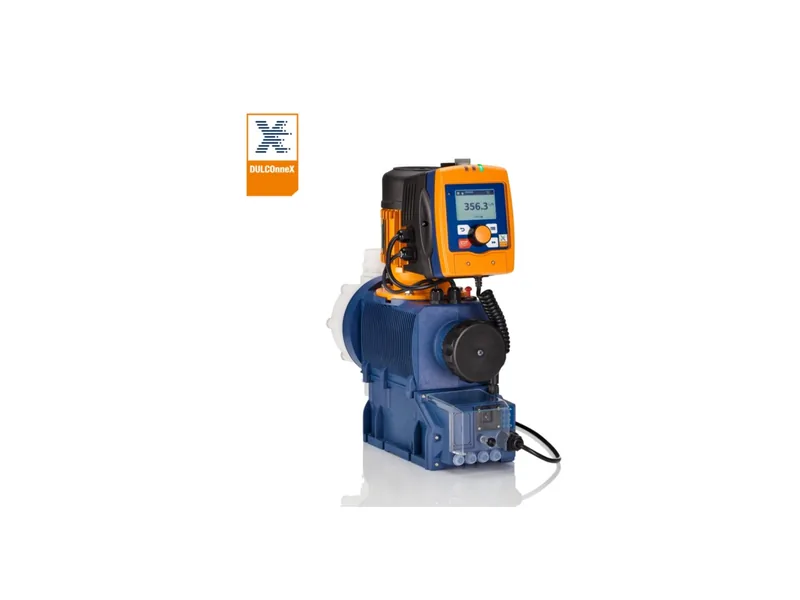
Figure 1: ProMinent Sigma/X S2Cb motor-driven diaphragm metering pump. Image source: ProMinent official website
- Read influent and effluent ammonia, total nitrogen and phosphate. If a residual is already high, do not add more of that nutrient.
- If the sludge is thin and COD is stuck, and effluent N or P is clearly low, then consider wastewater nutrient dosing.
- Change only the nitrogen line or the phosphorus line at one time, then watch sludge and effluent before you touch the other.
The first sign of overfeed is usually a rise in effluent N or P, sometimes with a change in sludge character. Turn that metering pump down first. Do not add a second chemical to "cancel" an overdose.
How to specify pumps for wastewater nutrient dosing
Nutrient solutions are usually water-like or dilute acid, and they can be fed with a solenoid or motor-driven diaphragm metering pump. ProMinent gamma/X solenoid pumps and Sigma/X motor-driven pumps are a common choice for this kind of continuous, adjustable liquid feed. On phosphoric acid, check the wet end, the seals and the pipe for acid duty; it is not enough to ask whether "it is a metering pump." Product pages are on ProMinent and the metering pump category. Send the water flow, the nitrogen or phosphorus source you plan to use, and the injection point, and we can check the pump selection.
For wastewater nutrient dosing, keep the pipe short, drainable and flushable, and provide a bund on phosphoric acid lines. Do not share a header with sodium hypochlorite, hydrogen peroxide or another oxidant. Label the day tanks clearly so a shift does not pour urea into a phosphoric acid tank. Calibrate the pumps against a measured flow. Do not live on a remembered stroke setting.
Conclusion
Wastewater nutrient dosing is how an industrial biological plant adds nitrogen or phosphorus when the influent does not supply enough. Decide from influent and effluent residuals, feed at the equalization tank or the reactor inlet, run continuously, and stop short of an effluent violation. Keep the nitrogen and phosphorus chemicals in separate tanks and pumps, and specify acid-duty materials for phosphoric acid. Send the flow, the water quality and the reagents you plan to use, and we can review the two metering pumps for flow, materials and injection points.
FAQ
Is wastewater nutrient dosing a fixed nitrogen-to-phosphorus ratio that never changes?
No. A ratio such as 100:5:1 is only a starting band. Set the dose from effluent N and P and from the sludge. Add only what is short, and stop when it is no longer short.
Effluent total nitrogen or phosphorus went up after we started adding nutrients. What now?
Turn down or pause that line of wastewater nutrient dosing first, and check for overfeed. Do not raise the carbon-source dose or the sludge waste rate just to hide an overdose.
Can urea and phosphoric acid be made down in the same day tank?
We do not recommend it. The two reagents behave differently, and a mixed tank can precipitate or corrode. Use separate tanks, pumps and lines, and let them meet only in the wastewater.
Can we inject just ahead of the secondary clarifier, so the dose is "later"?
That is a poor primary location. The nutrient is for the organisms in the biological reactors. Fed too late, it is not used, and the effluent may exceed the limit first. Prefer the equalization tank or the inlet to the biological stage.
Can one metering pump dose nutrients and a carbon source?
We do not recommend it. The two duties have different control targets, and residue in the line will interfere. Use a separate pump for wastewater nutrient dosing and for the carbon source, each trimmed to its own water-quality signal.