
Leachate Treatment Chemical Dosing: Chemicals and Pump Choice
Landfill leachate is among the hardest wastewaters to treat. COD, ammonia and salinity are high, and quality shifts with season and landfill age. Leachate treatment chemical dosing follows the process train, with anything from five to more than a dozen chemicals on one site. Lose one metering pump and the membranes downstream can suffer within hours.
This guide follows the common route of pretreatment, biological treatment, membranes and concentrate treatment, and covers what is dosed at each stage and how to choose the pumps.
Pretreatment: pH adjustment and coagulation
Before biology, leachate is usually equalised and treated by coagulation and settling. Some plants also strip ammonia.
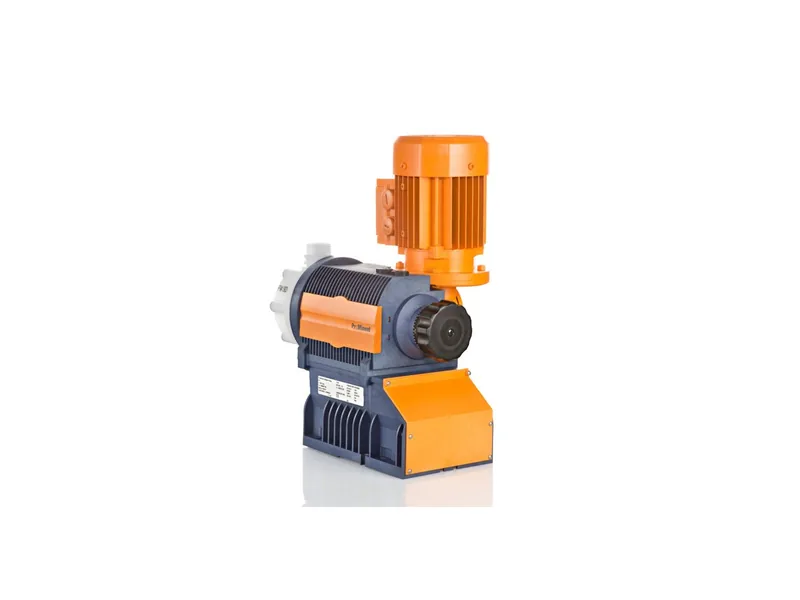
Figure 1: ProMinent Sigma/1 motor-driven metering pump. Image source: ProMinent official website
- pH control: sulphuric or hydrochloric acid to lower pH, caustic soda to raise it. Ammonia stripping needs high pH, so caustic demand is significant.
- Coagulation: PAC, PAM or iron salts to remove suspended solids and colloids and reduce load on later stages.
Leachate treatment chemical dosing at this stage involves large flows; acid and caustic can run at tens to over a hundred litres per hour, which suits motor-driven diaphragm pumps. For caustic material choice and crystallisation, see our caustic soda metering pump guide.
Biological stage: carbon, phosphorus and antifoam
Old leachate has a poor carbon to nitrogen ratio, so denitrification needs an external carbon source such as sodium acetate, glucose or methanol. Phosphate may also need topping up.
Foam in the bioreactor is a constant feature on leachate plants, so antifoam is dosed continuously in small amounts. Antifoam tends to be viscous: use a larger suction line and flooded suction.
Load varies, so pace leachate treatment chemical dosing at this stage from inflow or online COD and ammonia readings rather than leaving stroke fixed.
Membrane stage: antiscalant, acid and reducing agent
Before NF or RO, three chemicals are typical:
- Acid to bring feed pH into range and limit calcium carbonate scaling.
- Antiscalant, often well under a litre per hour, but it must not stop. Lose it and membranes scale quickly.
- Reducing agent, usually sodium bisulphite, to remove chlorine or oxidants that would damage membranes.
Run antiscalant on duty and standby pumps with flow monitoring. In leachate treatment chemical dosing, a small pump that quietly stops delivering is the biggest risk, since nothing looks wrong until permeate flow drops and pressure rises. Membrane cleaning chemicals are batched and pumped by a cleaning pump, not a metering pump.
Concentrate stage: Fenton and advanced oxidation
Membrane concentrate carries very high COD, and some plants treat it with Fenton or other advanced oxidation. Fenton needs sulphuric acid for pH, ferrous sulphate and hydrogen peroxide, followed by caustic to neutralise.
Hydrogen peroxide is the key concern. It releases gas, so pump heads must vent well, and the storage and dosing area needs ventilation and hazard assessment. Ferrous sulphate oxidises and cakes, so manage solution strength and flush lines.
Choosing pumps for leachate treatment chemical dosing
Flow and pressure
Size each pump on maximum dose plus 20 to 30 percent. Motor-driven diaphragm pumps suit acid, caustic and carbon source; solenoid pumps suit antiscalant, reducing agent and antifoam.
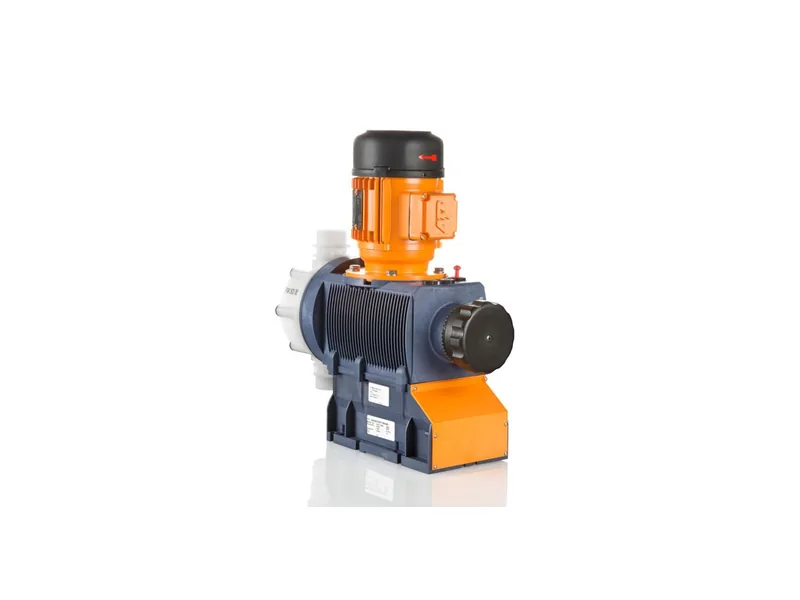
As a reference, ProMinent lists the Sigma/3 at 146 to 1,030 l/h across 12 to 4 bar and the Sigma/1 at 17 to 144 l/h across 12 to 4 bar, covering most medium and large duties on a leachate plant.
Materials
Leachate treatment chemical dosing uses aggressive chemicals, so check materials one by one:
- Sulphuric acid: suitable materials vary greatly with concentration, so check a resistance chart for heads and diaphragms.
- Hydrochloric acid and hypochlorite: PVC or PVDF heads with PTFE diaphragms are common.
- Caustic: PVC, PP or stainless steel, watching for crystallisation in cold weather.
- Hydrogen peroxide: compatible plastics or stainless steel, including valve balls and seals.
Control
Flow and quality both vary, so automate: pace from inflow and trim with pH, ORP or online analysers. Pumps take 4-20 mA and return fault and loss-of-flow signals to the PLC.
Commissioning checks
Before handing over, calibrate every leachate treatment chemical dosing pump with a measuring cylinder on the actual chemical, not water. Prove each loss-of-flow alarm by closing the suction valve, and check that every interlock with membrane feed pumps works. Record the settings, so the next round of leachate treatment chemical dosing adjustments starts from known values.
Common site problems
Corrosion in the pump room. Odour, humidity and acid mist corrode pumps and panels quickly. Ventilate well and keep panels in a separate room.
Crystallisation and blockage. Caustic crystallises in winter, ferrous sulphate cakes, antifoam is thick. Provide flushing and heat tracing where needed.
Neglected standby pumps. Most leachate treatment chemical dosing points run duty and standby. A standby pump left idle for months may have stuck valves and diaphragms. Rotate pumps weekly.
Variable chemical strength. Bought-in chemicals vary between batches. Recheck dose after each delivery.
For more background, see our articles on wastewater treatment chemicals and the wastewater dosing process.
Conclusion
Plan leachate treatment chemical dosing stage by stage. Pretreatment needs high-volume acid, caustic and coagulant; the biological stage needs carbon, phosphate and antifoam paced to load; the membrane stage needs small but uninterrupted antiscalant and reducing agent; concentrate treatment needs careful hydrogen peroxide handling. Match pump type to dose, check every material against its chemical, automate with flow pacing and online measurement, and look after the pump room and standby pumps.
To size pumps for your leachate plant, contact our engineers.
FAQ
Which chemicals are used in leachate treatment?
Typically sulphuric and hydrochloric acid, caustic soda, PAC, PAM, carbon source, phosphate, antifoam, antiscalant, reducing agent, and for Fenton, ferrous sulphate and hydrogen peroxide.
Why use duty and standby antiscalant pumps?
If antiscalant stops, RO membranes scale fast, cutting output and membrane life. Standby pumps and flow monitoring cover that risk.
Why won't the antifoam pump deliver?
Usually high viscosity and suction losses. Enlarge suction, use flooded suction, reduce stroke rate or dilute the product.
What materials suit leachate dosing pumps?
Choose per chemical. PVC or PVDF heads with PTFE diaphragms for acids and hypochlorite, PP or stainless steel for caustic.
Can leachate treatment chemical dosing be automated?
Yes. Pace from inflow and correct with pH, ORP or online COD analysers.