
Ultrapure Water Treatment Chemicals for Electronics and Chip Fabs
Ultrapure water treatment chemicals in an electronics or semiconductor plant all belong at the front of the train. Sodium bisulfite removes residual chlorine before the RO membranes, antiscalant protects the RO concentrate side, and some designs add a little caustic before the second RO pass. After that point, EDI, polishing and final filtration run without chemical feed at all. This guide is for UPW plant operators and the engineers who specify the dosing skids, and it focuses on small solenoid metering pumps, which handle most of these duties.
Where ultrapure water treatment chemicals enter a UPW train
A typical fab UPW system runs from raw water through multimedia filtration, activated carbon or ultrafiltration, cartridge filters, first-pass RO, second-pass RO, EDI, and then a polishing loop with UV, mixed-bed polishers and point-of-use ultrafilters. Chemical injection points cluster in the first half:
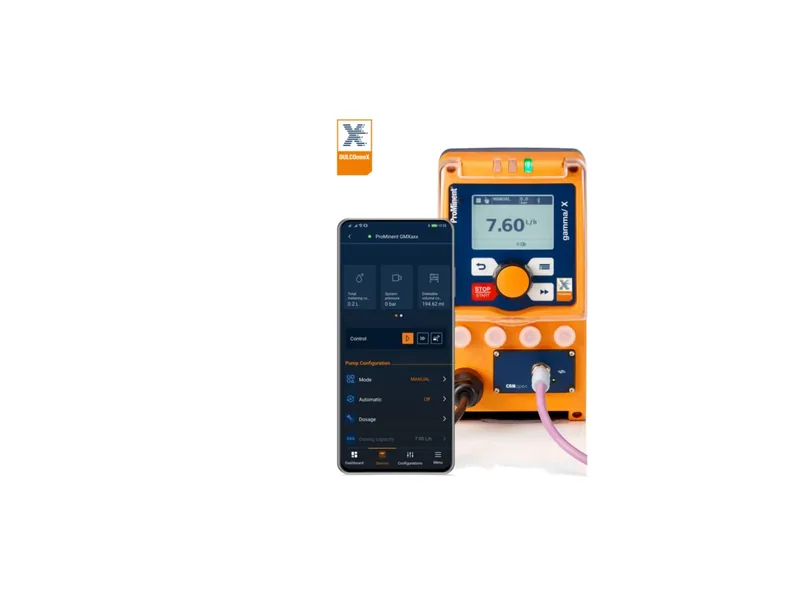
Figure 1: ProMinent gamma/X solenoid metering pump. Image source: ProMinent official website
- Raw water or pretreatment inlet: sometimes hypochlorite for biological control, and a coagulant ahead of media filters or UF.
- Upstream of the cartridge filters: a reducing agent, usually sodium bisulfite, to kill residual chlorine.
- Around the cartridge filters: RO antiscalant.
- Between the first and second RO pass: caustic for pH adjustment, if the design calls for it.
A common mistake is assuming more ultrapure water treatment chemicals means more safety. The opposite is true. Every additive is one more thing the membranes and resin have to remove downstream, so good designs use the fewest ultrapure water treatment chemicals possible and keep them early.
Sodium bisulfite: the reducing agent among ultrapure water treatment chemicals
Polyamide thin-film RO membranes do not tolerate oxidants. Free chlorine slowly destroys salt rejection, and the damage does not recover. Carbon beds remove chlorine but can break through or grow bacteria, so most fabs add sodium bisulfite ahead of the cartridge filters as a second barrier.
Feed bisulfite in proportion to chlorine, not by habit. Overdosing strips dissolved oxygen and encourages biofouling on the membrane surface. Most plants install an ORP or chlorine analyzer downstream of the injection point and interlock high ORP with the RO high-pressure pump.
The field problem we see most is solution management. Bisulfite in an open tank oxidizes in air, so a batch mixed to last a long time quietly loses strength. Cover the tank and mix only what you will use in a few days.
Antiscalant dosing as part of ultrapure water treatment chemicals
Antiscalant chemistry and scaling calculations are covered in our guides on low-flow antiscalant dosing for RO and what an antiscalant dosing system does. Two points specific to electronics plants are worth adding. Neat antiscalant flow is tiny, so many sites dilute it to keep the pump in a comfortable stroke range; use RO permeate or softened water for dilution, never city water. Keep the antiscalant and bisulfite injection points apart, each with its own injection valve, rather than teeing them into one nozzle.
Caustic before the second RO pass, then no ultrapure water treatment chemicals
First-pass RO barely rejects carbon dioxide, so CO2 passes straight through and loads the EDI. Some designs add a small amount of sodium hydroxide before the second pass to convert CO2 to bicarbonate, which the second pass can reject. This is the smallest dose in the plant and it needs closed-loop pH control: too much caustic scales the second-pass concentrate, too little does nothing.
EDI regenerates its resin electrically and needs no chemical feed in normal operation. The polishing loop treats any added substance as contamination; it relies on UV for TOC, mixed beds for ions and ultrafilters for particles. When resistivity or TOC drifts at the point of use, look upstream first: excess ultrapure water treatment chemicals carried past the RO are a more likely cause than anything in polishing.
Choosing a UPW dosing pump for ultrapure water treatment chemicals
Check stable output at minimum flow first. Feed water flow changes, and the pump has to follow it without uneven pulses at low load. Solenoid metering pumps such as the ProMinent gamma/X series are widely used here because they accept external pulse or analog signals from the feed water flow meter.
Next, check back pressure. Many injection points sit before the cartridge filters at low line pressure, and a pump discharging into near-atmospheric pressure can siphon and overdose. Fit a back pressure valve; our article on back pressure valve installation for diaphragm pumps shows the layout. For pump options, browse our solenoid metering pump range and the ProMinent brand page.
Purity of ultrapure water treatment chemicals
Fabs specify low-impurity grades of ultrapure water treatment chemicals. Mix tanks should be PE or PP, and agitator wetted parts should not be plain carbon steel that can shed rust.
Tubing and injection points
Use PVDF or PE dosing lines, keep the injection quill short and avoid dead legs. PVDF liquid ends with ceramic or PTFE valve balls suit most of these chemicals. Wear goggles and gloves when mixing caustic or bisulfite, and relieve pressure before opening a liquid end.
Conclusion
Ultrapure water treatment chemicals should stay ahead of the RO: bisulfite fed against chlorine and guarded by ORP, antiscalant diluted and dosed continuously, caustic before the second pass under pH control, and nothing in EDI or polishing. Pick pumps for low-flow stability, external control, back pressure and wetted materials. Send us your feed flow, chemicals and injection pressure and contact our engineers for a pump recommendation.
FAQ
Should the dosing pumps be interlocked with the RO high-pressure pump?
Yes. If dosing continues while the RO is stopped, chemical accumulates in the pipe and hits the membrane in one slug at restart. Wire the pump enable to the RO run signal.
Can sodium metabisulfite replace sodium bisulfite?
Yes. Metabisulfite forms bisulfite when dissolved, and many plants buy the dry powder and mix it on site. Base the dose on the converted active content.
Can antiscalant and bisulfite share one tank?
We do not recommend it. Each dose follows a different variable, and mixing the two can affect both. Separate tanks and pumps are simpler.
Does EDI need any chemical dosing ahead of it?
Normally no. EDI feed quality depends on hardness, CO2 and chlorine control upstream, which the RO passes and caustic feed already handle.
The pump is at minimum setting and still overdoses. What now?
Dilute the chemical so the pump runs in a sensible stroke range. If that is not enough, move to a smaller liquid end rather than running at an extremely short stroke.