
Phosphate Analyzer Control for Ferric and PAC Dosing Pumps
A phosphate analyzer can drive your phosphorus removal chemical feed, but not by wiring its 4-20 mA output straight into the metering pump. The measurement is too slow for that. What works on most plants is flow-paced feedforward that sets the basic dose, a phosphate analyzer reading that slowly trims it, and hard limits on the pump so a drifting sensor cannot flood the clarifier with coagulant. This article is for process engineers, controls integrators and operators at municipal and industrial wastewater plants who already know which chemical they use and now want the control loop to behave.
Total phosphorus vs orthophosphate: what your phosphate analyzer really reads
Total phosphorus includes orthophosphate, polyphosphates and organic phosphorus. A total phosphorus instrument first digests the sample with acid and heat to convert every form into orthophosphate, then measures it colorimetrically. Digestion makes the result complete, and it also makes each cycle long.
An orthophosphate analyzer skips digestion and reads the reactive fraction directly, so it updates much faster. That fraction is also the part that ferric chloride, ferric sulfate, alum or PAC actually precipitate. Particulate and organic phosphorus leave mostly with the solids in the clarifier or filter.
That leads to a common split:
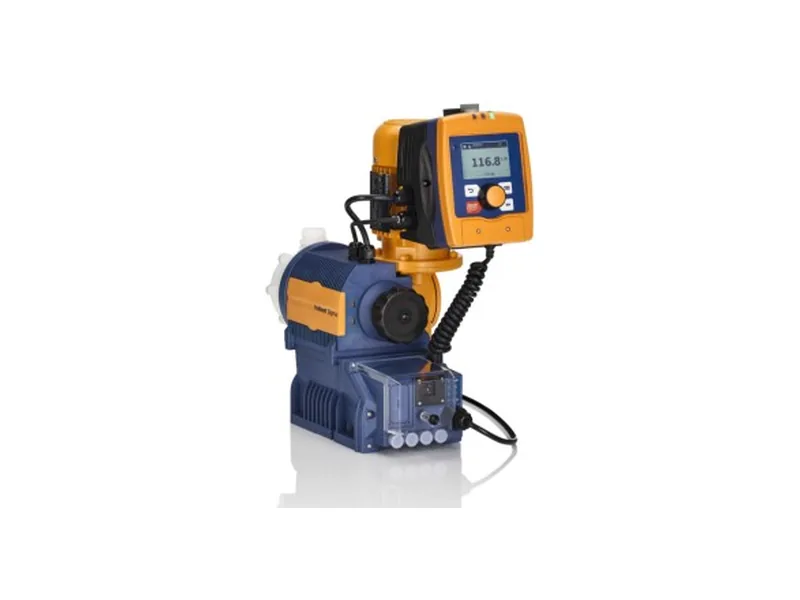
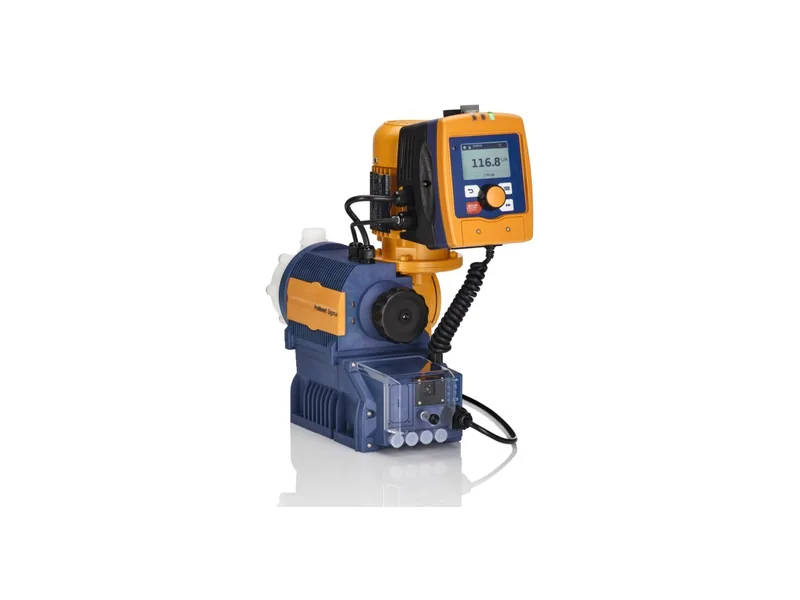
Figure 1: ProMinent Sigma/ 1 S1Cb control type metering pump. Image source: ProMinent official website
- Orthophosphate for control. Place it after the reaction zone or at the secondary clarifier outlet and use it as feedback.
- Total phosphorus for compliance. Place it at the final outfall, trend it, alarm on it, and report it.
- If the budget covers only one phosphate analyzer, put it where it shows the effect of the chemical, never only on the influent.
Why phosphorus removal dosing control cannot rely on feedback alone
Chemical added at the injection point has to mix, react, settle and travel to the sample point. Add the phosphate analyzer cycle time and the total dead time can easily stretch to an hour or more. A feedback-only loop sees high phosphorus, raises the pump, and keeps raising it because the reading has not moved yet. By the time the result catches up, the basin is overdosed, the controller backs off hard, and effluent phosphorus starts to swing.
With long dead time, feedback must be slow and small. The fast part of the job belongs to influent flow, which you can measure instantly.
A practical feedforward-plus-trim structure
Pump output = influent flow × dose factor per unit volume × feedback trim. Set the dose factor from jar tests and the metal-to-phosphorus molar ratio. Let the phosphate analyzer adjust only the trim, and limit both how far and how fast it can move, for example one small step per measurement cycle. If you want a broader comparison of manual, flow-paced and closed-loop schemes, see our guide to dosing control methods from manual to closed-loop PID.
Setting up the metering pump end
The typical chain is phosphate analyzer to PLC over 4-20 mA, then PLC to pump over 4-20 mA or pulses. The pump has to accept external analog or pulse control and stay linear across the range you will actually use.
The ProMinent Sigma X control type motor-driven diaphragm pump is a good example of what to look for. It accepts a 0/4-20 mA standard signal or potential-free contacts with pulse step-up and step-down, combines frequency and stroke length adjustment for a wide turndown, and keeps an event logbook that helps when you are tracing a control problem. Wide turndown matters here because night flow can be a fraction of daytime flow and the pump still has to deliver steadily.
A few more points when you size the pump:
- Pick a model where normal demand sits in the middle of its capacity, not at the bottom of the scale.
- Match wetted materials to the coagulant, and give ferric lines a flushing connection because ferric salts crystallize.
- Decide in advance what happens on signal loss. For phosphorus removal, holding a minimum flow-paced dose is usually safer than stopping.
For the wider system layout, chemical choice and pump count, read our article on phosphorus removal dosing system design.
Guardrails that prevent overdosing
Too much metal salt eats alkalinity, can drag pH low enough to slow nitrification, adds sludge volume and can leave color or turbidity in the effluent. If a phosphate analyzer drifts high, a naive loop will keep adding chemical. Build in these limits:
- A maximum and minimum pump output, based on peak flow at the highest dose factor and on a floor that guarantees basic removal.
- Separate limits on the trim, so the analyzer can only move the dose within a set band.
- Automatic freeze of feedback during analyzer faults, cleaning and calibration, falling back to pure feedforward.
- An operator prompt when effluent phosphorus sits far below setpoint for a long time, instead of letting the loop keep cutting.
Getting the starting dose factor right saves weeks of tuning. Our guide to PAC dosage for phosphorus removal with molar ratio and jar test walks through that estimate.
Keeping the phosphate analyzer honest
Most bad control traces back to the sample, not the loop. Suspended solids block sample lines and filters. Expired reagents, scaling in the digestion unit or a dirty cuvette make readings creep slowly, and slow drift is the hardest fault to notice. Compare the online value with grab-sample lab results on a fixed schedule, and recalibrate before you touch any tuning parameter. You can browse sensor and analyzer options by parameter in our water quality analyzer range.
Conclusion
Use a total phosphorus instrument for compliance and alarms, and an orthophosphate analyzer for feedback. Let influent flow do the fast work, let the phosphate analyzer trim slowly, and wrap the pump output in limits with a fallback to feedforward when the instrument is unavailable. Choose a pump with full external control and wide turndown, such as the units in our ProMinent metering pump lineup. Send us your flow, phosphorus targets and coagulant and contact our engineers for a control proposal.
FAQ
Can one total phosphorus analyzer run automatic dosing?
Yes, if you accept slow correction. Keep flow pacing as the main signal and let the analyzer make small, limited trim changes.
What happens to the pump if the phosphate analyzer fails?
That depends on your PLC logic. A sound program detects a fault or frozen value, holds the trim, and keeps dosing on flow with a fixed factor.
Is PAC dosing control different from ferric dosing control?
The logic is the same, but the numbers differ. Ferric is more pH sensitive and more corrosive, so it needs its own jar tests and materials review.
Where should an orthophosphate analyzer be installed?
After the chemical has fully reacted, at a point that represents treated water, such as the clarifier outlet. Too close to the injection point, the reading means little.
How much chemical will automatic control save?
There is no universal figure. Plants that used to dose a fixed peak rate around the clock usually see the biggest drop during low-flow hours.