
Sludge Blanket Level Detector for Clarifiers and Thickeners
A sludge blanket level detector tells you how high the boundary between clear water and settled sludge sits in a clarifier or thickener. Operators used to find it with a core sampler at the tank edge. A sludge blanket level detector gives a continuous trace instead, and that trace can start and stop sludge withdrawal or flag a polymer problem. This article is for wastewater operators and controls staff. It is not about MLSS meters: an MLSS sensor tells you how thick the sludge is at one point, while a blanket detector tells you how high the sludge has risen.
How an ultrasonic sludge interface sensor works
Most units are ultrasonic. The transducer sits just below the water surface and fires pulses toward the floor. Sound reflects where it meets the sludge, and the instrument converts echo time into distance and then into blanket height or blanket depth.
A sludge blanket is not a hard floor. It gets denser with depth, so the echo is a gradient rather than a sharp spike. A good ultrasonic sludge interface sensor shows the whole echo profile, so you can see a fluffy layer on top and compacted sludge below. During commissioning that profile tells you far more than a single number.
Optical sensors are the other option. They measure turbidity at a set depth and work as a high-blanket switch. They are simple and cheaper, but they only answer one question: is there sludge at this level? A small plant that only wants to stop solids carryover can start with an optical switch and add an ultrasonic sludge blanket level detector later.
Clarifier sludge level monitoring vs thickener service
Secondary clarifiers
Clarifier sludge level monitoring exists to stop the blanket rising toward the weirs and washing solids out. The sensor is mounted either on the rotating bridge or on a fixed bracket at the wall. Bridge mounting sweeps the whole tank but needs a cable or signal solution for rotation. A fixed mount is simpler; pick a representative spot away from the center well and not directly under the weir.
Thickeners
In a thickener the blanket is deep and dense, and the sludge blanket level detector is used to judge compaction and decide when to send sludge to dewatering. Dense sludge absorbs sound strongly, so set range and gain to the actual conditions.
When comparing a sludge blanket level detector from different suppliers, ask for the echo profile screen, the cleaning method, the mounting kit for bridge or wall, and how the unit handles false echoes from scrapers. A sludge blanket level detector with a clear profile display and simple blanking settings saves hours during startup, and it lets operators trust the trace instead of going back to the core sampler.
Mounting rule: keep the transducer submerged, clear of inlet turbulence and scraper steel, with room to clean it.
Tying the signal to sludge pumps and polymer feed
The 4-20 mA output from a sludge blanket level detector usually goes to the PLC. Three control patterns are common:
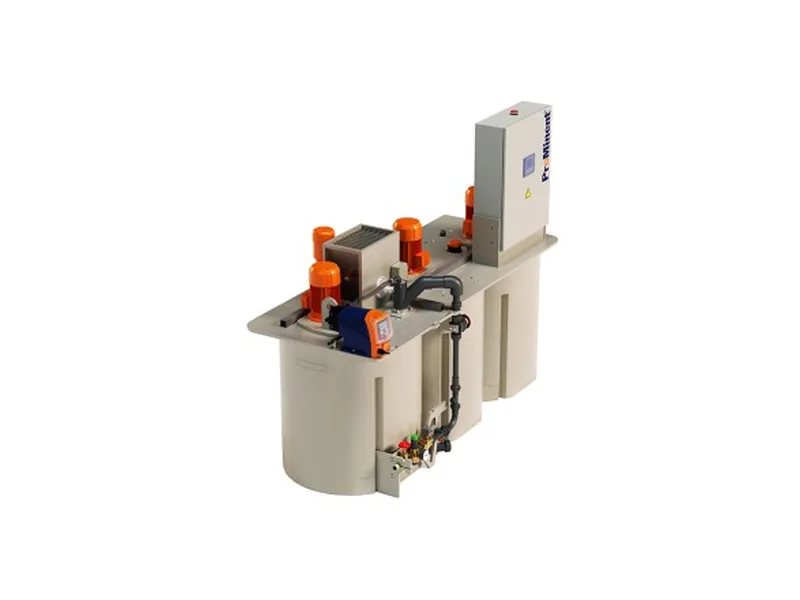
Figure 1: ProMinent DULCODOS ULFb polymer preparation system. Image source: ProMinent official website
- High-blanket alarm only, with operators withdrawing sludge by hand.
- Level control of the sludge pump: start above a high setpoint, stop below a low one, with enough deadband to prevent short cycling.
- Timer withdrawal as the base, with the blanket signal extending or adding a cycle when the level runs high.
Avoid handing the pump entirely to the blanket signal. A false echo can keep a pump running. A safer design stops the pump on whichever comes first, low blanket or a maximum run time.
Blanket behavior also hints at chemical problems. A rising, fluffy blanket often points to flocculation or sludge quality issues. Thickening and dewatering usually rely on polymer; see PAC and PAM dosing sequence and sizing a polymer dosing pump for sludge dewatering.
Polymer has to be made down and aged before it is dosed. The ProMinent DULCODOS ULFb polymer preparation system, for example, lists sludge dewatering and thickening among its applications and uses a three-chamber tank with automatic, proportional make-down. The blanket signal does not run the make-down unit, but it helps you judge whether withdrawal rate and polymer dose are in step.
Scum, scrapers and bubbles
When a sludge blanket level detector reading jumps around, the cause is usually one of these:
- Scum or algae on the transducer face. Clean it on a routine, or choose a self-cleaning model.
- Scraper arms passing under the sensor and creating false echoes. Blank that zone in the settings or move the sensor.
- Gas bubbles, for example nitrogen from denitrification in the clarifier, scattering the signal so readings drop or vanish.
- Temperature layering in the tank changing the speed of sound and causing slow drift.
Look at the echo profile before touching the gain. Only move the sludge blanket level detector once those causes are ruled out. Use fall protection at the tank edge and stop the scraper before servicing the transducer.
Conclusion
A sludge blanket level detector answers one question well: how high is the sludge. Clarifiers use it to prevent carryover, thickeners to time withdrawal. Prefer an ultrasonic unit with echo profile display and self-cleaning, mount it away from inlet flow and scrapers, and control pumps on blanket level plus a time limit. Review it alongside your wastewater chemical dosing points and our dosing skids. Send tank type, depth and your current withdrawal method, and contact our engineers to match instrument and dosing.
FAQ
Can a sludge blanket level detector replace an MLSS meter?
No. One measures blanket height, the other concentration at a point. Many plants run both.
Why does the reading suddenly drop to zero?
Usually the transducer is fouled with scum, out of the water, or lost in bubbles. Clean it and check immersion depth first.
Is one sensor enough per clarifier?
For small and mid-size tanks, usually yes. Large tanks with uneven blankets benefit from bridge mounting or a second sensor.
How do I choose the blanket setpoint?
Start from process needs and weir height, leave a generous margin below the weir, and tighten it after some operating history.
How often does a sludge blanket level detector need calibration?
Ultrasonic units rarely need it, but check against a core sampler reading on a regular schedule and correct if the gap grows.