
Total Nitrogen Analyzer Maintenance: Digestion, Reagents, Checks
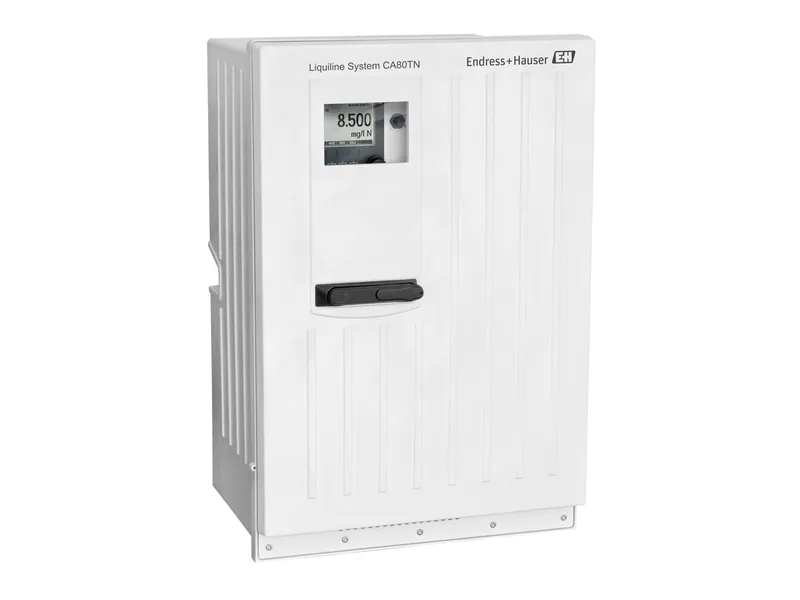
When a total nitrogen analyzer starts drifting, the cause is usually maintenance, not a failed instrument. Old reagent, a filmed digestion cell, a dirty cuvette or a standard check that slipped by a few weeks will all pull the reading away from the lab result. This guide is for operators at municipal and industrial wastewater plants who already have an online TN analyzer installed and want a routine that keeps the data defensible. It does not compare measuring methods; it covers what to look after and in what order.
How the digestion stage in a total nitrogen analyzer works
Most online units use alkaline persulfate digestion followed by UV photometry. Digestion means heating the sample with potassium persulfate under alkaline conditions so that organic nitrogen, ammonium and nitrite are all oxidized to nitrate. The analyzer then reads UV absorbance and converts it to total nitrogen. If digestion is incomplete, the total nitrogen analyzer reads low, and nothing on the display tells you why.
Three things deserve regular attention in the digestion stage:
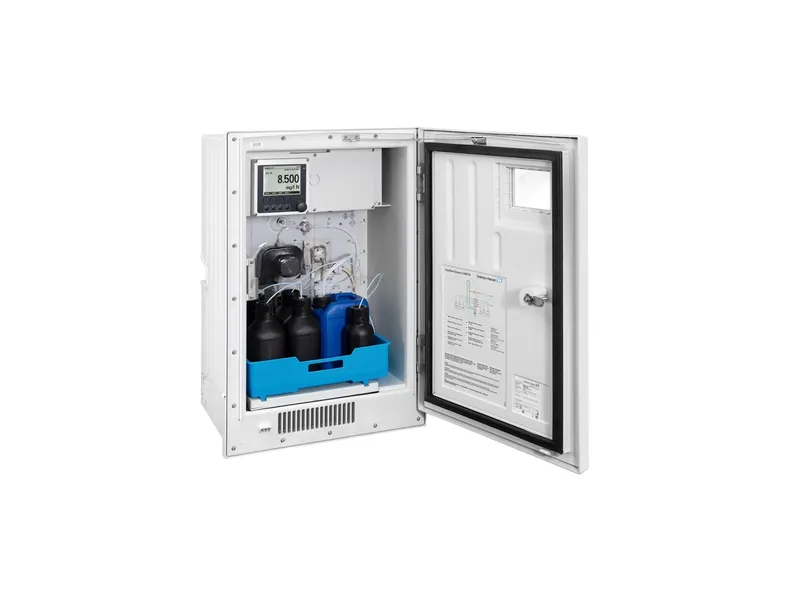
Figure 1: Endress+Hauser CA80TN analyzer with door open. Image source: Endress+Hauser official website
- Heating profile. Check the logged digestion temperature. If the reactor takes noticeably longer to reach setpoint, suspect an ageing heater or a poor sensor contact.
- Seals. The cell runs hot and under some pressure. White crystal deposits or damp traces around the reactor mean a seal is weeping.
- Reactor walls and windows. High-salt or oily samples leave a film that cuts light transmission.
The Endress+Hauser Liquiline System CA80TN is a useful reference. Its official documentation describes alkaline persulfate digestion with UV photometric measurement following HJ636, a titanium reactor and sapphire glass windows. Durable materials still need cleaning on the schedule in the manual.
Safety note: stop the measurement, let the reactor cool and vent before opening it, and wear gloves and eye protection. Persulfate and sodium hydroxide are both corrosive.
Reagent storage: the part of TN analyzer upkeep people skip
Reagent problems rarely trigger an alarm. The total nitrogen analyzer simply drifts, which is why this item gets neglected.
Persulfate solution decomposes over time, so its oxidizing strength falls and digestion becomes partial. Good practice on site looks like this:
- Store reagents dark and cool as the manual specifies. Summer cabinet temperatures are the usual trap.
- Write the opening date on every bottle and replace whole bottles on the maker's interval. Never top up an old bottle with fresh reagent.
- After a reagent change, run a standard before returning the online TN analyzer to service.
For the CA80TN, the matched consumables are CY80TN reagents and standards plus CY800 cleaner, with routine parts in the CAV880 maintenance kit. Check part numbers instead of mixing in another supplier's formulation. Collect waste separately; it should not go to the floor drain.
Cleaning tubing, valves and the cuvette
In a total nitrogen analyzer, sample lines, metering tubes and valves grow biofilm over time, and high-solids inlets add grit. Typical symptoms are an "insufficient sample" alarm or repeat measurements on the same sample that disagree badly.
A sensible cleaning order:
- Sample intake and the front filter, so large particles stop reaching the analyzer.
- Inlet and metering tubes, flushed with the approved cleaner or removed and rinsed.
- The cuvette. Look for yellowing or film and wipe it by hand when needed.
- Valves and pump tubing. Pump tubing fatigues; replace any piece that has lost its shape.
Watch sample flow as well. The CA80TN documentation lists a minimum sample flow of 15 ml/min; below that, the total nitrogen analyzer may not draw a full sample. Pump sizing, line diameter and return loops are covered in analyzer sample line design.
Standard checks and calibration intervals for a total nitrogen analyzer
Regulators will only accept total nitrogen analyzer data if the check and calibration records are complete. A check means measuring a standard of known concentration and seeing whether the result falls within tolerance. Calibration means adjusting the working curve. They are different steps; you calibrate only when a check fails.
There is no single interval that fits every site. Set it from local reporting rules, the manufacturer's recommendation and how difficult the sample is. Industrial effluent with high salt or high load needs more frequent checks than a clean municipal outlet. Always run a standard again after calibrating, because a calibration done with degraded standard solution just moves the error.
One detail often missed: choose a standard close to your normal sample concentration. If the plant runs in the low range but you only check with a high standard, low-range error stays hidden. The CA80TN has an integrated dilution module, so check each range you actually use.
Total nitrogen analyzer alarms: sample problem or instrument problem?
They fall roughly into three groups, and each starts in a different place:
- Sample alarms (no sample, insufficient sample, bubbles): start with the sample pump, filter and tubing before opening the analyzer.
- Reagent alarms (low level, expiry reminder): refill or replace, then run a standard.
- Measurement alarms (digestion temperature, low lamp intensity, over range): follow the manual for heater, lamp and windows. For over range, first confirm whether the inlet really changed.
A general troubleshooting sequence is in why online analyzers read wrong, and routine rounds are listed in the water quality analyzer inspection checklist.
Conclusion
A total nitrogen analyzer produces trustworthy numbers when four jobs rotate on schedule: digestion (temperature and seals), reagents (dates and storage), sample path (biofilm and pump tubing) and standard checks before and after any calibration. Put them into weekly and monthly task lists and most alarms disappear. Browse online water quality analyzers or the CA80TN total nitrogen analyzer page, then send us your sample type, range and recent alarm log and contact our engineers to work through it together.
FAQ
How often should an online TN analyzer be serviced?
There is no universal interval. Watch alarms and trends daily, replace reagents by opening date and the maker's limit, and set standard checks from local rules and sample difficulty. High-salt effluent needs more frequent attention.
Can I mix fresh reagent into a nearly empty bottle?
No. The old reagent may already be partly decomposed and will weaken the whole batch. Replace the full bottle and run a standard afterwards.
My total nitrogen reading jumped overnight. Is the analyzer broken?
Not necessarily. Send a grab sample from the same point to the lab, check whether the inlet really changed, and inspect the cuvette. Only then look at the instrument itself.
Can operators open the total nitrogen analyzer digestion cell themselves?
Yes, following the manual, but only after stopping, cooling and venting. Wear gloves and goggles, and fit new seals rather than reusing the old ones.
My total nitrogen analyzer and the lab do not agree. What next?
Confirm both came from the same point at the same time, then check reagent age, digestion temperature and the standard. If the offset is stable, let the check result decide whether to recalibrate.