
Flow Cell Scaling on Online Analyzers: Causes, Cleaning, Prevention
Flow cell scaling is the hard layer of calcium carbonate, iron or manganese that slowly forms on cell walls, sensor surfaces and fittings in an analyzer panel. The fix has two parts: remove the scale with a suitable dilute or organic acid, then change sample point, temperature or flow so the next layer takes longer to form. This guide is for instrument technicians in water plants, power stations and industrial water treatment who look after pH, chlorine and conductivity sensors mounted in flow cells.
Where flow cell scaling comes from
Flow cell scaling does not appear at random. A few conditions account for most cases:
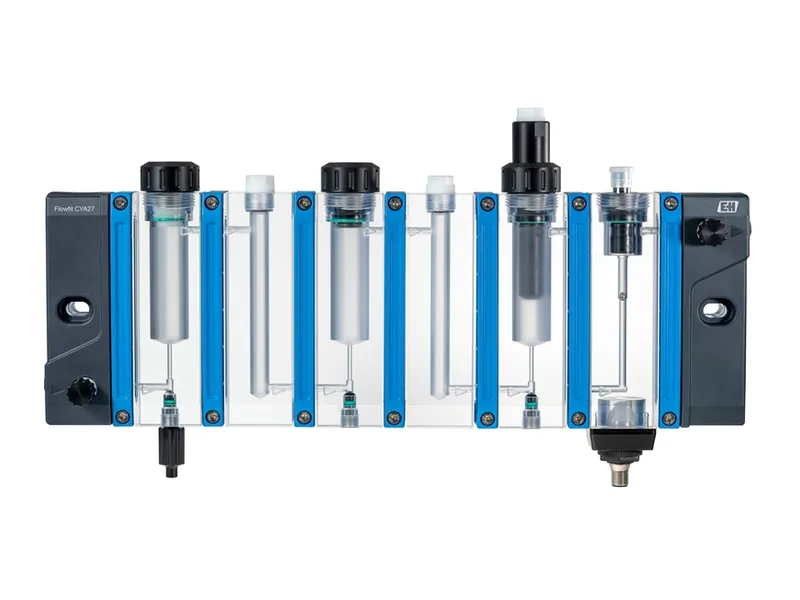
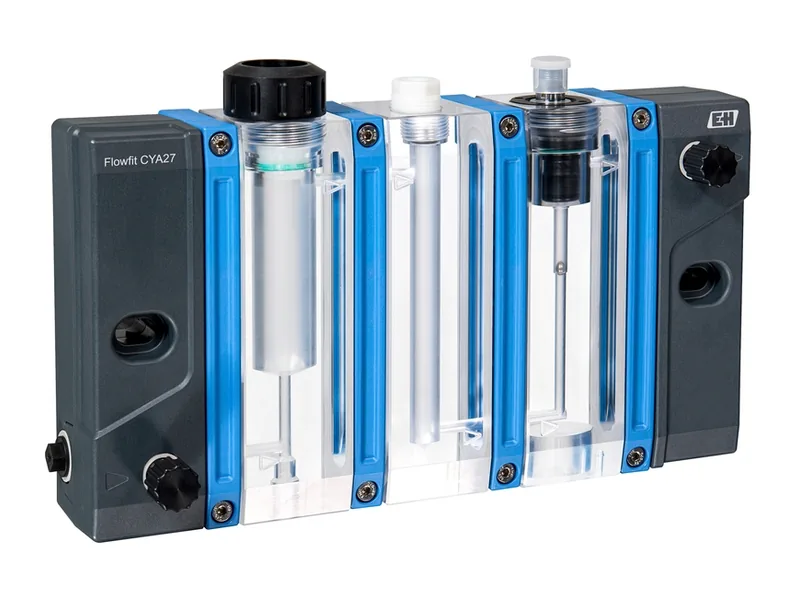
Figure 1: Endress+Hauser Flowfit CYA27 multiparameter assembly. Image source: Endress+Hauser official website
- Hard sample water. Cooling tower water, well water and RO concentrate carry plenty of calcium and magnesium, and calcium carbonate is the first to drop out.
- Warm samples. Calcium carbonate is less soluble as temperature rises. In summer, or when an uncooled sample line runs through a hot room, flow cell scaling speeds up noticeably.
- Sample points after chemical feed. Taking the sample just downstream of caustic, lime or sodium hypochlorite injection raises local pH, and calcium precipitates in the cell. Hypochlorite is alkaline too, which is why chlorine panels scale so often.
- Low or intermittent flow. Water sitting in the cell loses carbon dioxide, pH rises, and scale grows in layers.
Well water high in iron and manganese leaves reddish-brown or black oxide deposits. Those need a different cleaner from white carbonate scale, so look at the color before choosing chemicals.
How flow cell scaling shows up in the readings
Flow cell scaling rarely trips a fault alarm. It makes readings drift slowly, which is why it gets missed.
With flow cell scaling on a pH glass bulb, the electrode responds slowly, its calibration slope drops, and it takes a long time to settle in buffer. A chlorine sensor membrane covered with scale reads progressively low; the dosing controller then adds more hypochlorite, and actual residual ends up high. On a conductivity sensor, scale effectively changes the cell constant and the reading keeps wandering.
One case is easy to misdiagnose. Scale narrows the cell inlet or the flow switch, sample flow drops, and flow-sensitive measurements like amperometric chlorine fall with it. It looks like a failed sensor, but the real problem is flow cell scaling choking the sample. The check sequence in chlorine analyzer inaccurate helps separate the two.
Analyzer flow cell cleaning, step by step
Check what the cell and sensors can tolerate
Before any cleaning, check the manual for the chemical resistance of the cell body, seals and each sensor. Clear acrylic-type cells generally tolerate dilute acids but not organic solvents. Stainless parts risk pitting in hydrochloric acid, so citric acid is the safer choice there. Membrane sensors for chlorine or dissolved oxygen usually must not be soaked in acid and should come out first.
Descaling procedure
- Close the sample inlet, open the drain to relieve pressure, and put the transmitter in hold or maintenance mode so the dosing system does not react to false values.
- Remove the sensors and clean or store them separately with wet caps, as the manual specifies.
- Soak the cell in dilute hydrochloric or citric acid for white carbonate scale. Fizzing means it is working. When it stops, finish with a soft brush. For iron and manganese deposits, oxalic acid or the cleaner the manufacturer recommends usually works better.
- Rinse thoroughly. Acid left behind will bias the next measurement.
- If the manual allows a short acid soak for the pH electrode, recondition it in storage solution afterward and recalibrate.
Safety: add acid slowly to water, not water to acid. Wear goggles and acid-resistant gloves, and neutralize the spent solution before discharge.
Routine electrode care is covered in online pH, ORP and conductivity sensor maintenance.
Slowing down flow cell scaling
To clean less often, work backward from the causes:
- Move the sample point upstream of caustic or lime injection, or far enough downstream that the chemical is fully mixed.
- Cool hot samples before the panel, and keep the panel away from heat sources.
- Hold a steady flow at the rate the analyzer specifies. Do not throttle the sample to a trickle, and avoid on-off flow.
- During shutdowns, drain the cell or fill it with clean water so hard sample does not dry out inside.
- At very hard sample points, raise velocity where the measurement allows, or ask the supplier about a cell designed to resist fouling.
Where the cell is mounted and how representative the sample point is are separate questions, covered in analyzer flow cell installation.
The Endress+Hauser Flowfit CYA27 is a modular multiparameter flow assembly that holds disinfection, pH and other sensors in one unit. Its clear body makes early flow cell scaling easy to spot; confirm permitted cleaning agents in the manual.
Conclusion
Flow cell scaling comes mainly from hard water, warm samples, sampling after chemical feed and low flow. It shows up as slow response, gradual drift or falling sample flow rather than an alarm. For analyzer flow cell cleaning, check material and sensor tolerance first, pick dilute mineral acid or an organic acid by deposit type, then rinse and recalibrate. To stretch intervals, fix the sample point, temperature and flow. Analyzer panels and flow assemblies are listed under water quality analyzers. Send your sample chemistry, temperature and how fast the cell scales today, and contact our engineers to decide whether the sampling or the cell should change.
FAQ
Can I use vinegar to remove flow cell scaling?
For light carbonate scale, yes, but it is slow and smells. Dilute citric acid or the recommended cleaner does the job better.
Do sensors need recalibration after cleaning?
Yes. Any sensor that was removed, or a pH electrode that touched acid, should be recalibrated before going back online.
There is white scale on a chlorine sensor membrane. Can I brush it off?
Better not. The membrane is thin and easy to damage. Follow the manual; heavy scale usually means a new membrane cap and electrolyte.
How often should a flow cell be cleaned?
It depends on hardness, temperature and flow, the same factors that drive flow cell scaling, so there is no single interval. Log scale buildup and drift for a few cycles and the right interval for that point becomes clear.
Does automatic cleaning stop flow cell scaling?
It reduces fouling but does not stop hard scale. Wipers and water jets handle soft sludge and biofilm well; carbonate scale still needs periodic acid cleaning.