
Steel Mill Cooling Water Treatment: Direct vs Indirect Circuits
Steel mill cooling water treatment starts with one question: which circuit is the water in? Direct cooling water is sprayed onto slabs, rolled product or slag and comes back carrying mill scale, oil and suspended solids, so treatment focuses on coagulation, settling and oil removal. Indirect cooling water runs through heat exchangers and equipment jackets without touching the product, so treatment focuses on scale and corrosion control plus biocide. Chemicals, injection points and pump types differ, and plants that run both circuits on one program usually end up with black direct water and scaled exchangers. This guide is for mill water treatment operators and engineers planning cooling water upgrades.
Direct vs indirect cooling water in steel mill cooling water treatment
Direct cooling circuits serve continuous caster secondary spray cooling, descaling and roll cooling in rolling mills, and blast furnace slag granulation. The water contacts hot steel, picks up large amounts of iron oxide scale, and collects lubricating and hydraulic oil.
Indirect circuits cool reheating furnaces, blast furnace staves, hydraulic stations and motor coolers. The water stays on one side of a wall, heats up but stays clean, and is cooled in a tower. Many plants also run closed soft-water loops for the most sensitive equipment, with very low makeup and a different dosing approach.
Direct circuit steel mill cooling water treatment
A typical direct circuit runs: return water, scale pit or cyclone well, settling basin or chemical oil separator, sand filters, cooling tower, reuse. Coarse scale settles by gravity in the scale pit. Fine solids and emulsified oil need chemicals:
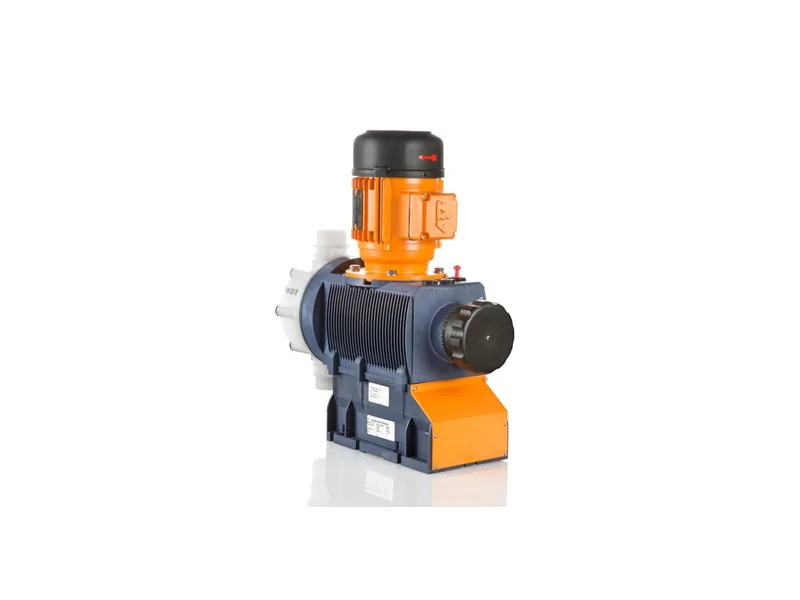
Figure 1: ProMinent Sigma/3 motor-driven diaphragm metering pump. Image source: ProMinent official website
- Coagulant such as PAC to destabilize fine particles.
- Flocculant polymer such as PAM to build large, fast-settling flocs.
- Oil removal aids where rolling mill water carries a lot of oil.
Feed points usually sit between the scale pit outlet and the settling basin or oil separator, with PAC first and polymer after a mixing and reaction zone. Our guide to flocculant dosing units for PAM and PAC covers make-down and aging.
Plugged injection points are the main headache in this part of steel mill cooling water treatment. An injection valve in a pressurized line carrying scale and oily sludge fouls quickly. Many mills dose by gravity into an open channel or the basin inlet instead, which is far easier to maintain.
Indirect circuit steel mill cooling water treatment
The chemistry follows normal cooling tower practice, explained in our article on how cooling water chemical treatment works. What is specific to steel mills is temperature and dust.
Return temperatures are often high, so scaling tendency is stronger than in an HVAC tower. Scale and corrosion control chemicals are usually fed continuously in proportion to makeup, often linked to conductivity-controlled blowdown. Biocides are typically slug-dosed, alternating oxidizing and non-oxidizing products, because airborne dust around the mill feeds algae and slime in the tower. For choosing the injection location, see dosing on the supply or return side.
Closed soft-water loops have so little makeup that chemicals are usually charged once and topped up by lab results, with a small pump or shot feeder.
Choosing pumps for steel mill cooling water treatment
- Direct circuit PAC: high volume, continuous duty; a mechanical diaphragm metering pump with PVC or PVDF liquid end.
- Direct circuit polymer: dilute PAM is viscous, so slow the stroke rate, use valves suited to viscous fluids and oversize the suction line.
- Indirect circuit inhibitor: moderate flow that follows makeup or conductivity; a motor-driven pump with external control.
- Biocide: slug doses need high flow for a short time, so size for the peak, not the average.
Pump rooms in mills are hot and dusty, so ventilation and motor enclosure rating matter. Motor-driven diaphragm metering pumps such as the ProMinent Sigma/3 fit the higher-flow, continuous duties in steel mill cooling water treatment; confirm the size against dose rate and line pressure. Browse our mechanical diaphragm metering pumps and the ProMinent brand page.
Monitoring steel mill cooling water treatment results
Dosing only works if someone checks the result. In the direct circuit, track turbidity and oil content after the settling basin and filters, and watch spray nozzle condition during roll changes; plugged nozzles are an early sign that steel mill cooling water treatment is falling behind. In the indirect circuit, corrosion coupons, conductivity and approach temperature on key exchangers tell you whether the inhibitor program is keeping up. Adjust pump output from these trends rather than by habit.
Three steel mill cooling water treatment pitfalls
A shared chemical store makes it easy to grab the wrong drum; polymer that ends up in the indirect circuit leaves sticky deposits in exchangers. Poor oil removal in the direct circuit coats tower fill, cuts cooling and raises temperature, which makes scaling worse. And feeding an oxidizing biocide through the same nozzle as a phosphonate inhibitor can break the inhibitor down. Store hypochlorite away from acids, and stop and depressurize a pump before opening the liquid end.
Conclusion
Good steel mill cooling water treatment keeps the two circuits separate. Direct water needs PAC, polymer and oil removal, ideally gravity-dosed into channels to avoid plugged injectors. Indirect water needs continuous scale and corrosion control and periodic biocide slugs. Mechanical diaphragm pumps suit the direct circuit; externally controlled motor-driven pumps suit the indirect one. Send us flows, chemicals and injection pressures for each circuit and contact our engineers to check the configuration.
FAQ
Why does direct cooling water turn black?
Usually because oil and fine iron particles are not removed and build up in the loop. Check the oil separator and settling basin first, then PAC and polymer dose and mixing.
Can rolling mill direct water run without chemicals?
Scale pits and basins remove coarse solids, but not fine solids or emulsified oil. Quality drifts down and spray nozzles plug, so most mills still dose.
Can indirect circuit dosing follow makeup automatically?
Yes. A pulse-output water meter on the makeup line drives the pump, so more makeup means more chemical, which is steadier than a fixed rate.
Which circuits does a continuous caster use?
Usually all three: a closed soft-water loop for the mold, an indirect circuit for equipment cooling, and a direct circuit for secondary spray cooling.
The polymer pump keeps alarming on high discharge pressure. Why?
Check whether the polymer was made up too strong, then look for an undersized or partly blocked discharge line. Dilute further if needed.