
Pharmaceutical Wastewater Treatment: ATEX Pumps and Materials
Chemical dosing for pharmaceutical wastewater treatment fails for three predictable reasons: the pump is not rated for the hazardous area, the wetted materials are attacked by solvents, or the chemical is injected straight into batch discharges that swing wildly in pH and strength. Get those three right and the rest of the plant becomes much easier to run. This guide is written for EHS and utilities engineers at API and intermediates plants, and for contractors who design pharmaceutical wastewater treatment systems.
Why pharmaceutical wastewater treatment is hard on dosing systems
Effluent from chemical synthesis and fermentation plants is not like municipal sewage. Several things make it tough on pumps and control loops:
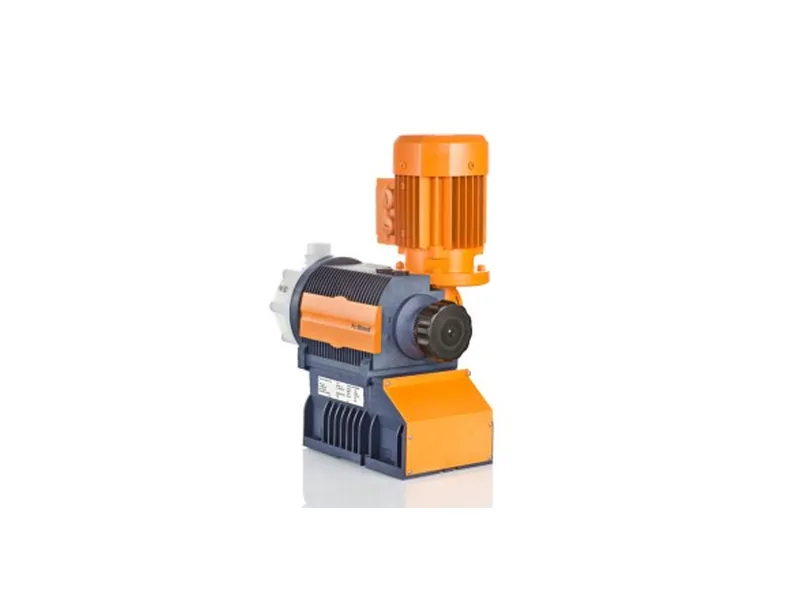
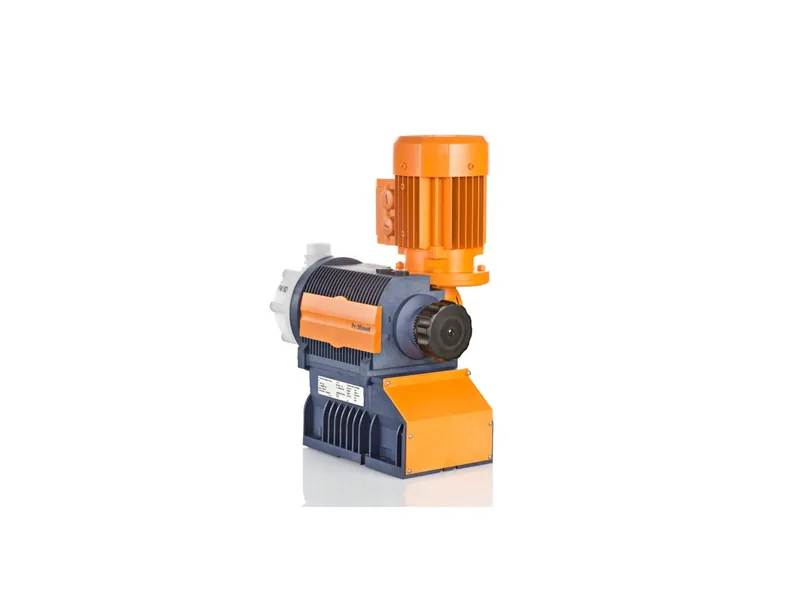
Figure 1: ProMinent Sigma/1 diaphragm metering pump. Image source: ProMinent official website
- High organic load. Pretreatment often includes Fenton oxidation, coagulation and pH adjustment, so you may run four or five chemicals on one site.
- Residual solvents. Mother liquors and vessel wash water carry methanol, acetone, dichloromethane and similar solvents. Some are flammable; some swell plastics and elastomers.
- Batch discharge. A reactor dumps at the end of a batch. One hour the stream is mildly acidic, the next it is strongly alkaline.
- Inhibitory compounds. Antibiotic residues can knock back biology downstream, so the physical-chemical stage has to be steady.
A single fixed-speed pump running at constant output, the way many municipal plants operate, does not cope with pharmaceutical wastewater treatment.
Do you need an explosion-proof dosing pump?
In pharmaceutical wastewater treatment, start with the hazardous area classification from your process safety study or design engineer. Purchasing should never guess this. A wastewater plant next to a solvent tank farm, or an equalization tank that releases flammable vapor, may fall inside a classified zone. If it does, the pump, motor, level switches, actuators and control panel all need suitable certification.
Electric ATEX pump or air-operated pump
There are two common routes:
- Motor-driven metering pump with an ATEX motor. Remember that the pump itself is non-electrical equipment and needs its own marking. A certified motor bolted to an uncertified pump is not a compliant package.
- Air-operated drive. If clean, stable compressed air is available and you would rather not run power into the zone, an air-operated pump is simpler. Expect lower accuracy and less stable flow than an electric metering pump.
We cover zones, temperature classes and motor choices in more depth in our guide to explosion proof metering pump selection.
Solvent-resistant pump materials: where plants get burned
In pharmaceutical wastewater treatment, the chemical you dose may be plain sulfuric acid or caustic. But if dilution water is recycled process water, or a tank once held solvent-bearing liquid, the solvent still reaches the liquid end.
PVDF handles most acids, bases and oxidizers well, which is why it is popular for sulfuric acid, peroxide and hypochlorite. Ketones, some esters and strong polar solvents can swell it, and long exposure leads to cracking.
PTFE has the broadest solvent resistance. Most diaphragms already have a PTFE face. The trade-off is stiffness, so sealing faces must be well finished.
Stainless steel shrugs off most organic solvents and suits high-solvent duties, especially in classified areas. Acidic streams high in chloride will still pit 316, which pushes you back to fluoropolymers.
Do not forget the O-rings. FKM is fine with acids and oils but swells in acetone and ethyl acetate. EPDM tolerates ketones and alcohols but not oils or hydrocarbons. Check every solvent actually present, and soak-test samples when in doubt. Our article on metering pump material compatibility walks through the common combinations.
Equalization tank dosing for pharmaceutical wastewater treatment
Dosing directly into batch flows means asking the pump to chase a moving target. In pharmaceutical wastewater treatment the better approach is to send all batches into an equalization tank, mix them, and dose on the tank outlet line.
This pays off in several ways. pH and concentration swings are flattened, so acid and caustic pumps are not cycling between full stroke and off. A pH probe on the tank outlet can send a 4–20 mA signal to pace the pump on deviation rather than on a timer. Fenton reagents can be dosed in ratio to flow, which keeps chemical cost under control.
If the tank is undersized, add mixing or retention time before you try to fix it with a bigger pump. For a full map of injection points, see wastewater chemical dosing points from equalization to disinfection.
Pump choice for pharmaceutical wastewater treatment
For many pharmaceutical wastewater treatment projects we supply motor-driven diaphragm metering pumps such as the ProMinent Sigma/1. ProMinent lists wetted materials in PVDF and stainless steel 1.4571/1.4404, a multi-layer safety diaphragm with rupture indication, accuracy better than ±1% under stated conditions, and drive versions for areas at risk from explosion marked II 2G Ex h IIC T3 Gb. Whether that matches your zone is decided by your classification and the nameplate. Compare models on our ProMinent brand page and in the mechanical diaphragm metering pumps range.
A few field lessons:
- Volatile solvents vapor-lock easily, so install pumps with flooded suction and short suction lines.
- Keep acids, caustic and oxidizers on separate pumps and separate lines. Peroxide and ferrous sulfate must never share a pipe.
- Before opening a liquid end, relieve pressure, flush it, wear a face shield and acid gloves, and collect solvent-bearing residue as hazardous waste.
Conclusion
Successful pharmaceutical wastewater treatment dosing rests on three decisions. Match ATEX equipment to the design classification, covering pump, motor and instruments together. Choose heads, diaphragms and seals against the real solvent list, knowing PVDF, PTFE and stainless each have limits. Inject after the equalization tank and pace pumps from pH or flow. Send us your effluent analysis, solvent list, zone rating, flow and pressure, and contact our engineers to check pump type and materials.
FAQ
Does every pharmaceutical wastewater treatment dosing room need ATEX equipment?
No. It depends on the hazardous area classification. Outside a classified zone, standard equipment is fine.
Can I use a PVDF head for wastewater containing acetone?
Not for long-term duty. Choose PTFE or stainless steel, and avoid FKM seals.
Air-operated pump or ATEX motor pump: which is better?
Air drive is simpler where clean compressed air exists and power is unwelcome. For tight accuracy and signal control, an electric ATEX metering pump is the better fit.
Can one multi-head pump handle all the Fenton chemicals?
Yes, if each head has its own line and injection point and its own suitable material. Peroxide and ferrous salts must not mix in the line.
How do I size the pump when batch flows vary so much?
Size it on the maximum design outflow of the equalization tank and the highest expected dose, plus a margin. A larger tank narrows the pump's operating range and improves accuracy.