
Sugar Mill Wastewater Treatment: Alkalinity and Coagulant Dosing
Sugar mill wastewater and starch processing effluent share the same problem: they are loaded with sugars, starch and protein that start fermenting almost as soon as they leave the plant. The chemical program therefore focuses on neutralizing early, feeding alkalinity to the anaerobic stage and using coagulant to remove solids and color. Sugar mills add one more challenge, the crushing season, when load jumps sharply. This guide explains each dosing point for engineers and operators at starch plants and sugar factories.
Where the wastewater comes from
Corn, cassava and potato starch plants discharge steep water, process water and wash water containing soluble protein, residual starch and fiber. COD and suspended solids are high, and potato starch effluent foams readily. Sugar mill wastewater comes from beet or cane washing, the milling and clarification sections and equipment washdown, carrying sugar, soil and organic matter.
Both streams biodegrade well and suit anaerobic plus aerobic treatment. They acidify quickly when held in pipes or tanks, and sugar mill wastewater in particular can drop several pH units overnight in a warm equalization basin. Production also follows a season, so flow and strength swing widely.
Dosing points for sugar mill wastewater
Following the flow, the chemical feed points are typically:
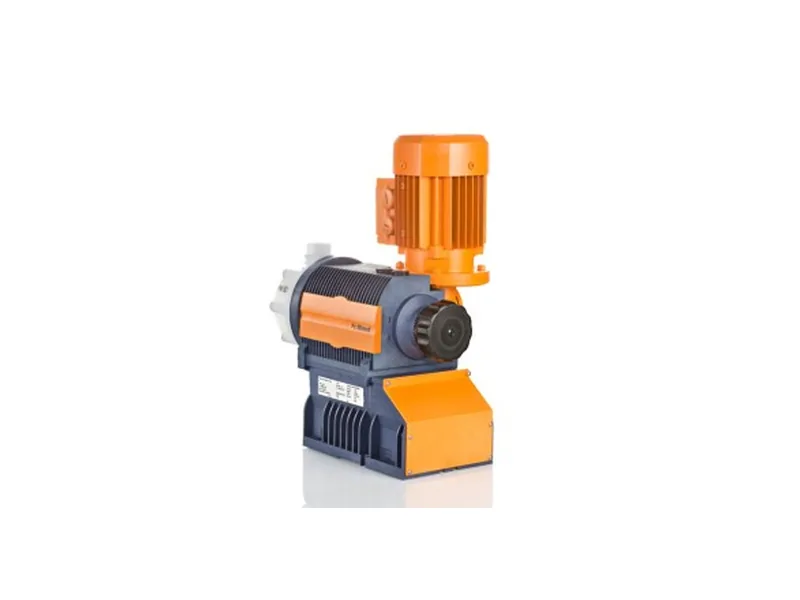
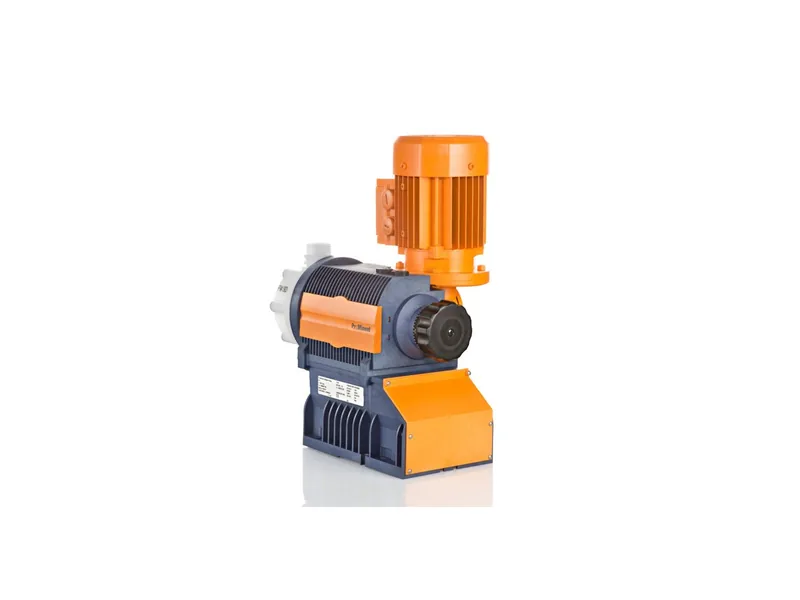
Figure 1: ProMinent Sigma/ 1 basic type motor-driven metering pump. Image source: ProMinent official website
- Pretreatment: grit removal for soil-laden wash water; some starch plants recover protein from steep water first.
- Equalization neutralization: caustic soda or lime slurry to bring acidic water back into the range the anaerobic stage can accept.
- Anaerobic feed alkalinity: maintaining buffer capacity to prevent souring.
- Coagulation and settling or DAF: ahead of the anaerobic stage to remove fiber and fines, or after aerobic treatment for polishing, using PAC and polymer.
- Aerobic nutrients: nitrogen and phosphorus, since carbon is abundant.
Equalization pH control follows the same logic as any online pH control dosing system, and pump setup in the tank is covered in equalization tank metering pumps.
Alkalinity during the crushing season
The most common failure in sugar mill wastewater treatment is anaerobic souring at the start of the campaign. Load rises suddenly, the biomass has not adapted, volatile acids accumulate and pH falls. The practical response is to build up the anaerobic biomass before the season, raise the load in steps once crushing begins, and increase alkalinity dosing ahead of each step.
Lime is cheap but adds calcium that scales reactors and pipes, and it is a slurry that ordinary metering pumps handle poorly. Caustic is easy to meter, though costly at high doses and harsh on sludge if it overshoots locally. Many sugar factories use lime in equalization and caustic or sodium bicarbonate for fine trim at the reactor.
Dose by alkalinity, not by pH alone. The volatile acid to alkalinity ratio in the anaerobic effluent says far more about reactor health than feed pH, so test it daily during the season.
Coagulant dosing
Coagulation serves two purposes here. Upstream of the anaerobic reactor it removes fiber and fines that would otherwise build up as inert solids. Downstream of the aerobic stage it removes residual solids, color and phosphorus. PAC demand depends heavily on water quality; typical PAC dosage ranges explains how to set limits with jar tests, and sugar mill wastewater needs its own tests.
Field details worth noting for sugar mill wastewater and starch plants: starch effluent foams, so provide defoaming in the mixing tank; sugar mill wastewater can be warm during the campaign, so do not keep polymer solution hot for long; and place the coagulant injection close to the mixer rather than in a dead zone.
Pumps and materials
The chemicals used for sugar mill wastewater and starch effluent are caustic, lime slurry, PAC, polymer and nutrients. Continuous, higher-flow caustic and PAC feeds suit motor-driven diaphragm metering pumps such as the ProMinent Sigma/ 1 basic type, described on our ProMinent Sigma/ 1 page. Nutrients are small enough for solenoid pumps. Lime slurry carries solids and should not be pushed through a standard diaphragm metering pump; it needs a dedicated slurry loop.
Choose PVC or PVDF heads for caustic and PAC, and heads with large valves for polymer. More motor-driven models are listed in the mechanical diaphragm pump category.
Common problems with sugar mill wastewater dosing
What operators see most often:
- Equalization pH keeps falling: the water has already fermented because residence time is too long. Shorten it or add mixing rather than just adding caustic.
- Scaling in the anaerobic reactor: too much calcium from lime. Switch the trim dose to caustic or bicarbonate.
- Foam overflowing the mixing tank: typical of starch effluent; add defoamer or sprays.
- Effluent failures early in the season: load raised faster than the biomass can follow.
When making up caustic or opening feed lines, stop the pump, relieve pressure and wear goggles and alkali-resistant gloves.
Conclusion
Neutralize in equalization, feed alkalinity to the anaerobic stage based on alkalinity, coagulate to remove solids and color, and add nutrients from lab data. Treat the crushing season as a planned shock: prepare the biomass, raise load in steps and increase alkalinity early. Use motor-driven diaphragm pumps for caustic and PAC, and a separate slurry system for lime. Share your flow, COD, pH and season length through the contact page and we will review pumps for your sugar mill wastewater plant.
FAQ
Why does starch effluent turn acidic so fast?
Starch and sugars begin fermenting within hours, so keep equalization residence short, mix the tank and neutralize promptly.
Lime or caustic for a sugar factory?
Both work. Lime is cheaper but scales and is hard to meter; caustic is easy to meter but costs more. A combination is common.
What dose does sugar mill wastewater need?
It depends on beet or cane, raw material quality and the stage of the season, so set it by jar test rather than copying another plant's figures.
Can a diaphragm metering pump handle lime slurry?
Generally not. Lime solids wear valves and block lines; a recirculating slurry loop with dedicated feeders is the usual answer.
Is anaerobic treatment always needed?
For strong effluent it usually is. Anaerobic treatment removes most of the COD and produces biogas, cutting aerobic load and energy use.