
Boiler Blowdown and Chemical Dosing: Making Them Work Together
Boiler blowdown and internal chemical treatment are partners. Phosphate and similar chemicals turn residual hardness carried in by the feedwater into soft sludge, and boiler blowdown removes that sludge along with the concentrated dissolved solids. Dose chemicals without enough blowdown and the boiler water keeps concentrating until it scales anyway; blow down without chemicals and hardness bakes straight onto the heating surfaces. This article explains what continuous and bottom blowdown each control and how chemical dosing should follow them.
Continuous blowdown vs bottom blowdown
There are two kinds of boiler blowdown, and they do different jobs:
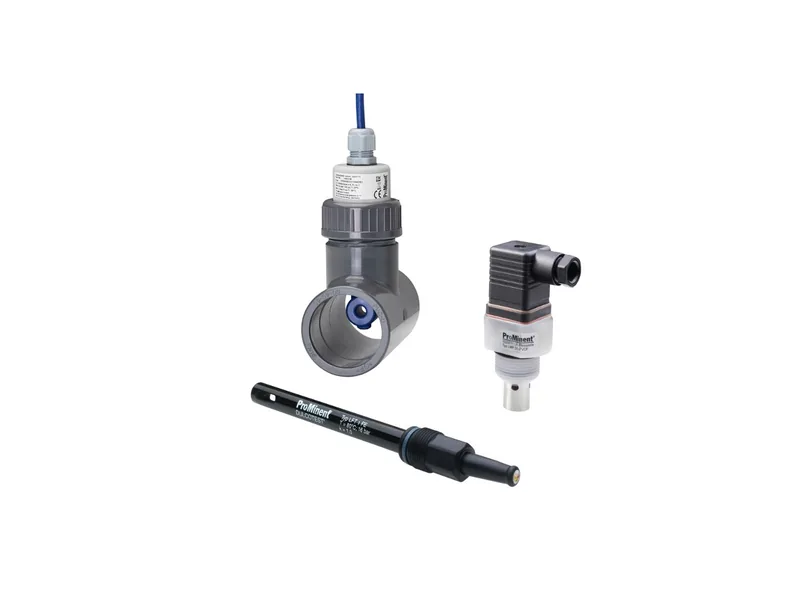
Figure 1: ProMinent conductivity sensor. Image source: ProMinent official website
- Continuous blowdown (surface blowdown) draws a small, steady flow from just below the drum water level, where dissolved solids are highest. It controls total dissolved solids and conductivity, which protects steam purity and prevents carryover.
- Bottom blowdown (intermittent blowdown) opens valves on the lower drum or headers for short, high-flow bursts. It removes sludge that has settled at the bottom.
One cannot replace the other. Continuous blowdown manages concentration; bottom blowdown manages sediment. Many small boilers only do bottom blowdown, and their dissolved solids and steam quality wander as a result.
Setting the boiler blowdown rate
The boiler blowdown rate is the blowdown flow as a share of steam output. Too low, and cycles of concentration climb until the water foams and scales. Too high, and heat, water and chemicals go down the drain.
Three factors set the right rate:
- Feedwater quality, especially dissolved solids and hardness.
- The boiler water limits that apply at the operating pressure.
- Condensate return. More return means less makeup and less blowdown.
In practice the target is boiler water conductivity or dissolved solids, and the continuous blowdown valve is adjusted to hold it rather than left at a fixed opening.
Continuous boiler blowdown and dosing
The link is direct: every liter of boiler blowdown carries chemical with it. When blowdown increases, phosphate and other residuals fall and the dose has to rise; when blowdown decreases, the dose should come down or phosphate overshoots.
So chemical demand cannot be calculated from steam output alone; the blowdown loss must be included. The calculation is covered in boiler dosing amount calculation, and phosphate treatment itself in boiler phosphate dosing.
Keep the chemical feed line away from the continuous blowdown take-off. If chemical enters the drum right next to the blowdown pipe, much of it is lost immediately. Feed lines are usually placed on the opposite side of the drum or distributed along its length.
Timing bottom blowdown around dosing
Bottom boiler blowdown targets sludge, so timing matters. A short, full-open burst usually lifts more sludge than a long, partly open one, and each valve should be operated in turn rather than all at once:
- Schedule it at low load, when sludge settles better and drum level is easier to hold.
- Residual chemical drops after each bottom blowdown, so check phosphate afterward and top up if needed.
- With intermittent chemical feed, do not blow down right after a dose; leave a gap.
Whether to feed continuously or intermittently depends on the boiler, as discussed in continuous vs intermittent boiler dosing.
Automatic TDS control
Medium and large boilers increasingly use automatic continuous blowdown. An online conductivity sensor measures boiler water, and a controller modulates a motorized blowdown valve to hold the setpoint. Boiler blowdown then follows load and water quality automatically, which is steadier than manual valve setting and saves water and heat.
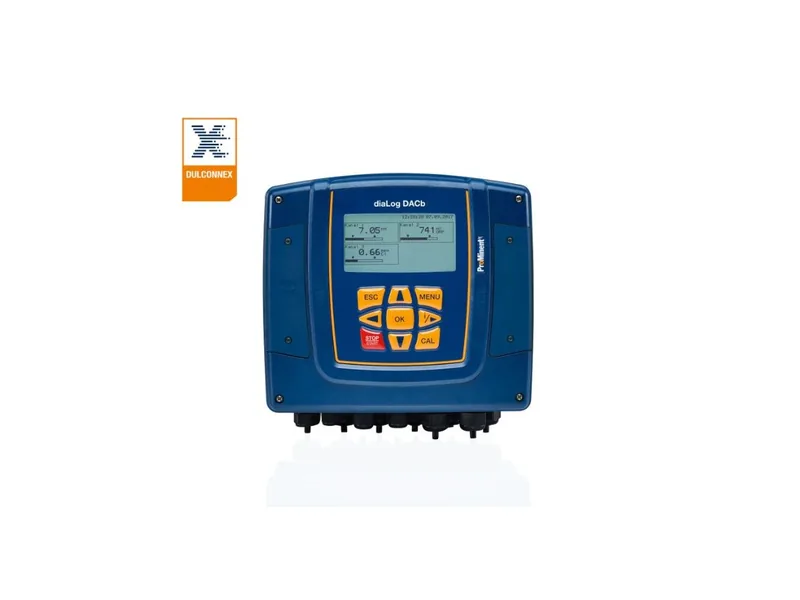
A multi-parameter controller can read conductivity and pH, then drive both the blowdown valve and the dosing pump, for example the ProMinent DULCOMETER Dialog DACb used with a high-temperature conductivity sensor. See the ProMinent brand page and the controller category. Boiler water samples must be cooled first, and the sensor's temperature and pressure ratings must match the sample conditions.
Recovering heat from blowdown
Continuous boiler blowdown carries a lot of heat, and on a large boiler that adds up to a significant heat loss. A flash vessel recovers low-pressure steam for the deaerator, and a heat exchanger can preheat makeup water. Both make a higher blowdown rate less costly, but neither changes the chemistry: the dose still has to cover what leaves with the water.
Common boiler blowdown problems
What operators see most often:
- Boiler water conductivity stays high: continuous blowdown valve opening too small, or scaled and blocked.
- Phosphate swinging up and down: dose not adjusted when blowdown changes, or feed line too close to the blowdown take-off.
- Drum level swings after bottom blowdown: valve opened too fast, held open too long, or used at high load.
- Scale on heating surfaces: insufficient blowdown lets sludge accumulate, or feedwater hardness is out of range.
Boiler blowdown water is hot and under pressure. Open and close blowdown valves slowly according to the operating procedure to avoid water hammer and burns, and inspect the flash vessel and discharge piping regularly.
Conclusion
Boiler blowdown and dosing work as one system. Continuous blowdown controls dissolved solids, bottom blowdown removes sludge, the dose follows the blowdown rate, the feed line stays clear of the blowdown take-off, and bottom blowdown is timed away from chemical additions. Where possible, automate continuous blowdown on conductivity and link it to the dosing pump. Send your boiler pressure, steam output, feedwater quality and current blowdown practice through the contact page and we will review your blowdown control and dosing setup.
FAQ
Can a boiler run with only one type of blowdown?
It is not recommended. Continuous blowdown controls dissolved solids and bottom blowdown removes sludge; most boilers need both.
What boiler blowdown rate is right?
There is no single number. It depends on feedwater quality, pressure and condensate return, so control it to a conductivity target.
Why does phosphate fall when blowdown increases?
Blowdown removes chemical along with the water, so the dose must rise when blowdown rises.
When is the best time for bottom blowdown?
At low load, when sludge settles well and drum level is stable. Check chemical residuals afterward.
Can automatic blowdown be linked to dosing?
Yes. A controller reading conductivity can drive the blowdown valve and the dosing pump together.