
Nitric Acid Metering Pump: Materials, Seals and Safe Design
Specifying a nitric acid metering pump starts with two numbers, not a pump catalog: the acid concentration and the operating temperature. Those decide whether the liquid end, diaphragm, valve balls and seals will survive. Nitric acid is a strong oxidizing acid, and its behavior changes a lot between dilute and concentrated, cold and hot. Stainless steel, plastics and fluoropolymers each work only inside their own window, and 304 or 316 stainless is not a universal answer. This guide is for process engineers and buyers in chemical, plating, surface treatment and water treatment plants.
Three Questions Before You Choose a Nitric Acid Metering Pump
Put these on the inquiry; they are worth more than "one nitric acid metering pump, please":
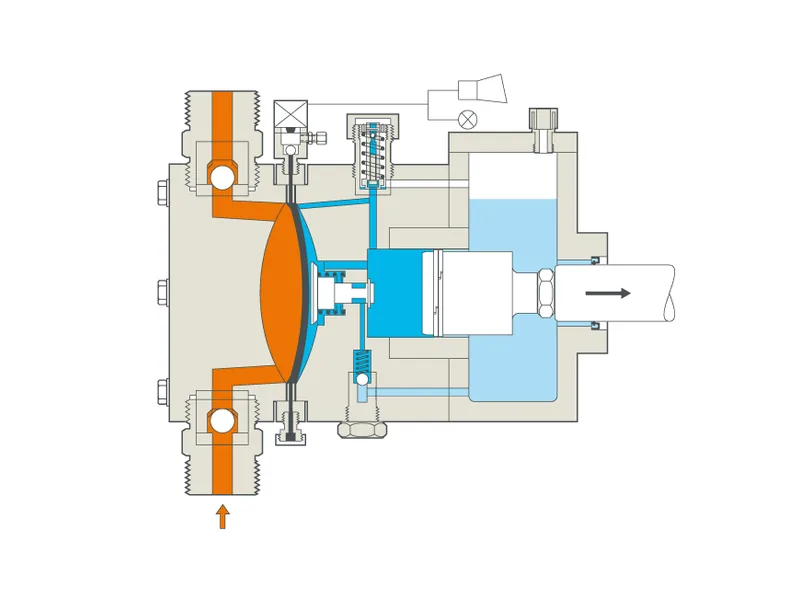
Figure 1: LEWA ecoflow M500 pump head cutaway. Image source: LEWA official website
- Concentration. Dilute, mid-range, concentrated or fuming acid lead to completely different material choices.
- Temperature. Ambient, heated process, or a tank that sits in summer sun.
- Contaminants. Chlorides, hydrofluoric acid or organics all change how materials corrode.
Without all three, any material recommendation is a guess. One more detail matters: if the plant dilutes acid inline, the nitric acid metering pump on the concentrated side and the one on the diluted side may need different materials, even though they sit on the same skid. Treat each nitric acid metering pump as its own duty and specify it separately.
Pump Materials for Nitric Acid: Why 304/316 Is Not Automatic
Nitric acid does not attack metals the way hydrochloric or sulfuric acid does. Because it is oxidizing, stainless steel can form a passive film and perform well over part of the concentration and temperature range, which is why many people assume stainless is always fine. Raise the temperature, move into certain concentration bands or add chlorides, and that film can break down, with corrosion speeding up. Whether a stainless liquid end is acceptable for your nitric acid metering pump must be confirmed against the manufacturer's corrosion data for your exact conditions.
Plastics need the same care:
- PVC has limited resistance to strong oxidizers; be cautious at higher concentration.
- PVDF is a frequent candidate for nitric service, but its concentration and temperature limits still need checking.
- PTFE is chemically inert and common for diaphragm faces and seals; structural parts follow the manufacturer's design.
For a broader comparison, see metering pump material compatibility.
Diaphragms, Valve Balls and Seals
A correct pump head can still fail through small parts. Diaphragms are usually PTFE-faced. Valve balls are often ceramic, PTFE or a resistant alloy, with seats matched to the head material. O-rings are the weak point: many common elastomers do not tolerate oxidizing acids, so use the manufacturer's recommended fluoroelastomer or PTFE-encapsulated seals and confirm the concentration limit. Our pump head and valve ball material guide shows how the parts fit together.
Do not forget accessories. Back pressure valves, relief valves, injection fittings, dampeners and flange gaskets are all wetted too. We regularly see sites where the nitric acid metering pump was checked carefully but the valves came from general stock, and the gasket leaked first.
Choosing the Nitric Acid Metering Pump Type
For low flow at modest pressure, a solenoid or mechanical diaphragm pump works if the wetted materials are right. For high pressure, strong acid or processes where a leak is serious, a hydraulic diaphragm nitric acid metering pump is the safer route, with a double diaphragm and rupture alarm where needed.
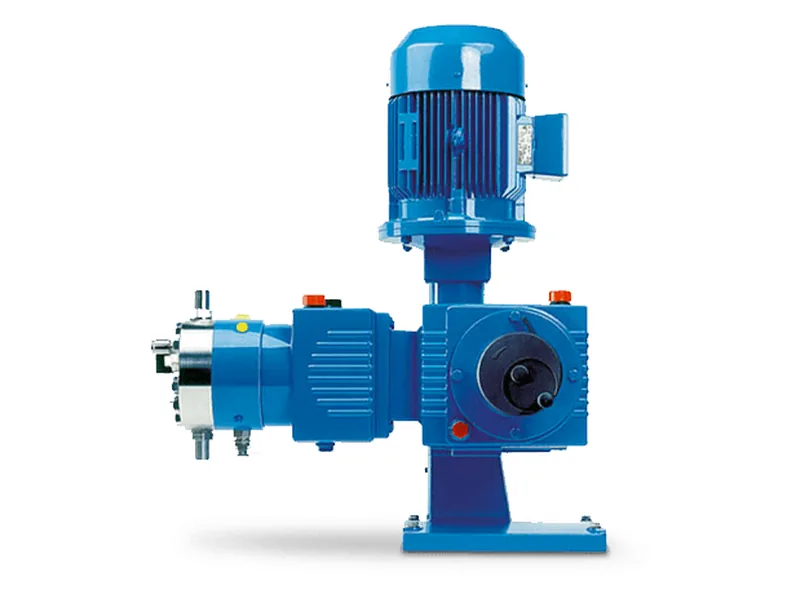
One example is the LEWA ecoflow, a hydraulic diaphragm process metering pump offered with several pump head designs and materials for chemical processing. Its suitability for a given nitric concentration still has to be confirmed by LEWA. See hydraulic diaphragm pump selection for high pressure, browse our hydraulic diaphragm metering pumps, or visit the LEWA brand page.
Off-Gassing and Venting
Concentrated nitric acid decomposes and releases nitrogen oxide gases, more so when warm or exposed to light. Gas in the pump head turns each stroke into compressing a bubble, and the pump stops delivering. That is gas lock. To prevent it:
- Store acid away from light in a ventilated tank, with a vent piped to a safe point.
- Install the nitric acid metering pump with flooded suction and a short suction line sloping toward the pump.
- Use a liquid end with a degassing valve, and route vented gas and liquid back to the tank.
Hydrochloric acid has a similar fuming problem; compare with hydrochloric acid dosing pump selection.
Safety Measures to Design In
Nitric acid causes severe skin and eye injuries and reacts violently with organic material. The dosing area needs:
- Good ventilation, with local extraction if fumes are present.
- Splash guards around the pump head and joints kept away from walkways.
- An eyewash and emergency shower close by.
- Before opening the head: stop the pump, relieve pressure, flush with water, and wear a face shield and acid-resistant gloves.
- No wood, oil, grease or cardboard stored near the acid.
Conclusion
Selecting a nitric acid metering pump follows a clear order: define concentration, temperature and contaminants; verify every wetted material against that duty; choose solenoid, mechanical or hydraulic diaphragm by pressure and risk; then add venting and safety measures. Neither stainless steel nor any single plastic is the default answer. Send us the acid concentration, temperature, flow and pressure and contact our engineers to check materials for your nitric acid metering pump.
FAQ
Can I use a PVC head for dilute nitric acid?
Some manufacturers allow it at low concentration and ambient temperature, but check the exact figures; at higher concentration or temperature it is not advised.
Is 316L suitable for nitric acid?
For part of the concentration and temperature range, yes, but not for every duty, and chlorides increase the risk. Go by the manufacturer's corrosion data.
Why do I keep getting bubbles in the pump head?
Check whether the tank or line is running warm and whether the suction line leaks air, then confirm flooded suction and a degassing valve.
Can I switch a pump from hydrochloric to nitric acid?
Not directly. The two acids need different materials. Flush thoroughly and recheck every wetted part first.
What should I do before a long shutdown?
Drain the pump, flush the head and lines with water and tag it, so residual acid does not sit on the seats and seals.