
Chemical Tank Vent Line: Sizing, Routing and Fume Control
A chemical tank vent is the breathing hole of a dosing system. Every litre the metering pump pulls out has to be replaced by a litre of air, and every litre a transfer pump pushes in has to push a litre of air out. Get the chemical tank vent right and you never think about it again: size it at least as large as the fill line, take it off the highest point of the tank, run it up or level with no low pockets, and end it somewhere safe. For hydrochloric acid, sodium hypochlorite and other fuming chemicals, send the vapour outdoors or into a scrubber. This covers the tank vent, not bleeding air from the pump head.
What goes wrong without a proper chemical tank vent
A blocked or undersized chemical tank vent usually shows up at the pump first. Typical symptoms:
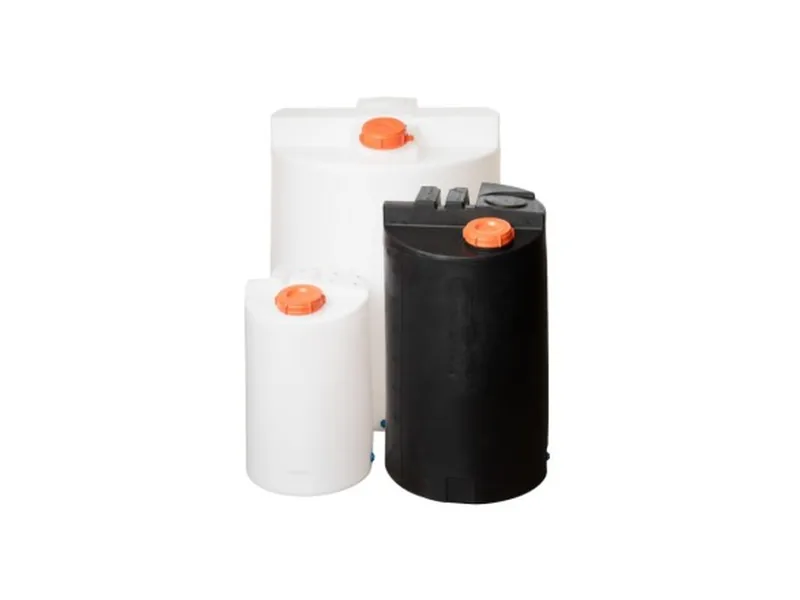
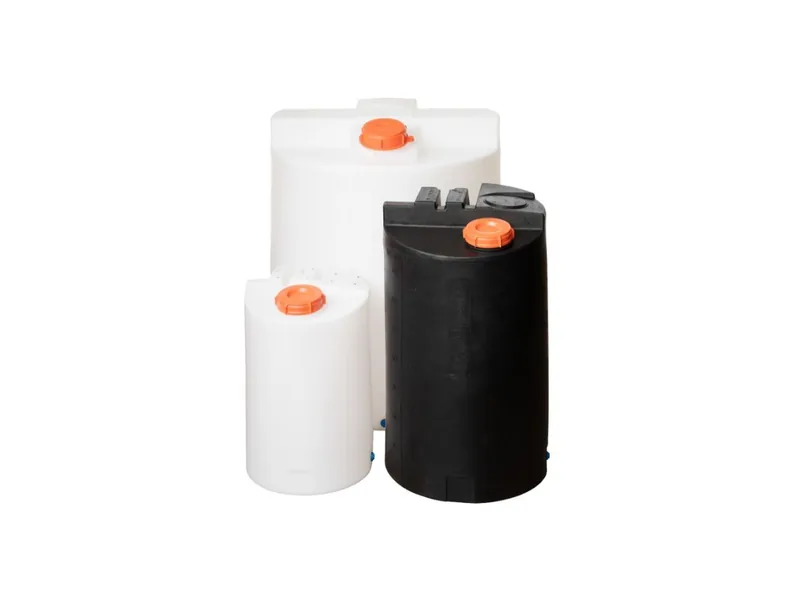
Figure 1: ProMinent PE dosing tanks, natural and black. Image source: ProMinent official website
- Pump output drifts down over a shift, then recovers the moment someone loosens the lid. The tank was pulling a vacuum on the suction side.
- The side wall of a plastic day tank buckles inward, sometimes badly enough to crack.
- During a tanker or drum transfer, the lid lifts and chemical sprays out of the thread.
- Cable trays and steel supports around an HCl tank rust far faster than anywhere else in the room.
Why a tight lid is not the same as a safe tank
Operators often screw the lid down hard and seal off the only opening. ProMinent PE dosing tanks, for example, use a screw cover (a push-on lid on the 35 litre size). That cover keeps dirt and splashes out. It does not turn an atmospheric tank into a pressure vessel. An atmospheric tank needs a dedicated chemical tank vent, separate from the lid.
How to size and route a dosing tank vent line
Make the chemical tank vent at least the same size as the fill connection, and go one size up if you refill with a transfer pump. A drum pump or tanker hose fills far faster than a metering pump empties, so a vent sized only for pump draw-down will pressurise the tank every time you top up.
Routing comes down to two rules:
- Take the vent off the top of the tank and keep it rising or level. Never let it dip and climb again.
- Give horizontal runs a slight fall back towards the tank so condensate and carried-over droplets drain home.
A U-shaped dip in a chemical tank vent fills with condensate in cold weather and becomes a water seal. At that point the vent is effectively blocked. UPVC or PE that matches the chemical is the usual choice; carbon steel has no place on an acid or hypochlorite vent.
Where should the chemical tank vent terminate?
Not over a walkway or above an electrical panel. Indoors, the usual approach is to take the chemical tank vent through the wall and finish outside with a downturned gooseneck and a corrosion-resistant insect screen, which keeps rain and bugs out.
Keep the outlet away from windows and air intakes. Plan the vent outlets together with room ventilation; our guide to chemical dosing room layout and ventilation covers the bigger picture.
Chemical storage tank venting by chemical
Hydrochloric acid: scrub the fumes
Concentrated HCl fumes heavily. An open vent fills the room with a sharp smell. Route the chemical tank vent to an acid fume scrubber, typically a water-seal or packed absorber, and change the absorbing liquid on a schedule. Pump materials and gas locking for this service are covered in our hydrochloric acid metering pump guide.
Sodium hypochlorite: gas and crystals
Hypochlorite slowly decomposes and releases gas, so the chemical tank vent must stay open. White crystals tend to build up around the outlet and can choke it if nobody checks. Light speeds up decomposition, which is why ProMinent offers a black, UV-stabilised PE tank for light-sensitive media.
Hydrogen peroxide: never seal it
Peroxide decomposes into oxygen, so a sealed tank slowly pressurises. Keep the chemical tank vent generous and open, with no water seal.
Sulphuric acid and caustic soda: keep moisture out
Concentrated sulphuric acid pulls water from the air and weakens, so fit a desiccant breather on the chemical tank vent. Caustic soda absorbs carbon dioxide and leaves a white crust around the opening that needs cleaning from time to time.
Can several tanks share one chemical tank vent header?
Never tie acid and hypochlorite vents together. Acid vapour meeting hypochlorite releases chlorine gas, and the shared outlet becomes a chlorine source. Acid and caustic vents should also stay apart, because they react and plug the header with salt.
Tanks holding the same chemical can share an adequately sized header. Keep the vent and overflow separate too. The overflow carries liquid and the vent carries air; combine them and the first overfill shoots chemical out of the vent. See how to connect make-up water, suction, overflow and drain on a dosing tank for how the other tank connections fit together.
Checking the vent after installation
Run the pump at full stroke for a while and confirm the output is steady and the tank wall is not pulling in. Then refill at the normal rate and listen at the outlet: a loud whistle means the vent is too small.
On routine rounds, check each chemical tank vent for crushing, a crystal-caked screen and spent scrubber liquid. Stop the pump and wear goggles and acid-resistant gloves before opening a vent line; residual chemical is common. Packaged chemical dosing skids usually leave the factory with a vent port ready, and the same routing rules apply when you extend it. Tank and pump options are listed on our ProMinent product page.
Conclusion
A chemical tank vent is a small pipe that causes big problems when it is wrong: falling pump output, collapsed tanks and fumes in the room. Give it its own connection, size it no smaller than the fill line, run it upward with no low points and end it outdoors in a safe spot. Scrub HCl, keep peroxide wide open, dry the air going into sulphuric acid and keep acid and hypochlorite vents apart. Send us your tank size, chemical and room layout and contact our engineers to check the design.
FAQ
Can the vent just be a hole in the tank lid?
Yes, on small tanks. For fuming chemicals the opening still needs a pipe that carries vapour away from the room.
Should a vent line have a valve on it?
Usually not. Sooner or later someone closes it, and the tank is sealed again.
Does an outdoor tank still need a vent pipe?
Yes. It still breathes in and out, so fit a downturned outlet to keep rain out.
How often should scrubber liquid be changed?
It depends on usage and how strongly the chemical fumes. Change it when the smell gets stronger or the colour shifts, and treat the spent liquid as acidic waste.
What is the difference between a tank breather valve and an open vent?
A breather valve stays shut until a set pressure difference opens it, which cuts evaporation and moisture pick-up. Size it for both fill and draw-down flow, and keep the opening pressure within what the tank can handle.