
Dissolved Oxygen Sensor Maintenance: Cleaning and Calibration Intervals
Good dissolved oxygen sensor maintenance comes down to two habits: keep the measuring surface clean, and check the reading against a known reference before you trust it again. Optical (luminescent) probes mostly need cleaning and a sensor cap swap at the end of its life. Membrane probes also need new membranes and fresh electrolyte. Calibration is usually a single air-saturation point, with a zero check only where you run at very low DO. The right interval depends on your water, not on a fixed date in the manual. This dissolved oxygen sensor maintenance guide is written for wastewater operators and the instrument techs who look after aeration basin probes.
If you are still choosing between technologies, start with our comparison of optical vs membrane dissolved oxygen sensors. Here we only cover what happens after the probe is in the basin.
Optical vs membrane: how dissolved oxygen sensor maintenance differs
An optical DO sensor has a cap coated with a luminescent dye. The sensor flashes light at the dye, oxygen in the water quenches the glow, and the instrument works out DO from how fast the luminescence decays. Nothing is consumed, so the reading barely depends on flow, and routine work is mostly wiping the cap. The dye does age, so the cap is a consumable you replace when its rated life is up or when readings start to drift.
A membrane DO probe (polarographic or galvanic) is the older design. Oxygen diffuses through a thin membrane and gets reduced at a cathode, producing a current. That reaction slowly uses up the electrolyte, and a fouled, wrinkled or torn membrane throws the reading off straight away. So dissolved oxygen sensor maintenance on a membrane probe adds membrane changes, electrolyte refills and a polarization wait before every calibration.
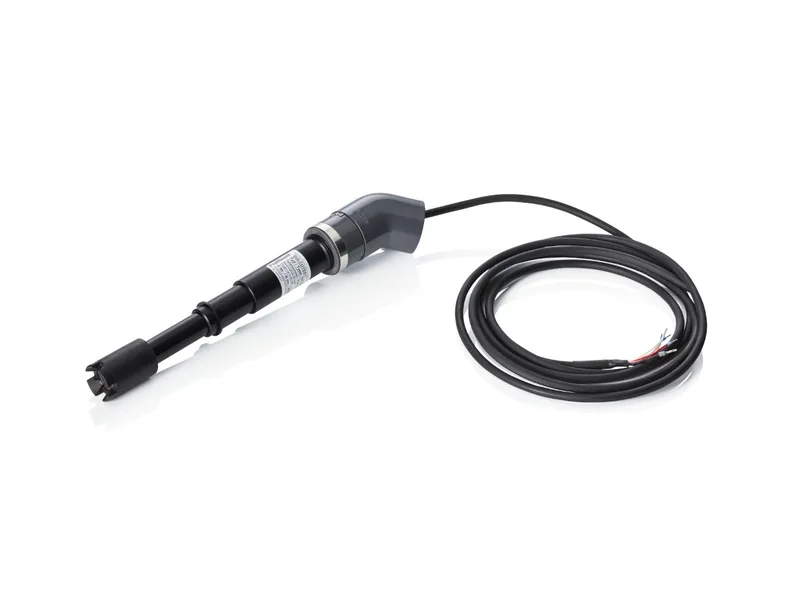
A practical example is the ProMinent DULCOTEST DO 3 optical dissolved oxygen sensor. ProMinent states that its factory calibration stays stable for a long time and that recalibration is normally only needed after the sensor cap is replaced, either in atmospheric air or against a reference measurement in the process water. The same documentation warns that oxidants such as chlorine, chlorine dioxide and ozone interfere with the measurement, which matters if the probe sits near a disinfection point.
DO probe cleaning: manual, air blast or water jet
In an aeration basin, most dissolved oxygen sensor maintenance time goes into biofilm and rags. Fibers wrap around the probe, a slime layer grows over the cap, and the reading creeps low while the response gets sluggish.
Manual cleaning. Pull the probe, rinse it with clean water and wipe the face with a soft cloth or soft brush. Never use abrasive pads, sandpaper or solvents on a membrane or sensor cap. Greasy deposits come off with a mild detergent; light scale can take a short soak in very dilute acid followed by a thorough rinse.
Air blast cleaning. A nozzle at the probe tip blows compressed air on a timer. It works well on biofilm, but the reading jumps during the blast, so the controller must hold its output during the clean cycle or the blowers will chase a fake number.
Water jet cleaning. Pressurized water suits inlet channels with grease and scum. Allow a settling period afterwards before control resumes. Automatic cleaning stretches the manual dissolved oxygen sensor maintenance interval, yet it will not remove hard scale or rags, so someone still has to look at the probe.
Calibration as part of dissolved oxygen sensor maintenance
Air-saturation calibration is the everyday method. Lift the probe out, dry the face, hang it in moist air out of sun and wind, and accept the value only once the reading has stopped moving. Three things ruin it: water droplets on the sensing face, direct sunlight warming the probe, and a wrong barometric pressure or altitude setting in the transmitter.
A zero check uses oxygen-free solution, typically freshly made sodium sulfite. Aeration control rarely needs it, but at low DO, for example after a deaerator where an oxygen scavenger is dosed, a bad zero produces a large relative error.
Comparison calibration against a freshly calibrated portable meter at the same spot is useful when the probe is hard to remove. The same approach is covered in our guide to online analyzer calibration and electrode maintenance.
Setting a dissolved oxygen sensor maintenance schedule from your own data
Fixed intervals copied from a manual tend to be wrong in both directions: one basin fouls a probe in a week, another stays clean for months. A better way to build a dissolved oxygen sensor maintenance plan is to start short and stretch it:
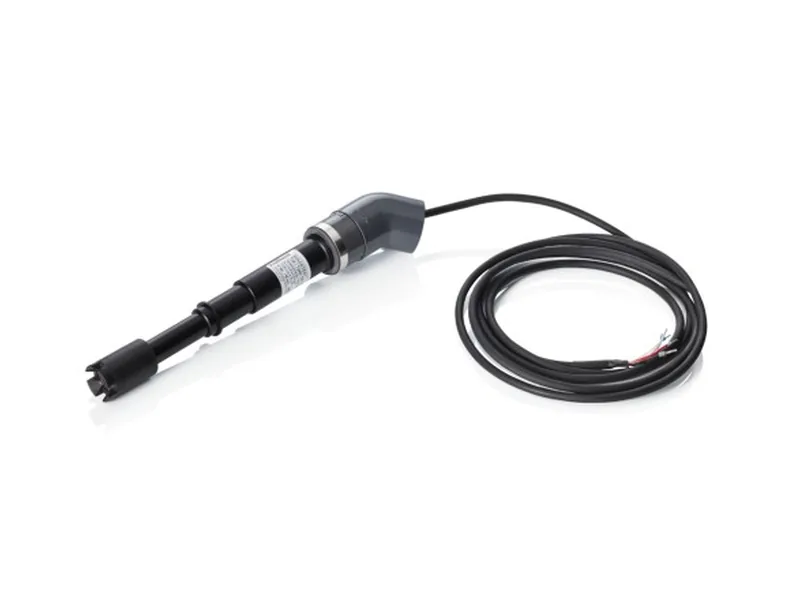
Figure 1: ProMinent DULCOTEST DO 3 dissolved oxygen sensor. Image source: ProMinent official website
- For the first month, inspect weekly and log how dirty the probe is and the reading before and after cleaning.
- If the before/after difference is small, lengthen the interval. If it is large, shorten it or add automatic cleaning.
- Log every calibration offset. A steadily growing offset tells you the cap or membrane is near the end of its life.
When readings go wrong: protecting dosing pumps and blowers
In most plants the DO signal drives the blowers, as described in our article on aeration basin DO control. Some processes also tie it to chemical feed, such as carbon source dosing for denitrification or oxygen scavenger dosing on boiler feedwater. A drifting probe then means the metering pump doses the wrong amount too, which is why dissolved oxygen sensor maintenance belongs in the dosing plan, not only the instrument plan.
Put the loop in manual or hold during cleaning and calibration, and alarm on readings that freeze or jump to either end of the range. A pump running at a fixed safe rate is better than a pump following a bad signal. The classic mistake is fitting a new cap or membrane and putting the probe back in service without calibrating it.
Conclusion
Dissolved oxygen sensor maintenance is mostly about cleaning, with calibration as the check: keep optical caps clean and replace them on schedule, look after membranes and electrolyte on older probes, calibrate in air and add a zero check for low-DO duty, and set intervals from your own logs. You can browse sensors and controllers in our water quality instruments range or see ProMinent measuring and dosing equipment. Send us your water type, mounting method and the dosing loop the signal feeds, and contact our engineers to check the setup.
FAQ
Does dissolved oxygen sensor maintenance include replacing the optical cap?
Yes. Follow the manufacturer's rated life, then confirm with your calibration log. Replace it early if offsets keep growing or the cap is scratched or faded, and recalibrate after every change.
Why is my membrane DO probe unstable after a membrane change?
In most cases the probe has not finished polarizing or there is a bubble under the membrane. Fill the electrolyte completely, fit the membrane without wrinkles, and wait for a stable signal before calibrating.
Why does air calibration keep failing?
Check for droplets and dirt on the face, then temperature stability and the pressure setting. If all of those are fine, the cap or the membrane and electrolyte are worn out.
Does automatic air cleaning disturb DO control?
Yes, during the blast. Set a clean-cycle hold so the output freezes, then release control once the reading settles.
Is dissolved oxygen sensor maintenance different in chlorinated water?
The routine is the same, but location matters more. Oxidants interfere with optical measurement, so mount the probe upstream of chlorine dosing or confirm the allowed residual with the supplier.