
Water Storage Tank Disinfection: UV, Ozone or Chlorine Dosing?
Water storage tank disinfection has one real goal: water that leaves a building's break tank or roof tank should still carry a measurable chlorine residual when it reaches the last tap. Municipal water arrives disinfected, but it sits in the tank, gets pumped up through long risers, and the residual decays along the way. A UV or ozone unit circulating the tank helps, yet in most buildings reliable water storage tank disinfection means topping up chlorine on the outlet main, paced to flow. This guide is written for facility managers, booster station operators and the engineers who specify their dosing equipment.
Why water storage tank disinfection fails
Tanks are sized for peak demand. At night, on weekends and in half-empty buildings, water can sit for a long time, and free chlorine fades with every hour of storage and every degree of temperature rise. Once the residual is gone, bacteria in sediment and biofilm on the tank wall start to grow.
The site causes are easy to spot: loose access hatches, vent and overflow pipes without insect screens, aging internal coatings that develop a slimy film, and pump rooms in basements that flood during heavy rain. Low residual combined with long retention is the classic recipe for failed tap samples. Tank cleaning resets the clock, but day-to-day water storage tank disinfection is what keeps results stable.
Water storage tank disinfection options
UV and ozone circulation units
A side-stream unit pulls water out of the tank with a small pump, passes it through a UV reactor or an ozone contact device, and returns it. UV is fast and leaves no taste, but it only treats water at the moment it passes the lamp; once the water leaves the reactor there is no residual effect, and a fouled quartz sleeve cuts the dose sharply. Ozone is a strong oxidant but decays quickly, so it also leaves no lasting residual, and it brings ventilation and off-gas requirements that small plant rooms often cannot meet.
Chlorine dosing for building water tanks
Injecting sodium hypochlorite into the outlet main restores the residual and keeps protecting the water all the way to the top floor. The trade-off is chemical handling: hypochlorite loses strength in storage, faster in summer, and the gas it releases can air-lock a pump head.
Water storage tank disinfection: UV or chlorine?
Measure free chlorine at a few far-end taps first, then estimate how long water sits in the tank.
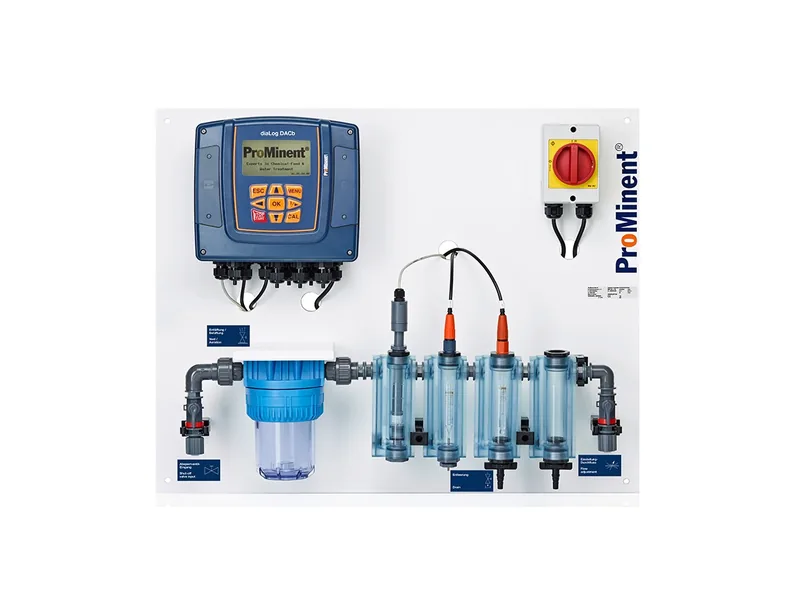
Figure 1: ProMinent DULCOTROL drinking water panel. Image source: ProMinent official website
- Far-end residual is mostly fine and the worry is growth inside the tank: a UV circulation unit is usually enough. Replace lamps and clean sleeves on schedule.
- Far-end residual is often low, the building is tall or the network is long: add chlorine dosing and treat UV as a support.
- Oversized tanks in older buildings: use both, and lower the working level to shorten retention.
Water storage tank disinfection that relies on a UV unit alone, with no chlorine top-up, is behind a lot of inconsistent results in older buildings. Health inspectors sample the tap, not the water that just passed the lamp.
Flow-paced dosing for water storage tank disinfection
Outlet flow swings widely between day and night. A pump running at a constant rate overdoses at night, which brings chlorine taste complaints, and underdoses at peak. The fix is a magnetic flowmeter or a pulse-output water meter on the outlet main, wired to the dosing pump so its stroke rate follows flow.
Inject downstream of the booster pumps so there is enough pipe for mixing. Wire the booster run signal into the dosing pump's external input as well. When the booster set stops, dosing stops, and chemical does not pile up in a short dead section of pipe.
Residual chlorine control and monitoring
Incoming residual drifts too, so add an online chlorine analyzer on the outlet to trim the dose and alarm on low readings. Our guide to online residual chlorine monitoring covers sensor installation and calibration, and if you also want pH and turbidity in one place, see where a multi-parameter water quality analyzer fits.
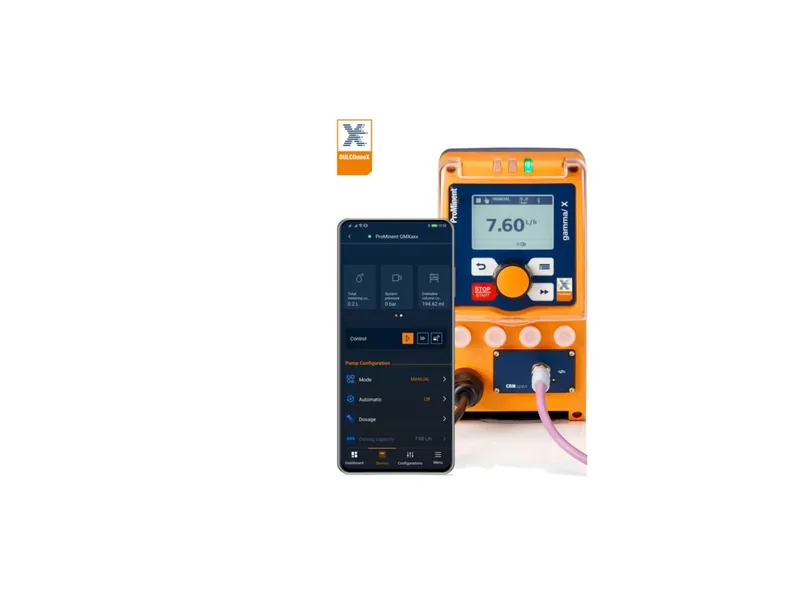
A common water storage tank disinfection package pairs a ProMinent DULCOTROL drinking water panel, which mounts the chlorine and pH sensors with a controller on one board, with a ProMinent gamma/X solenoid metering pump for the hypochlorite feed. The same layout works well for a residential booster station.
Choosing a small solenoid dosing pump
Doses for water storage tank disinfection are small, so a solenoid metering pump is normally the right class. Pick a head with a degassing or air-vent valve so hypochlorite off-gas can escape. Typical mistakes we see on site:
- Oversized pumps running at very short stroke length, which hurts accuracy. Size from the maximum outlet flow with a sensible margin.
- Long suction lines and drums left in direct sun. Hypochlorite breaks down faster and the pump air-locks. Keep drums shaded and the pump close to them.
- No injection valve at the main. When the boosters stop, water backs into the dosing line and the next start delivers diluted chemical.
- Buying months of hypochlorite at once. The product weakens and the real dose drops. Buy smaller lots more often.
Wear goggles and chemical-resistant gloves when handling hypochlorite, and stop the pump, isolate and relieve pressure before opening a pump head. For a compact setup that is close to a booster station, see small water system chlorination.
Conclusion
Water storage tank disinfection succeeds when the last tap still shows a proper residual. UV and ozone units control growth inside the tank but leave nothing behind; flow-paced hypochlorite dosing with an online chlorine analyzer is what holds water quality at the far end of the building. For an existing station, check far-end residual and retention time first, then decide on UV, chlorine or both. Send us the outlet flow range, line pressure and hypochlorite strength, and contact our engineers to size the pump and control method.
FAQ
Can I use chlorine tablets for water storage tank disinfection?
For a small tank with no power, as a temporary fix, yes. Dissolution rate is hard to control, so residual swings. Where power is available, liquid hypochlorite with a metering pump is more predictable.
Does water storage tank disinfection replace tank cleaning?
No. UV and chlorine do nothing about sediment on the floor or biofilm on the walls. Clean and disinfect the tank at the interval your local health rules require.
Will chlorine dosing cause taste complaints?
Only when it overdoses. Flow pacing plus an online analyzer keeps the residual in range. Constant-rate dosing at night is the usual culprit.
How often should UV lamps be replaced?
Follow the manufacturer's rated lamp life and check the quartz sleeve at every service. A dirty sleeve blocks the dose even with a new lamp.
Can the dosing pump share the booster pump control panel?
Yes. A common approach is to feed the dosing pump from the booster panel and interlock it with the booster run signal. Keep signal cables separate from power wiring to avoid interference.