
Sodium Bisulfite Dosing for RO: Dechlorination and ORP Control
Sodium bisulfite dosing has one job in a reverse osmosis plant: remove free chlorine before the feed water reaches the membranes. Inject it upstream of the cartridge filter, keep the solution fresh in a closed tank, and let an ORP sensor or chlorine analyzer tell the pump when to speed up. This guide is written for RO operators and for engineers laying out pretreatment skids.
Why RO membranes need dechlorination
Most municipal and surface water arrives with chlorine residual from upstream disinfection. Thin-film polyamide membranes do not tolerate oxidants. Exposure is cumulative, so a small residual that slips through every day slowly damages the rejection layer. The first sign is usually permeate conductivity creeping up week after week, and by then the damage is not reversible.
Activated carbon filters also remove chlorine, but carbon beds break through over time and can grow bacteria. Many plants therefore run carbon and sodium bisulfite dosing together, or replace the carbon bed with chemical dechlorination entirely. The target is simple: chlorine at the membrane inlet should stay below detection.
How much SBS do you need?
The reaction is stoichiometric. As a rule of thumb, removing 1 mg/L of free chlorine takes roughly 1.5 mg/L of sodium bisulfite in theory. In practice plants usually dose above the theoretical figure, because the solution loses strength in storage and inlet chlorine fluctuates. The final sodium bisulfite dosing rate is typically tuned during commissioning from ORP and residual readings.
Mixing SBS so it stays active
Most sites buy sodium metabisulfite powder, which forms sodium bisulfite when dissolved. The catch is oxygen. In contact with air, bisulfite oxidizes to sulfate and loses its reducing power. We have seen open tanks left for a week where the pump kept running, the stroke counter looked fine, and chlorine still showed up at the membrane. The chemical had simply gone flat, and the sodium bisulfite dosing system was pumping water with very little reducing power left.
Good practice for sodium bisulfite dosing tanks:
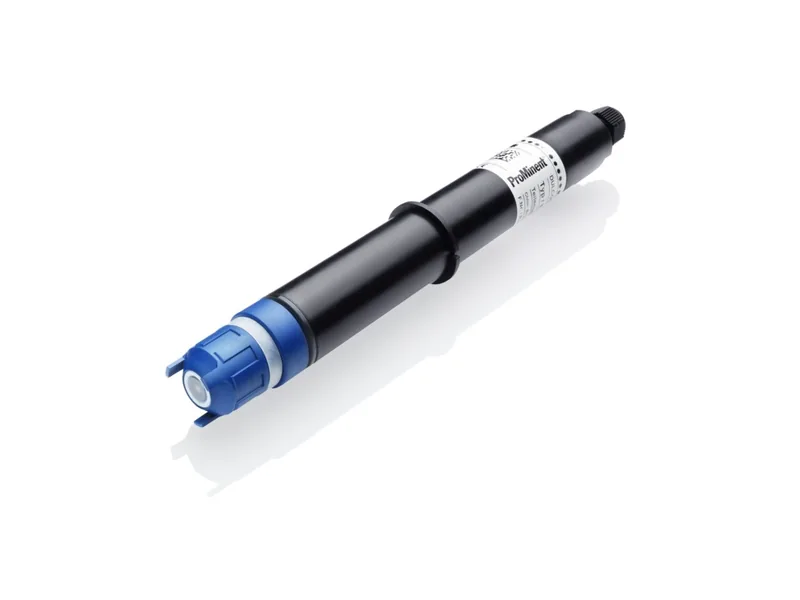
Figure 1: ProMinent free chlorine sensor. Image source: ProMinent official website
- Mix only what you will use in a few days.
- Keep a tight lid on the tank and a small vent.
- Avoid very weak solutions, which oxidize faster.
- Keep the tank out of direct sun and heat.
Dissolving metabisulfite releases sulfur dioxide odor. Wear goggles and gloves, and ventilate the chemical room.
Where to put the SBS injection point
The usual SBS injection point is upstream of the cartridge filter, close to it. The pipe run and the filter housing give the chemical time to mix and react before water reaches the pressure vessels. Do not start sodium bisulfite dosing ahead of the multimedia filter; chlorine demand in the media is unpredictable and you lose the disinfection benefit upstream.
Use an injection valve with a check valve and a quill that reaches the middle of the pipe. If antiscalant is also injected before the cartridge filter, separate the two points rather than sharing a tee. Our guide to low-flow antiscalant dosing for RO covers that side of the skid.
ORP monitoring and pump control
The most common control scheme for sodium bisulfite dosing is flow pacing with ORP trim. The pump's base stroke rate follows feed flow, and an ORP probe installed downstream of the injection point, before the membranes, adds or removes chemical as readings move.
ORP responds fast, but it measures oxidizing tendency rather than chlorine concentration. Our comparison of ORP vs residual chlorine explains the difference. Many plants add a chlorine analyzer as a second check and interlock it to trip the high-pressure pump on high residual. If that analyzer drifts, see chlorine analyzer troubleshooting. Setpoints generally come from the membrane supplier and commissioning data; for tuning tips read ORP controlled dosing.
Startup and flush sequencing
Start the sodium bisulfite dosing pump before the high-pressure pump, and only ramp up once inlet ORP has dropped into range. If the flush cycle uses chlorinated raw water, keep dosing during the flush too. A common gap is a pump interlocked only to the high-pressure pump, so it stops during flushing and chlorine walks straight into the vessels.
Overdosing has a cost as well
Excess bisulfite scavenges dissolved oxygen. An anoxic membrane surface encourages sulfate-reducing bacteria and other anaerobic growth, which shows up as biofouling. Do not run the pump wide open for safety. Alarm on low ORP as well as high.
Sizing the pump for sodium bisulfite dosing
Work out the chemical demand at maximum feed flow and the highest chlorine you expect, then divide by your solution strength. That gives the pump flow you need. Pick a pump that covers this figure somewhere in the middle of its range, not at the very top, because sodium bisulfite dosing often has to step up when the upstream chlorinator overshoots. At the low end, check that the pump still strokes often enough to keep the feed smooth; a few strokes per minute into a large pipe leaves gaps of untreated water.
Choosing a pump for sodium bisulfite dosing
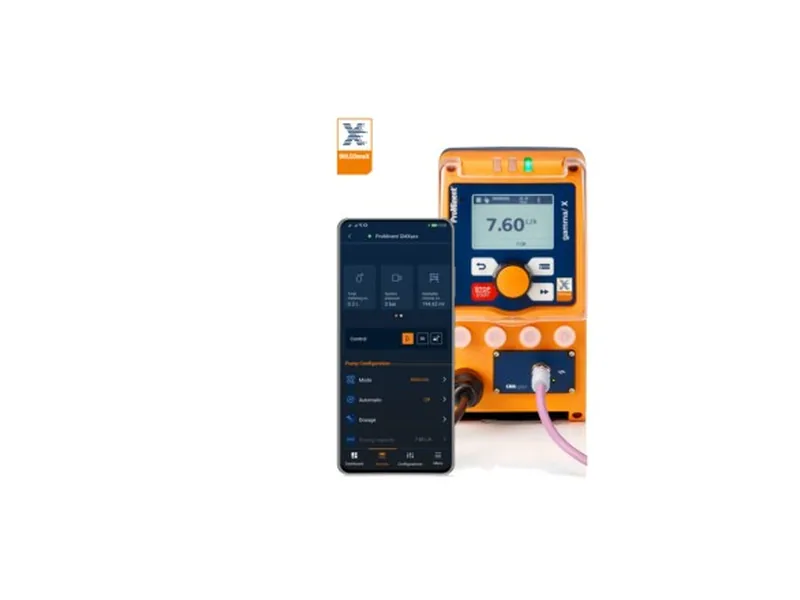
Flows are usually small, so a solenoid metering pump with a PVC or PVDF liquid end is typical. The ProMinent gamma/X solenoid metering pump is one example; depending on the version ordered it can follow an external pulse or analog signal, which suits flow pacing plus ORP trim. Keep suction lift short, mount the pump below the tank level where possible, and fit a back pressure valve so the line cannot siphon. Browse our solenoid metering pumps for options.
Conclusion
Reliable sodium bisulfite dosing comes down to three habits. Mix SBS in small batches and keep the tank sealed. Inject upstream of the cartridge filter. Control the pump from flow plus ORP, and interlock a chlorine analyzer to protect the membranes. Send us your feed flow, chlorine range and control method, and contact our engineers to size the pump and sensors.
FAQ
How long does mixed sodium bisulfite last?
Plan to use it within a few days. Open tanks lose strength faster, so watch ORP rather than the calendar.
Can I use sodium thiosulfate instead?
It removes chlorine, but dose and by-products differ. Check with your membrane supplier before switching.
Do I still need SBS if I have a carbon filter?
Usually yes. It is the backup when the carbon bed breaks through, and it can run at a low rate.
ORP keeps reading low. Am I overdosing?
Most likely. Reduce the stroke rate first, then check whether the probe is fouled or needs calibration.
Can SBS and antiscalant share one tank?
It is not recommended. Doses and concentrations differ, and separate tanks let you adjust each one.