
Sludge Conditioning Chemicals: Lime and Ferric Chloride Dosing
Sludge conditioning chemicals exist for one reason: to make sludge press well. Waste activated and chemical sludges are fine, negatively charged and full of water. Fed straight into a plate and frame filter press, they blind the cloth and leave a wet, sticky cake. The classic inorganic pairing ahead of a press is ferric chloride plus lime. Ferric coagulates the particles first, lime then builds a rigid cake structure so water can escape. Dose ferric before lime, and size both by dry solids. This guide is for sludge handling operators and engineers planning a dewatering retrofit.
How lime and ferric work as sludge conditioning chemicals
Ferric chloride hydrolyzes in water into positively charged iron hydroxo species. These neutralize the negative surface charge on sludge particles, so fines clump into larger flocs and the specific resistance to filtration drops.
Lime does a different job. It raises pH, reacts with ferric to precipitate ferric hydroxide, and forms harder particles such as calcium carbonate that act as a skeleton in the cake. Under press pressure the pores stay open instead of collapsing. Lime also helps with pathogen reduction and odor, which some plants value.
Used together, these sludge conditioning chemicals usually give a drier cake that releases cleanly from the cloth, and cloth washing intervals get longer. The trade-off: the chemicals themselves become solids, so haul-off tonnage rises.
Dosing order for sludge conditioning chemicals
The widely used sequence is ferric first, lime second:
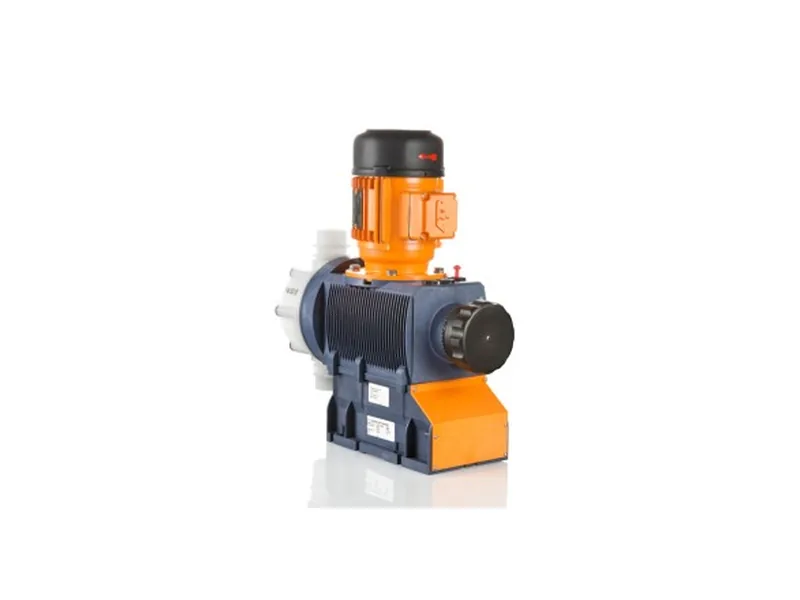
Figure 1: ProMinent Sigma/3 basic type motor-driven metering pump. Image source: ProMinent official website
- Add ferric to the conditioning tank or feed line and mix well so coagulation finishes.
- Add lime to raise pH and form the skeleton particles.
- Give the conditioned sludge some residence time before it reaches the press.
Reverse the order and the high pH precipitates ferric immediately, before it can neutralize charge, and conditioning suffers. Mixer intensity matters too. Too gentle and the chemicals stay unmixed; too hard and the new flocs break apart.
How much sludge conditioning chemicals to dose
Doses for sludge conditioning chemicals are normally expressed as a percentage of dry solids, not sludge volume. Two loads of the same volume can need very different amounts if their solids content differs.
A practical approach:
- Measure feed solids and sludge flow to get dry solids per hour.
- Use jar or bench tests to set ferric and lime as a percentage of dry solids.
- Convert to pump flow using solution strength.
When feed solids swing, the effective dose swings with them. Pacing the ferric pump from sludge flow is steadier than a fixed rate. Our dosing rate calculation article walks through the conversion.
Ferric chloride dosing: materials and corrosion
Ferric chloride solution is acidic and high in chloride, and it attacks stainless steel hard. Even 316 heads and balls fail. A typical ferric chloride dosing setup uses:
- PVDF or PVC pump heads, ceramic or glass balls, PTFE seals.
- UPVC or PE pipework and plastic or lined valves.
- PE or FRP storage tanks inside a bunded area.
- Coated steel supports, because drips stain and rust bare metal fast.
Ferric also scales valve seats, so flush the head and lines before a long stop. Before removing a pump head, close valves, relieve pressure and wear acid-resistant gloves and a face shield. See our wetted material selection guide for compatibility.
Lime in the conditioning step
Lime is usually fed as milk of lime, which settles, scales and plugs lines. That slurry system is its own design topic, so here are only the conditioning points:
- Inject lime downstream of ferric, far enough that ferric is mixed first.
- If slurry strength drifts, the pump setting looks constant while the actual lime reaching the sludge changes, and cake dryness wanders.
- Pick pump valves suited to suspended solids.
A common field mistake
Operators often chase a wet cake by adding more lime. If ferric is underdosed or poorly mixed, extra lime only adds mass. Check the ferric side of your sludge conditioning chemicals first: confirm pump calibration, solution strength and mixer operation, then adjust lime. A quick calibration column test on the ferric pump settles most arguments about whether the dose is really what the panel says.
Polymer versus inorganic sludge conditioning chemicals
Polymer (polyacrylamide) is used at low doses and adds almost no solids, which is why belt presses and centrifuges rely on it. Inorganic conditioning adds mass but, on a plate and frame press, often reaches a lower cake moisture. Some plants dose inorganic chemicals and then a small polymer trim. The choice depends on the dewatering machine, cake destination and disposal rules. Typical polymer ranges are in our polymer dosage guide, and feed line injection is discussed in filter press polymer dosing.
Choosing pumps for sludge conditioning chemicals
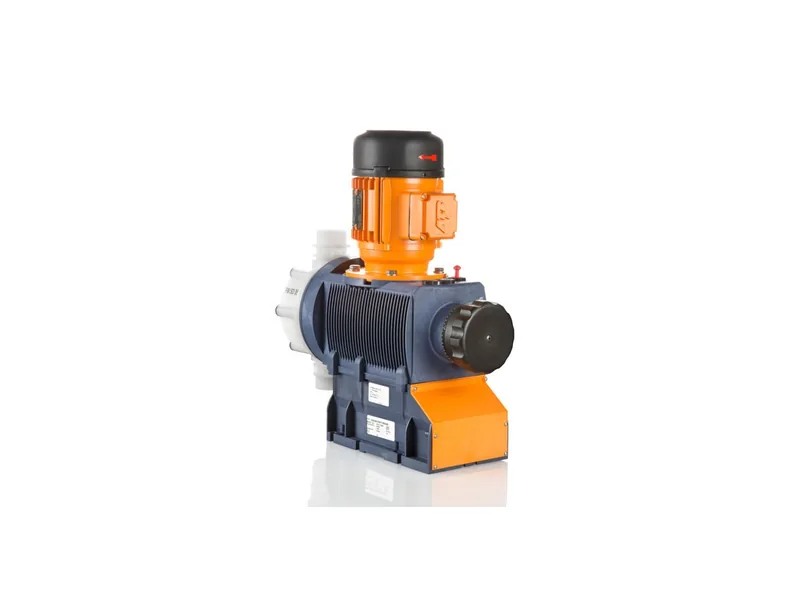
Ferric feed is often the biggest of the sludge conditioning chemicals by volume, it runs continuously, which suits motor-driven mechanical diaphragm pumps. One example is the ProMinent Sigma/3 basic type motor-driven metering pump. ProMinent lists it at 146 to 1,030 L/h, with a PVDF liquid end option, a multi-layer safety diaphragm with rupture indication and an integrated relief valve. Browse our mechanical diaphragm metering pumps for more options.
Size the pump for maximum dry solids at the highest test dose with margin, and install duty plus standby so the press is not stopped by pump maintenance.
Conclusion
Lime and ferric remain the go-to sludge conditioning chemicals for plate and frame presses. Dose ferric first to coagulate, then lime to build structure; set both by dry solids and confirm with bench tests; use PVDF or PVC heads for ferric, never stainless; and keep lime injection downstream. Send us sludge flow, solids content and press type, and contact our engineers to size the dosing pumps.
FAQ
Can lime and ferric go in at the same point?
Not recommended. Lime precipitates ferric before it neutralizes charge. Ferric first, lime second works better.
Can I use a stainless steel head for ferric chloride?
No. The acid and chloride corrode 316. Use PVDF or PVC.
What are sludge conditioning chemicals dosed against?
A percentage of dry solids, converted to pump flow with sludge flow and solution strength, then checked by bench tests.
Why did my cake tonnage go up?
Inorganic chemicals become part of the cake. More haul-off is the cost of that approach.
Can a belt press use lime and ferric?
It can, but belt presses and centrifuges usually use polymer. Lime and ferric are more common on plate and frame presses.