
Pond Algae Control: Algaecide and Flocculant Dosing for Water Features
Pond algae control works best when you treat three things at once: an algaecide knocks back the bloom, a flocculant such as PAC clears suspended matter, and a phosphate binder cuts off the nutrients that feed the next bloom. Decorative lakes, residential ponds and hotel fountains are shallow, slow-moving and sunny, which is exactly what algae like. This guide is for facility managers, grounds maintenance contractors and water feature installers who need a dosing setup that keeps the water clear without hurting fish or plants.
Why decorative water keeps turning green
Algae need light, warmth, nitrogen and phosphorus, plus water that barely moves. Ornamental lakes are often topped up with tap water, rainwater or reclaimed water, and they collect leaves, fish food and runoff that carry phosphorus. Nutrients build up year after year. When summer temperatures arrive, the bloom starts: clear water turns green, then a mat forms on the surface.
That is why pond algae control cannot rely on killing algae alone. Kill the bloom and the phosphorus is still there, so the algae come back within weeks. A sound plan combines algaecide, flocculation and phosphate removal with circulation, filtration and aeration. Fountains and small water features with a recirculating basin are easier, because all of the water passes the pump, while large lakes need pond algae control that works with only part of the volume being turned over each day.
Chemicals used for pond algae control
Algaecide dosing
Algaecides are the emergency tool. Copper-based products act quickly but are hard on fish, shrimp and snails; some organic products are gentler. Whatever you use, trial it on a small area first and confirm fish and plants are fine before treating the whole lake.
Flocculant for decorative ponds and lakes
Polyaluminium chloride (PAC) gathers fine particles and dead algae into flocs that settle or get caught in a filter. The water clears quickly. Dose is usually set by a jar test, since every pond behaves differently. If you combine PAC with a polymer, our guide to PAC and PAM dosing sequence explains the order.
Phosphate removal
Phosphorus is usually the limiting nutrient, so controlling it is the long-term fix for pond algae control. Aluminium and iron based phosphate binders are common. On lakes with a circulation loop the binder can be fed continuously at a low rate, much like a scaled-down phosphorus removal dosing system.
Batch treatment or continuous dosing?
Small features without circulation are usually treated by hand or from a boat every so often. No equipment is needed, but concentration swings, and spots that get too much chemical are where fish get hurt.
Lakes with a filtration loop are better served by a metering pump on the circulation line. A simple way to decide:
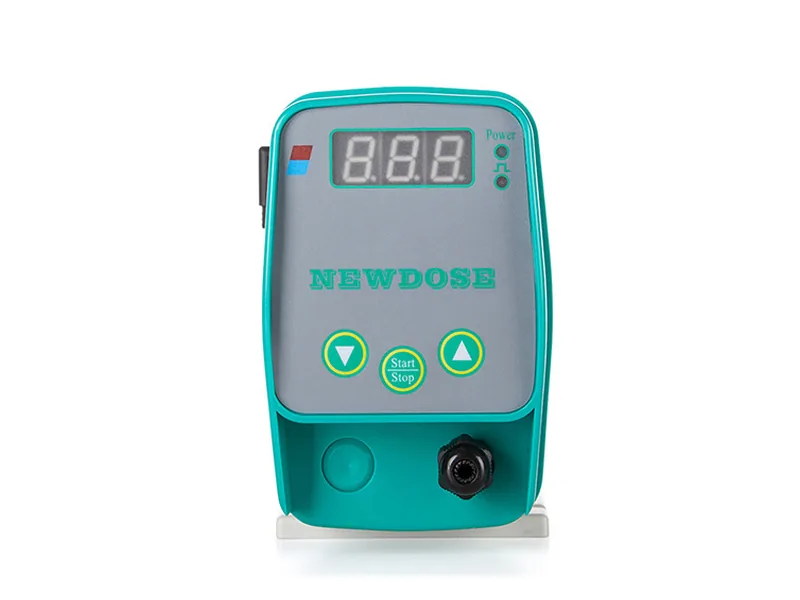
Figure 1: NEWDOSE DM series solenoid dosing pump. Image source: NEWDOSE official website
- If there is a circulation pump and sand filter, inject flocculant and phosphate binder upstream of the filter.
- If there is no circulation and the pond is small, batch dose in zones, in small amounts.
- If a bloom is already underway, use algaecide first, then move to long-term phosphate and floc control.
Inject at the circulation pump discharge, ahead of the filter. The floc is captured in the sand bed instead of settling on the lake bed and stirring up again.
Estimating the dose
Measure surface area and average depth to get the volume, then apply the product's recommended concentration. For continuous pond algae control, multiply circulation flow by the target dose and divide by solution strength to get pump flow. Treat that figure as a starting point for pond algae control, typically a little on the low side, and adjust after watching clarity for a few days.
Pond algae control without harming fish or plants
The most common fish kill after treatment is not poisoning. It is oxygen depletion. When a large bloom dies at once, decomposition strips dissolved oxygen, and by dawn the fish are gasping at the surface. Treat in stages, run aerators or fountains hard during treatment, and avoid hot, still weather.
Aquatic plants, especially submerged ones, can also suffer. Check the label for plant effects and, where needed, treat only open water. Public sites need signs during treatment, and chemical drums should be locked away from visitors and pets.
Checking results
Clarity is the quickest signal, but it can fool you. Water that looks clear after PAC can still carry plenty of dissolved phosphorus. A simple test kit for phosphate, checked every week or two, tells you whether pond algae control is really working or whether the next bloom is just waiting for a warm spell.
Setting up an outdoor dosing pump station
Most pond algae control equipment sits outdoors, so plan for sun, rain and frost:
- House the pump and controls in a weatherproof cabinet. A dosing pump protective cover keeps off sun and rain.
- Use UV-stabilized PE tanks, shaded, with a drip tray underneath.
- In cold climates, drain the pump head and lines before winter shutdown.
- Interlock the metering pump with the circulation pump so chemical stops when flow stops.
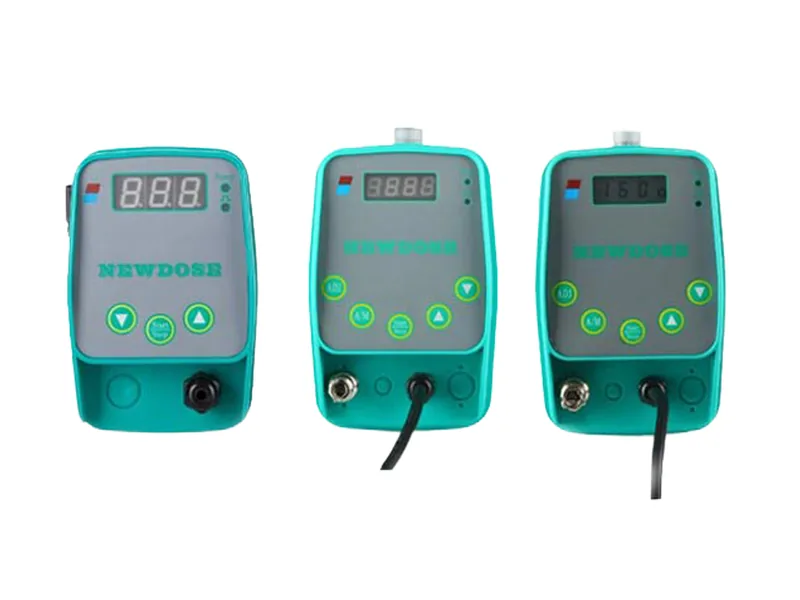
Doses are small, so a solenoid metering pump is usually enough. The NEWDOSE DM and DP series solenoid dosing pumps are compact, run on single-phase power and suit this kind of low-volume duty. See the NEWDOSE brand page and our range of solenoid metering pumps.
Conclusion
Effective pond algae control separates the jobs: algaecide for a bloom, then steady flocculation and phosphate removal to stop it returning. Where a filtration loop exists, dose continuously ahead of the filter, and watch dissolved oxygen whenever you treat. Send us the surface area, depth, circulation flow and existing equipment, and contact our engineers for a dosing plan.
FAQ
How often should I add algaecide?
There is no fixed interval. Dose in small steps during a bloom, then switch to phosphate control once the water is stable.
The water cleared after PAC but went green again. Why?
Phosphorus is still there. PAC settles solids, so add a phosphate binder and keep the filter running.
Can I use algaecide in a koi pond?
Yes, with care. Trial a small area, run aeration, avoid hot days and increase the dose gradually.
What pump suits pond algae control?
A small solenoid metering pump usually does the job. Match the head material to the chemical and protect it outdoors.
Do I need to dose in winter?
Usually not much. Algae growth slows in cold water, so most sites reduce or stop dosing and drain the lines.