
Chlorine Analyzer Inaccurate: Flow, pH and Probe Checks
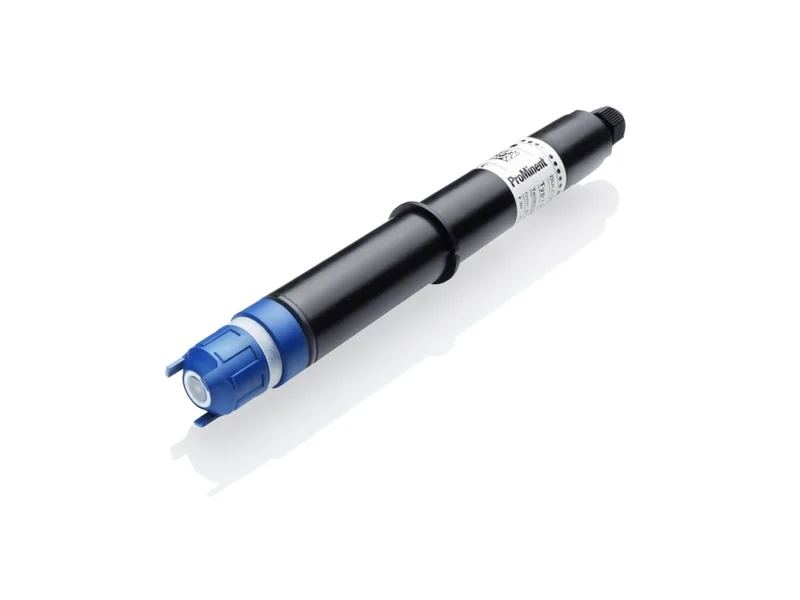
A chlorine analyzer inaccurate reading is more often a sample or probe problem than a failed transmitter. Typical causes are the wrong sample flow or pressure, a pH shift that changes the HOCl/OCl⁻ split, a fouled or aged membrane, plus bubbles and temperature. This article follows a "line first, water quality second, probe last" order for instrument technicians. Selection is covered in residual chlorine monitoring and instrument selection; this page is about drift and how to check it.
If the chlorine analyzer inaccurate symptom starts, check sample flow first
A residual chlorine probe needs a steady sample. Too little flow, and chlorine at the membrane is consumed faster than it is replaced, so the reading runs low. Too much flow, or a sudden pressure change, adds bubbles and the reading jumps. Keep a bypass sample line short, or the residual decays in the pipe and the analyzer no longer matches the basin.
A blinded filter, a half-closed sample valve or a failed flow stabilizer is a common opening chapter when a chlorine analyzer inaccurate complaint comes in. Check that the rotameter or flow indication sits in the range in the manual, and that bubbles are not parked on the membrane. Once flow and degassing are right, many "dead instruments" come back.
When the analyzer is in a closed loop with a metering pump, a wandering signal makes the pump wander too. Loop wiring is in online pH and chlorine analyzers controlling a metering pump. Whether a hypochlorite room needs its own monitor is in chlorine monitoring in a hypochlorite dosing room.
Why pH can make a chlorine analyzer inaccurate
In free chlorine, many online probes respond mainly to hypochlorous acid (HOCl). As pH rises, the equilibrium moves toward hypochlorite ion (OCl⁻). The same residual can then read lower. Operators may open the chlorine pump, when the real change was pH.
When you troubleshoot a chlorine analyzer inaccurate reading, look at sample pH at the same time. If effluent pH is moving, stabilize pH before you judge chlorine, or confirm that pH compensation exists and is enabled as the manual describes. Do not keep tuning only the chlorine loop.
Fouling, aged membranes and calibration
Oil, slime or scale on the membrane slows the response and can pull the reading down or make it lag. An aged, dry or torn membrane will not hold a calibration for long. Clean it as the manual says, and replace the membrane when it is due. Do not "calibrate away" a dirty membrane again and again.
Compare the online value with a fresh reference method. A grab sample with DPD reagent, taken next to the probe and measured promptly, is the usual field check. ProMinent offers both free-chlorine sensors and photometers for this comparison; the official pages list the sensors and the photometer separately. A sample taken far from the probe, or left sitting in a bottle, decays and creates a false chlorine analyzer inaccurate story.
Temperature changes the reaction rate and the membrane behavior. If sample temperature swings, confirm that the temperature compensation sensor is working. Bubbles and an intermittent sample can look like the same fault, and still belong to the flow check.
Close the sample and depressurize the cell before you clean, change a membrane or open the flow cell, so water does not spray the electronics. Wear protection if you handle hypochlorite or an acid cleaner.
A field order of checks
When the chlorine analyzer inaccurate alarm comes up, walk this order:
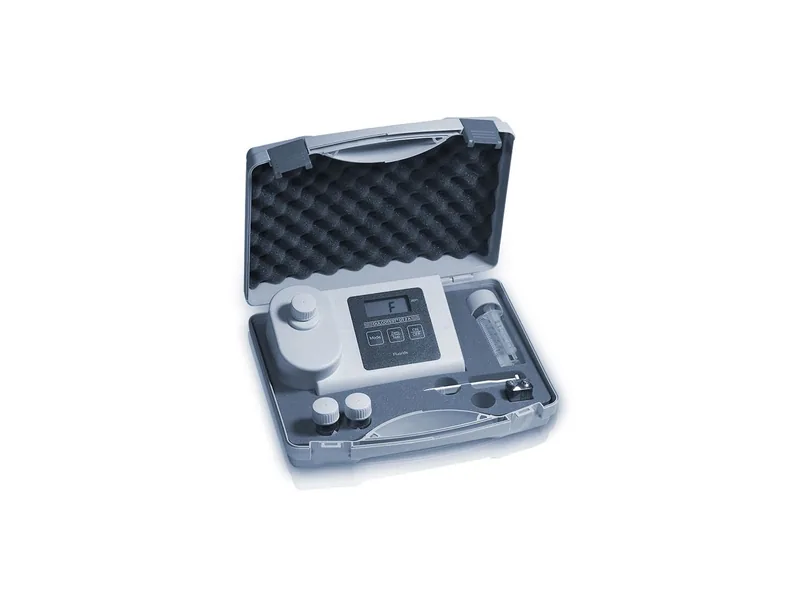
Figure 1: ProMinent photometer. Image source: ProMinent official website
- Confirm continuous sample, flow and pressure in range, and no bubbles or blockage in the line.
- See whether pH and temperature are moving at the same time, and whether compensation is on.
- Run a DPD grab next to the probe, and note whether the offset is fixed or still growing.
- Clean or replace the membrane and compare again; if it is still unstable, check the cable, transmitter and supply.
- Confirm that the metering pump itself is not swinging, so you do not blame the analyzer for a dose problem.
A chlorine analyzer inaccurate spell is also more common when the season or the raw-water source changes. Temperature, turbidity and organics all change how fast the membrane fouls, so last month's cleaning interval may be too long. Increase the DPD checks for a while, and decide whether the instrument is drifting or the chlorine demand of the water truly changed. A dose that follows the water is normal. Do not hang every process change on the analyzer.
If the sample line is long and heated or cooled, check the temperature at the probe against the basin. Compensation only corrects the temperature at the sensor, not the temperature in the tank. A large gap means the sample path needs a change, not another tweak of the coefficient. That distinction keeps a chlorine analyzer inaccurate diagnosis from turning into an endless menu adjustment.
Conclusion
A chlorine analyzer inaccurate reading usually starts in sample flow, pH or the probe, not in a sudden failure of the display. Stabilize the sample, check pH and temperature compensation, compare with DPD at the probe, and clean or replace the membrane instead of forcing one calibration over a dirty electrode. See the chlorine analyzer page and the ProMinent page. Send us the sample conditions, the analyzer model and the comparison data, and contact our engineers to judge a calibration issue versus a parts change.
FAQ
The chlorine analyzer inaccurate offset returns the same day after calibration. Why?
The membrane may still be dirty, the sample flow may have changed again, or the grab comparison was delayed. Fix the line and the cleaning first, then talk about a hardware fault.
Do I have to use DPD to decide the analyzer is wrong?
DPD is the usual field comparison. A lab titration also works if sampling and holding are done properly. A poor grab makes the analyzer look worse than it is.
Does a high pH always create a chlorine analyzer inaccurate low reading?
For free-chlorine probes that respond mainly to HOCl, a rising pH often pulls the reading down. The exact behavior depends on the instrument and on compensation; follow the manual.
The reading still jumps after I clear the bubbles. What next?
Check the membrane, cable glands and transmitter, and whether the chemical feed itself is moving. A steady analyzer with a moving process is not a chlorine analyzer inaccurate fault.
How often should the probe be cleaned?
It depends on the water. Dirty cooling water or effluent needs a short interval; clean filtered water can go longer. Use a slower response and a growing DPD offset as the signal, not only a calendar date.