
Reactor Feed Pump Guide: Accuracy, Batch Control and Backflow
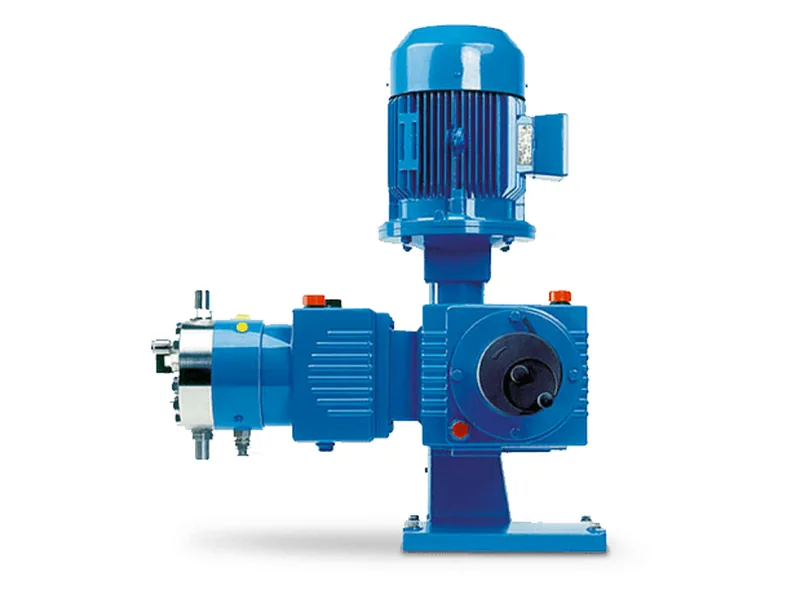
A reactor feed pump has one job: deliver the right amount of material at the right rate into the vessel, without overfeeding, underfeeding or letting reactor contents flow back. Small flows, controlled addition rates and pressurized vessels usually point to a metering pump. Larger flows, liquids whose density or viscosity changes, and recipes that need mass totals often point to a Coriolis mass flow meter with a control valve. This guide is for process engineers, control system designers and buyers at chemical plants. It covers how to choose, and where reactor feeds tend to go wrong, rather than any single chemistry.
Batch or continuous: where reactor feed pump selection starts
In a batch reactor, feed is judged on two things: the total charged and the addition rate. A typical example is a reagent that must be added evenly over a set time so the exotherm stays manageable. In a continuous reactor, material flows in and product flows out all the time, so ratio stability between streams matters most.
That difference drives the control scheme. Batch feeds usually run in batch mode: set a total, and the reactor feed pump or valve stops when it is reached. Continuous feeds use ratio control, where the secondary stream follows the primary flow. How batch mode works on a metering pump is explained in batch dosing pump guide.
Reactor feed pump or mass flow meter and control valve?
When a reactor feed pump fits
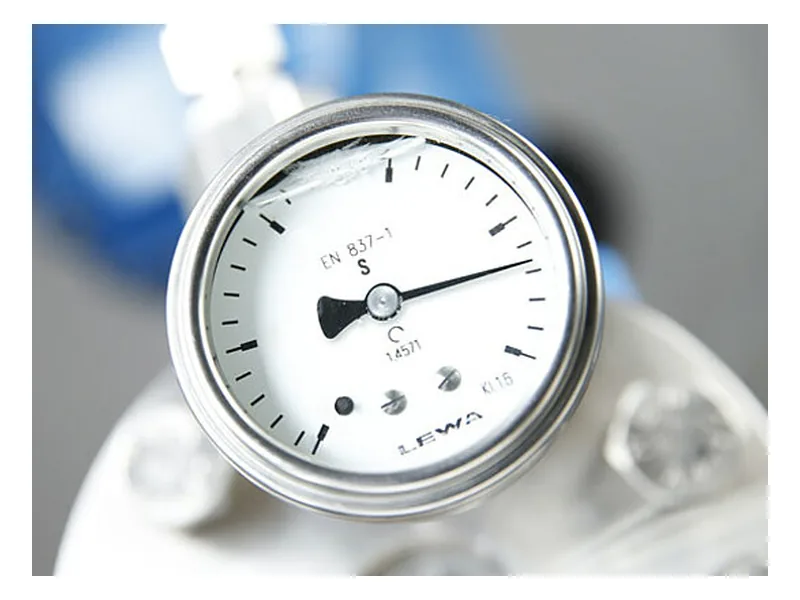
Figure 1: LEWA ecoflow diaphragm monitoring gauge. Image source: LEWA official website
- Flow is small and has to be added at a steady rate.
- The reactor is under pressure and the feed must overcome it.
- The material is toxic or expensive, so a sealed, metered feed path is wanted.
A metering pump is positive displacement. Once stroke length and speed are fixed, output is largely fixed and changes in reactor pressure have a limited effect. The real strength of a chemical reactor dosing pump is repeatability: the same settings give nearly the same charge batch after batch.
When a flow meter and valve fit
- Feed comes from a head tank, pressurized vessel or transfer pump, and flow is larger.
- Density or viscosity varies, so volume alone is not reliable.
- The recipe system wants mass flow and totals directly.
A Coriolis meter reads mass flow and density together, which helps with feeds whose concentration drifts. See Coriolis flow meter for chemical dosing. Many plants combine both: the reactor feed pump delivers, and the mass meter verifies.
Batch reactor feed metering accuracy: what to look at
Buyers often ask only for the accuracy figure. For reactor charging, repeatability and linearity usually matter more. Repeatability decides whether every batch is the same. Linearity decides whether flow follows proportionally when you change the addition rate.
Most real-world error comes from the installation, not the reactor feed pump itself: poor suction conditions causing cavitation, discharge pressure that is too low or unstable, gas bubbles in the feed, and worn valve balls and seats. Calibrate after installation with a calibration column or by weighing, and trust the calibrated figure, not the set point on the display.
Batch control: stopping overfeed and underfeed
When batch feeds go wrong, the cause is usually logic or piping:
- Line holdup. After the pump stops, a slug of material sits in the line, and its state at the next batch is not guaranteed. Keep lines short and add purge or flush where needed.
- Basis of measurement. Stroke counting needs a calibration factor that is checked regularly. Load cells can be disturbed by agitator vibration and piping stress.
- Interlocks. Before feeding, confirm temperature, agitation and valve positions are permissive. During feeding, a high temperature must stop the reactor feed pump automatically.
Backflow: check valves and back pressure
Many reactor feed incidents involve flow going the wrong way. Reactor pressure rises and pushes contents back into the feed line, or the vessel goes under vacuum and siphons the whole feed line in at once.
On any reactor feed pump line, fit a check valve close to the reactor nozzle, and bring the feed in from the top or side rather than leaving the nozzle submerged in reactor contents. Where the vessel may run under vacuum, or the discharge sits near atmospheric pressure, add a back pressure valve at the reactor feed pump discharge to stop siphoning and overfeed. Installation details are in metering pump back pressure valve. A check valve only stops ordinary backflow; it is not an emergency shutoff, so strongly exothermic reactions need a dedicated isolation valve.
Flammable and toxic feeds: explosion protection and leak detection
When the feed is a flammable solvent, a toxic monomer or a highly corrosive liquid, settle two things early.
First, hazardous area classification. Motor, controller and instruments must match the zone, and the pump room needs ventilation and static grounding. Second, leak detection. A hydraulic diaphragm pump has no dynamic seal to the process liquid. Add a double diaphragm with an intermediate chamber monitor, and a rupture of either layer raises an alarm. The principle is covered in double diaphragm metering pump principle.
The LEWA ecoflow is a hydraulic diaphragm metering pump range that can be fitted with a pressure gauge or pressure switch for diaphragm monitoring, and it is widely used as a reactor feed pump in chemical and petrochemical plants. More options are listed under hydraulic diaphragm metering pumps.
Before opening a pump head for service, close the feed and discharge valves, relieve pressure, displace the head and lines with inert fluid or flushing liquid, and wear the required protective equipment.
Conclusion
Choosing a reactor feed pump starts with batch or continuous operation, then flow, reactor pressure and the properties of the material decide between a metering pump and a mass meter with a control valve. Accuracy is only real once the installation is calibrated. Batch control has to handle line holdup and interlocks, backflow protection relies on check valves, back pressure valves and emergency isolation working together, and flammable or toxic feeds need explosion protection and double diaphragm leak detection from the start. Send us the material, flow range, reactor pressure, temperature and area classification, and contact our engineers to size your reactor feed pump.
FAQ
Will reactor pressure changes affect reactor feed pump flow?
A little. Volumetric efficiency drops as back pressure rises, so size for the highest reactor pressure and calibrate near operating pressure.
How do we confirm the full charge went in?
Stroke counting, a flow totalizer or load cells. Ideally use two methods that cross-check each other, with an alarm when they disagree beyond tolerance.
Why avoid a submerged feed nozzle?
A submerged nozzle makes backflow into the feed line more likely when reactor pressure rises or the pump stops. If subsurface feed is required, fit reliable check and isolation valves.
Can a metering pump handle viscous feeds?
Yes, with a larger suction line, a lower stroke rate, heat tracing to reduce viscosity if needed, and a pump head and valves designed for viscous liquids.
Is a diaphragm pump or a plunger pump better for reactor charging?
Toxic or hazardous feeds generally favor a diaphragm design because it has no packing leakage path. Plunger pumps suit very high pressures with less hazardous liquids.