
Refinery Ammonia Injection and Crude Overhead Wash Water Explained
Refinery ammonia injection, wash water injection and corrosion inhibitor injection all serve one purpose: keeping the crude unit overhead system from corroding. Ammonia or an amine neutralizer raises the pH of the acidic condensate, wash water dissolves and flushes ammonium salts and dilutes the acid, and the inhibitor films the metal. Together with the desalter, these three injections form the standard defense of the atmospheric tower overhead. Getting it right depends on three things: injection points in the right place, good mixing at the point, and rates adjusted to sour water analysis. This article is for refinery process, equipment and corrosion engineers and for the contractors who supply the injection packages. It does not go through API 675 clause by clause.
Why the crude overhead corrodes
Chloride salts left in the crude partly hydrolyze in the heater and form hydrogen chloride, which travels up the tower with hydrogen sulfide. As the vapor cools in the overhead line, exchangers and air coolers, it reaches the water dew point. The first droplets that condense are few and very acidic, and that zone suffers the worst attack.
Ammonium salts are the second problem. Ammonia or amines combine with hydrogen chloride to form ammonium chloride, which can crystallize on pipe walls and in air cooler tubes. That brings under-deposit corrosion, fouling and falling heat transfer. Overhead protection, refinery ammonia injection included, therefore has to control two things at once: acidic condensate and salt deposition.
What refinery ammonia injection actually does
Refinery ammonia injection puts aqueous ammonia or an organic amine neutralizer into the overhead line to neutralize acid in the condensate and hold the pH inside the range the process specifies. Many refiners have moved to filming or neutralizing amines because they can act earlier in the initial condensation zone and their salts are less prone to crystallize. Which one suits a unit is decided by process engineers and the chemical supplier based on the crude slate.
A common misunderstanding is that a little extra is safer. Overdoing refinery ammonia injection pushes pH too high and increases salt formation, so fouling risk goes up. Set the rate from the overhead sour water pH, and adjust often in small steps rather than in big jumps.
Crude unit overhead wash water injection
Wash water normally goes in upstream of the air coolers or condensers. The aim is to make sure there is enough liquid water to dissolve salts that would otherwise deposit and to dilute acid in the first condensate. The rate must leave part of the water in liquid form after injection. If it all flashes to vapor, nothing gets washed and salt can pile up right at the injection point.
Water quality matters too. Water high in oxygen or dissolved salts causes new problems, so many units reuse stripped sour water, as the process design dictates.
Corrosion inhibitor is usually injected after the neutralizer. It complements refinery ammonia injection and wash water; it does not replace either.
Injection points, quills and mixing
When overhead treatment underperforms, the chemistry is often fine and the injection method is not.
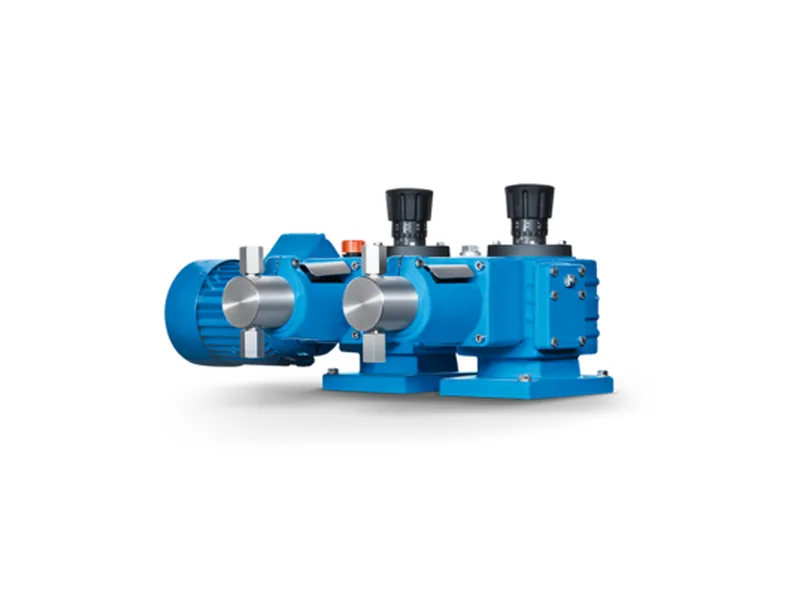
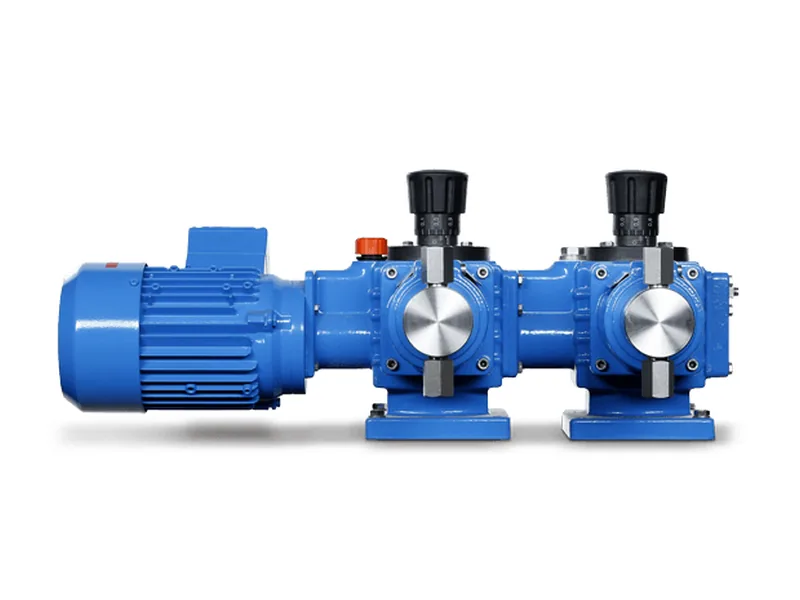
Figure 1: LEWA ecoflow twin-head plunger unit. Image source: LEWA official website
- Location: for refinery ammonia injection, put the neutralizer ahead of the dew point so it mixes with the vapor first and acts in the initial condensation zone. Put wash water upstream of the air cooler inlet header so every bundle gets its share.
- Quills and nozzles: deliver chemicals through an injection quill reaching the pipe center or an atomizing nozzle, not through a small wall connection. Chemical dribbling along the wall creates local high concentration and erosion.
- Distribution: with several parallel air cooler passes, uneven wash water leaves some bundles salting up and others eroding.
The quill itself needs a corrosion-resistant material, and nozzles should be inspected for plugging.
Adjusting rates from sour water analysis
Injection rates are not set once and left. Typical monitoring covers overhead sour water pH, chloride and iron. pH steers the refinery ammonia injection rate, chloride reflects desalter performance and crude changes, and iron shows how much corrosion is really happening.
When the crude changes, desalter operation changes or throughput moves a lot, sample more often and adjust pump stroke promptly. Where possible, add online pH monitoring so the neutralizer pump follows the pH signal automatically, but keep manual lab checks as a cross-reference.
Choosing the refinery chemical injection pump
Overhead pressure is not extreme, but the refinery chemical injection pump must overcome line pressure plus nozzle pressure drop and run continuously for years. That points to industrial plunger or hydraulic diaphragm metering pumps.
Wash water rates are larger and the fluid is water, so packed plunger pumps are common: simple and easy to maintain. For refinery ammonia injection the fluid is toxic and odorous and must not leak, so hydraulic diaphragm pumps fit better, and critical services use double diaphragms with leak detection; see double diaphragm metering pump. The LEWA ecoflow series offers both plunger and diaphragm pump heads. For pressure rating and relief valve sizing, see high pressure metering pump selection.
Chemicals used for refinery ammonia injection are toxic and volatile. Relieve pressure and isolate the pump and piping before maintenance, ventilate the area and wear proper protection.
Conclusion
Refinery ammonia injection, wash water and inhibitor work as a set in the crude overhead: ammonia or amine neutralizes acidic condensate, wash water flushes ammonium salts, and inhibitor protects the metal. Place neutralizer ahead of the dew point and wash water upstream of the air coolers, use quills or atomizing nozzles, and adjust rates from sour water pH, chloride and iron. Plunger pumps usually handle wash water, while hydraulic diaphragm pumps handle ammonia and amines. High pressure options are listed under plunger metering pumps. Send the chemical, flow, injection pressure and hazardous-area class, and contact our engineers for a pump selection.
FAQ
Is ammonia or an organic amine better for refinery ammonia injection?
Each has its place. Amines can neutralize earlier in the initial condensation zone and form salts less likely to deposit, but cost and crude compatibility have to be assessed by process engineers and the supplier.
Is more refinery ammonia injection always safer?
No. Excess raises pH and salt formation, which can foul exchangers. Steer by sour water pH in small steps.
Can wash water be injected intermittently?
Continuous injection is generally recommended. Salt builds up during gaps, and restarting can wash loose deposits downstream and cause local corrosion.
Does the injection pump need a spare?
Overhead injection runs continuously, so one duty and one standby pump is normal. Vent the standby before switching so injection is not interrupted.
How can I tell a nozzle is plugging?
Rising pump discharge pressure, falling injection rate and unstable sour water pH all point that way. Stop injection and pull the quill for inspection.