
Rainwater Harvesting Disinfection: Dosing From Tank to Tap
Rainwater harvesting systems are usually disinfected the same way. After first-flush diversion, settling and filtration, the water goes to a storage tank. Sodium hypochlorite is then dosed either on the tank inlet or on the reuse supply main, paced to flow, and a residual is held at the points of use. Rainwater looks clean, but roof and ground runoff carries organics, bird droppings and silt, and after a few days in a warm tank that is enough to grow bacteria and algae. This guide is for designers, contractors and building managers who put rainwater harvesting systems into service.
Why rainwater harvesting needs disinfection
Plenty of rainwater harvesting systems are installed with filters and no disinfection at all. The trouble usually shows up in the first summer:
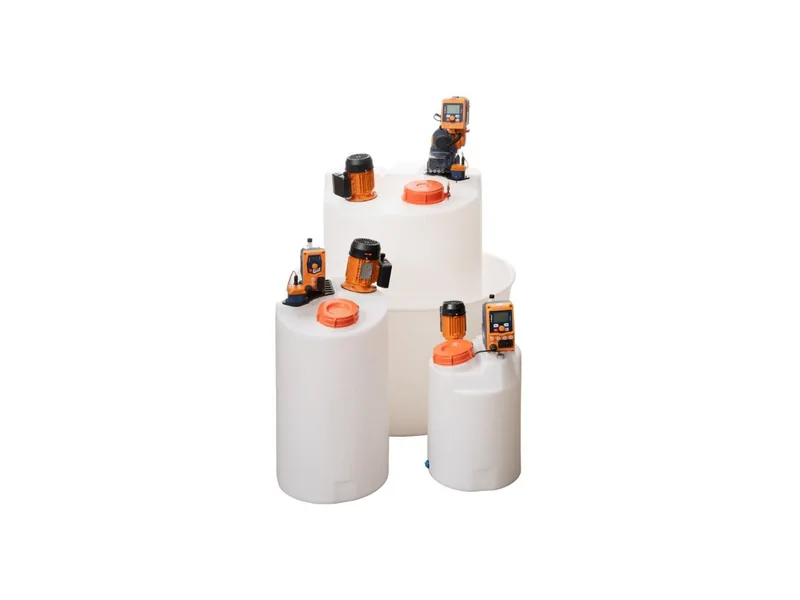
Figure 1: ProMinent DULCODOS eco dosing station. Image source: ProMinent official website
- The tank turns green and smells, and algae grows on the walls.
- Irrigation heads clog with biofilm.
- Toilet flushing water smells and occupants complain.
The cause is simple. The water sits for a long time, it gets warm, it has nutrients, and nothing is holding a residual. Disinfection knocks bacteria down before the water leaves the plant and keeps a residual in the pipework afterward.
A typical rainwater harvesting treatment train
A common layout looks like this:
- First-flush diversion. The first few minutes of runoff, which carry the most dirt, go to drain.
- Settling or a vortex separator to drop out silt.
- Filtration, sand or cartridge, to bring turbidity down.
- Storage in a tank or clear well.
- Disinfection with hypochlorite, or UV backed by a small hypochlorite residual.
- Booster pumps feeding irrigation, toilets, vehicle washing or water features.
If turbidity is poorly controlled, suspended solids eat up the disinfectant. Good filtration comes before good disinfection.
Choosing a disinfectant for rainwater harvesting
Sodium hypochlorite is the usual choice. The equipment is simple, the chemical is easy to buy, and it leaves a residual in the network. To work out the dose, see how to calculate sodium hypochlorite dosage.
Other options:
- UV. No chemical and no byproducts, but no lasting protection either. On longer networks, add a small hypochlorite feed to hold a residual.
- Chlorine dioxide. Stronger, and suited to larger systems or poorer water, but the equipment and handling are more involved.
Small systems work a lot like village water supplies, so our note on rural drinking water disinfection dosing is a useful comparison. If you have break tanks and booster sets, the residual approach in secondary water supply disinfection also applies.
Where to dose and how to control it
There are two common injection points:
- On the tank inlet. Water picks up a residual as it arrives and the tank stays cleaner, but chemical use climbs in heavy rain.
- On the reuse supply main. Dose paced to outgoing flow, so you only treat the water you use. Chemical efficiency is better, but you need another way to keep algae down in the tank, such as blocking light.
The steadiest approach is flow-paced dosing on the supply main, trimmed by a residual analyzer. Tanks that sit idle for long periods should get a periodic shock dose.
A mistake we often find on site is a single dosing port placed right next to the pump suction. The chemical gets pulled through before it mixes, and the residual at the taps jumps around. At design stage, leave enough straight pipe after the booster pump for mixing, then add a sample point for the analyzer.
Metering pumps for rainwater harvesting
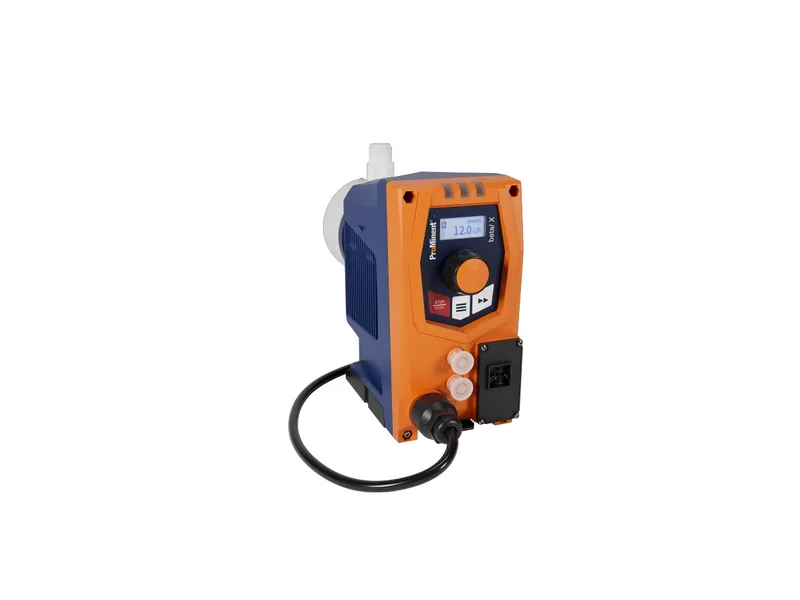
Chemical demand in rainwater harvesting is usually tiny, so a small solenoid metering pump does the job. The ProMinent beta/ X accepts a flow signal and is listed on the ProMinent beta/ X page. If you want the tank, pump and pipework as one package, a ready-made unit such as the DULCODOS eco fits well. Other small pumps are in our solenoid metering pump range.
Spec it like this:
- A pump with pulse or 4–20 mA input, interlocked with the booster pumps.
- A low-level alarm on the chemical tank, with hypochlorite stored out of the light.
- An injection valve at the dosing point to stop siphoning and backflow.
- A residual test point at a point of use or the far end of the network.
Running the system through wet and dry seasons
What sets rainwater harvesting apart is that flow and quality change with the season:
- Wet season. More inflow and swinging turbidity. Backwash filters more often, expect higher chemical use, and keep deliveries coming.
- Dry season. Water sits longer, the residual decays and algae grows. Top up the dose or shock the tank on a schedule. If the system switches to mains backup at low level, make sure backflow protection is in place.
- Restarting after a long shutdown. Flush the pipework, shock dose, and only put it back into use once the residual is in range.
Hypochlorite breaks down, so plan on using a delivery within a month or two, and sooner in hot weather. Wear goggles and gloves when changing drums, and never store hypochlorite next to acid cleaners.
Conclusion
Rainwater harvesting disinfection only works if first-flush, settling and filtration are done well. Dose hypochlorite on the tank inlet or the supply main, pace it to flow, trim it with a residual analyzer, and hold a residual at the points of use. In the wet season, watch chemical supply and filter backwash. In the dry season, watch residual decay and algae, and shock dose before restarting an idle system. Send us your catchment area, tank volume and end uses through our contact page, and we will put together a disinfection dosing package for your rainwater harvesting system.
FAQ
Can rainwater harvesting systems skip disinfection?
We would not recommend it. Water sits in the tank long enough to grow bacteria and algae, so systems feeding toilets or spray irrigation are normally disinfected.
Is UV alone enough for rainwater harvesting?
UV only kills at the lamp and leaves no residual in the pipework. On longer networks or with many outlets, a small hypochlorite feed is usually added.
How do I interlock the dosing pump with the booster pumps?
Drive the metering pump from a flow meter pulse or the booster run signal so it doses in proportion to flow and stops when the boosters stop.
What do I do about algae in the tank?
Block the light, shock dose on a schedule, and check that filtration and residual are holding. In bad cases, drain and clean the tank.
How is rainwater harvesting disinfection different from secondary supply disinfection?
Both hold a residual, but harvested rainwater varies more and changes with the season, so filtration and chemical supply matter more. Harvested rainwater is also not for drinking.