
Magnetite Ballasted Flocculation: Coagulant and Polymer Dosing
Ballasted flocculation with magnetite follows a simple idea. Coagulant destabilizes the contaminants, fine magnetite is seeded into the forming floc, and polymer binds magnetite and fines into heavy, compact floc that settles many times faster than ordinary floc. Magnetite ballasted clarification needs little space and responds quickly, so it shows up in treatment plant upgrades, combined sewer overflow treatment and polluted urban waterways. This article explains how the three chemicals work together, how the magnetite is recovered and what typically goes wrong.
How magnetite ballasted flocculation works
The key is added weight. Magnetite is dense and finely ground. During flocculation it is wrapped into the floc, raising the floc's overall density so that it drops quickly in the clarifier. That allows very high surface loading and short residence times.
Settled sludge is pumped to a high-shear mixer that breaks the floc apart, then through a magnetic drum separator that pulls the magnetite out and returns it to the reactor. The remaining sludge is wasted. Most magnetite recirculates, but a little leaves with every batch of waste sludge, so fresh magnetite has to be added regularly.
Dosing order in ballasted flocculation
The reactor is usually divided into stages, each with its own chemical:
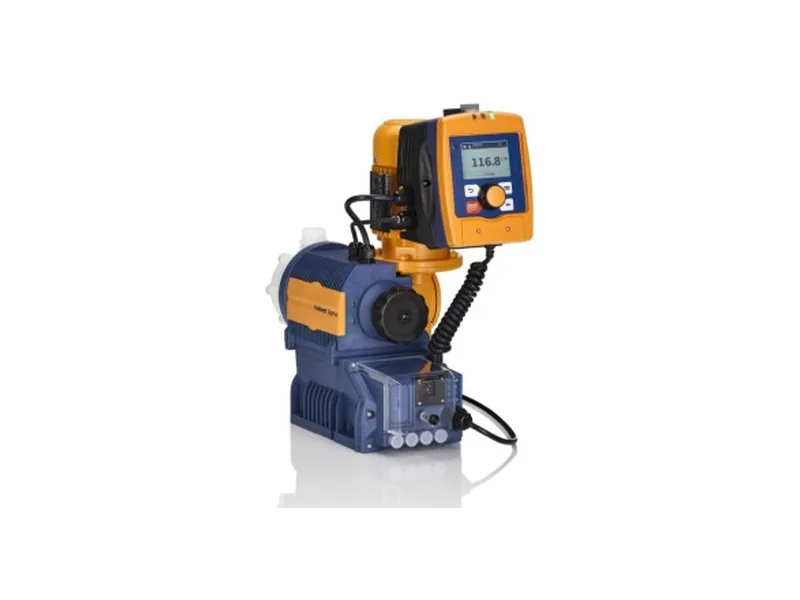
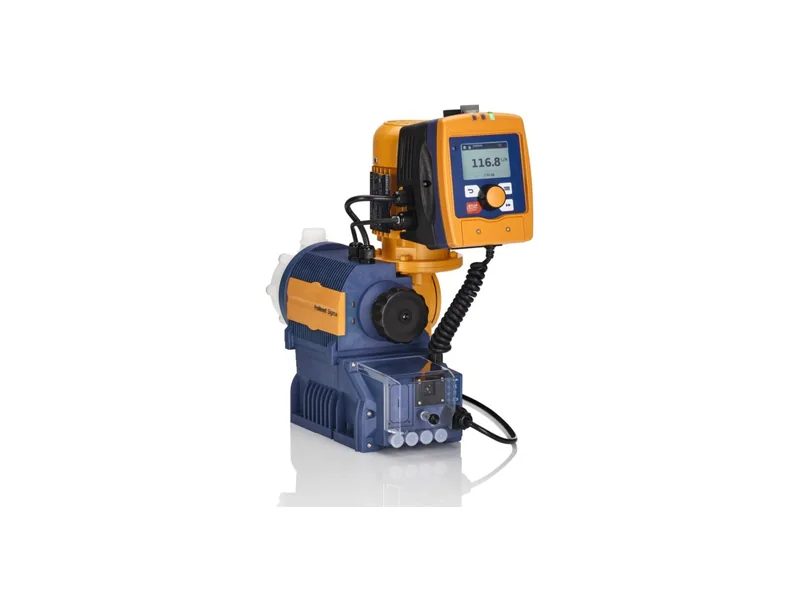
Figure 1: ProMinent Sigma/ X S1Cb control-type motor-driven metering pump. Image source: ProMinent official website
- Coagulation tank: PAC or an iron salt under fast mixing to destabilize solids and phosphate.
- Ballast tank: fresh and recovered magnetite under medium mixing so it contacts the destabilized particles.
- Flocculation tank: polymer under slow mixing to tie fines and magnetite into large floc.
- Clarifier: rapid settling and clear effluent.
Order matters. If polymer goes in ahead of the magnetite, floc forms first and the ballast cannot get inside it. Coagulant injection placement and mixing intensity follow the principles in coagulant dosing point selection.
Balancing coagulant and polymer
Polymer dosing in ballasted flocculation needs more care than in conventional clarification. Too little and the magnetite is not captured, so fine black particles show up in the effluent. Too much and the floc turns sticky, the high-shear mixer struggles to break it, and magnetite recovery drops. Set the PAC to polymer ratio by jar test, as described in PAC and PAM dosing ratio.
Add magnetite to the jar test too, following the real sequence and mixing speeds, and watch settling speed and supernatant clarity. For signs of overdosing, see how to tell if PAC and PAM are overdosed.
Manage the magnetite dose together with recovery efficiency. High recovery means little fresh magnetite; when recovery falls, inspect the shear mixer and drum separator before adding more ballast.
Choosing and handling magnetite
Most systems use fine iron oxide magnetite, and its particle size and purity affect both capture and recovery. Coarse material escapes the floc and settles in the ballast tank; very fine material is lost with the effluent. For a new ballasted flocculation unit, start with the supplier's recommended grade and only review it once the plant runs steadily. Store magnetite dry, because caked powder disperses poorly and sinks in lumps. Log the daily make-up quantity separately, as it is the simplest indicator of recovery health.
Pacing the dose
Ballasted flocculation reacts fast and has a short residence time, so dosing must follow flow changes or the effluent shifts within minutes. Typical control:
- Coagulant in proportion to inlet flow, trimmed by an online phosphorus analyzer where limits are tight.
- Polymer in proportion to inlet flow at a ratio set by testing.
- Magnetite managed from return sludge rate and recovery, with periodic lab checks of magnetite content in the sludge.
Startup deserves its own plan. A ballasted flocculation unit that sits idle between storm events needs its magnetite inventory, polymer solution and pumps ready to go at short notice, so check stored polymer age and run the pumps briefly each week. Overflow and waterway projects see large swings, so allow room for manual adjustment and run a quick jar test each shift.
Pump selection for ballasted flocculation
Coagulant and polymer use is substantial and continuous, so motor-driven diaphragm metering pumps with 4–20 mA control are the norm. The ProMinent Sigma/ X S1Cb control-type motor-driven pump has built-in control and accepts external signals directly; see the ProMinent brand page and the mechanical diaphragm pump category for alternatives.
Polymer pumps need slow stroke rates and large valves; PAC heads can be PVC or PVDF. Magnetite itself is not handled by metering pumps but by a dedicated feeder or the recycle line.
Common problems
What operators report most often:
- Fine black particles in the effluent: magnetite not captured. Polymer is short or in the wrong place, or the ballast is too fine.
- High magnetite consumption: the recovery loop has lost efficiency; service the shear mixer or drum separator.
- Effluent phosphorus swings: coagulant is not following flow and phosphorus changes.
- Floating floc: sludge left too long in the clarifier and gassing.
Before working on the shear mixer, drum separator or dosing pumps, isolate power and relieve pressure, and wear gloves and goggles around PAC.
Conclusion
Dose coagulant, then magnetite, then polymer. Set the ratios with jar tests that mimic the real process, manage magnetite make-up alongside recovery efficiency, and pace chemicals to flow and phosphorus. Use motor-driven diaphragm pumps with standby for coagulant and polymer. Send your flow, influent and effluent targets and project type through the contact page and we will review the chemical feed for your ballasted flocculation system.
FAQ
How does ballasted flocculation differ from conventional clarification?
Magnetite adds weight, so floc is denser and settles faster, cutting footprint and residence time, at the cost of a magnetite recovery loop.
Does magnetite need topping up?
Yes. Most is recovered, but some leaves with the waste sludge every cycle.
What happens if polymer is overdosed?
Floc turns sticky, magnetite recovery falls and effluent quality may worsen, so keep the dose to the tested range.
Can ballasted flocculation remove phosphorus?
Yes. Coagulant precipitates phosphate and the ballasted floc separates it quickly, which is why it is popular for phosphorus upgrades.
Will solenoid pumps do the job?
For small units, possibly. Most projects run continuous, higher flows that suit motor-driven diaphragm pumps better.