
Screw Press Polymer Dosing: Grade, Make-Down and Pump Sizing
Screw press polymer dosing comes down to one goal: build large, strong floc before the sludge enters the screw. Choose the right grade, keep the solution reasonably dilute, inject it in the flocculation tank and size the pump from the dry solids load, and a screw press or volute press will deliver a drier cake and a clear filtrate. When cake is wet or solids escape with the filtrate, check the polymer system before blaming the machine. This guide is for operators and commissioning engineers running screw and volute dewatering presses.
What a screw press needs from the polymer
A volute screw press uses a filter drum made of fixed and moving rings with a slowly turning screw inside. As the screw pushes the sludge along, water drains through the gaps between the rings and the cake is squeezed toward the outlet. The machine runs slowly, resists clogging and can handle thin sludge, and many units draw directly from an aeration tank or clarifier.
Because it filters and presses at the same time, the floc must already be big and tough when it reaches the drum. With too little screw press polymer, small floc slips through the ring gaps and clouds the filtrate. Weak floc breaks up in the pressing zone and the cake comes out wet. Every screw press polymer decision is really about floc strength.
Choosing a screw press polymer grade
Municipal and most biological sludges carry a negative charge, so a cationic polymer is the usual starting point, with charge density and molecular weight narrowed down by testing. Sludges rich in inorganic solids, such as chemical sludge from heavy iron or aluminum dosing, sometimes respond better to anionic or nonionic grades.
A practical screening routine:
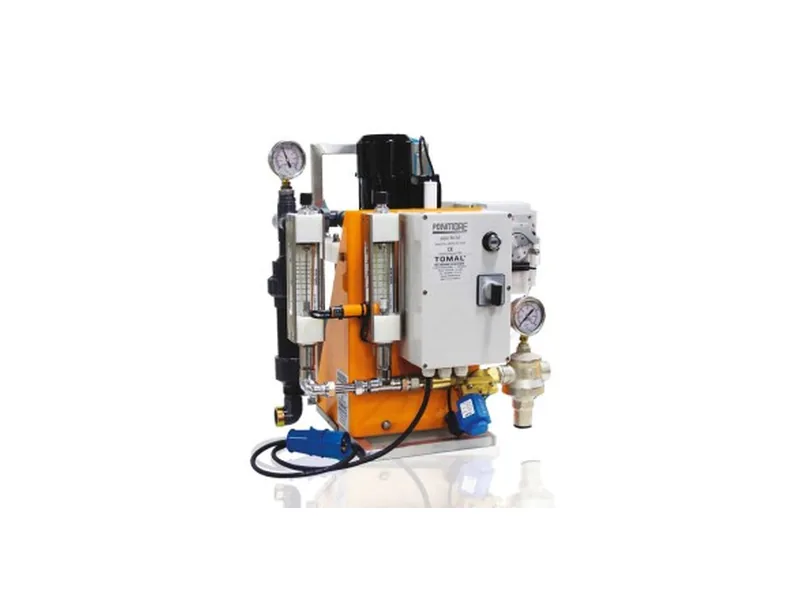
Figure 1: ProMinent PolyMore polymer preparation system. Image source: ProMinent official website
- Take a fresh sludge sample and measure its solids content.
- Prepare two or three cationic grades of different charge at about 0.1%.
- Run jar or cylinder tests and compare floc size, supernatant clarity and how well the floc survives stirring.
- Pick the grade with large floc, clear water and good shear resistance, then fine-tune on the machine.
Typical dose ranges and how to calculate them are covered in PAM dosage ranges.
Injection point and the flocculation tank
Most screw presses come with a flocculation tank. The sludge pump feeds sludge into the tank, polymer solution is added at the sludge inlet, a slow mixer grows the floc, and the mixture overflows into the drum. Putting the screw press polymer injection right at the inlet gives the longest contact time.
Two details are easy to miss. Mixer speed matters: too fast and the fresh floc shears apart, too slow and the polymer does not disperse, so judge it by eye during commissioning. Residence time matters too: raising the sludge feed shortens the time in the tank, so the polymer dose and mixer setting need rechecking whenever throughput goes up.
Some sites add an inline static mixer on the sludge line ahead of the tank for pre-mixing, which helps noticeably with thin sludge.
Sizing the screw press polymer pump
Work back from the dry solids load:
- Sludge flow multiplied by solids content gives dry solids per hour.
- Dry solids multiplied by polymer use per tonne of dry solids gives active polymer per hour.
- Active polymer divided by solution strength gives solution flow per hour, which is the pump's duty flow.
Size the pump with some margin so it runs mid-range on stroke. Solution strength is typically around 0.1–0.3%; stronger solution is thicker and harder for the pump to draw. Whether to use a diaphragm metering pump or a progressing cavity pump is discussed in diaphragm vs screw pumps for PAM, and the wider system is covered in sludge dewatering dosing system selection.
Calibrate the pump after installation. Measure actual solution flow with a calibration column or graduated cylinder rather than trusting the nameplate or stroke dial.
Screw press polymer make-down equipment
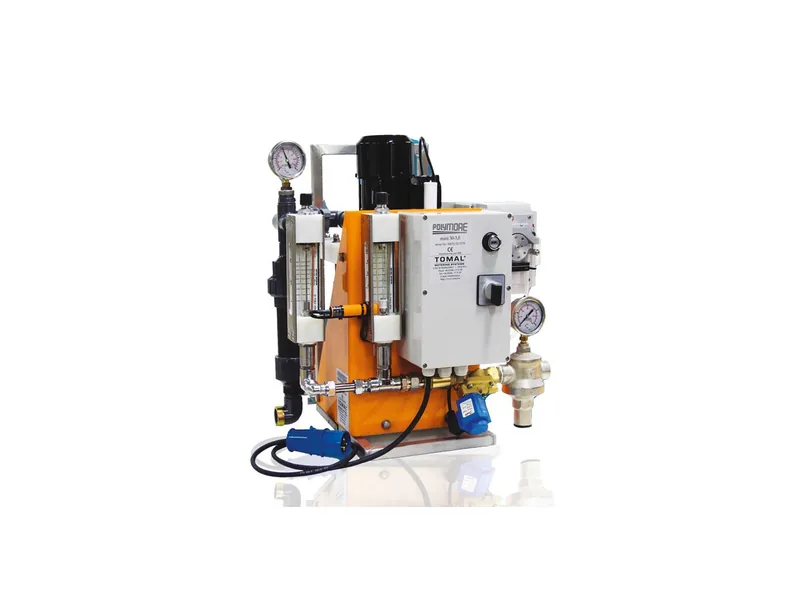
Most screw press polymer arrives as powder, and how well it dissolves decides how well it works. Small sites can hand-feed a simple mixing tank, but that tends to produce lumps known as fish eyes. Continuous operations do better with automatic make-down units that meter powder, wet it, age it and hand it to the feed pump. The ProMinent PolyMore polymer preparation system is one such unit, preparing powder or liquid polymer at a stable concentration. See our ProMinent brand page and the dosing skid category for other configurations.
Allow enough aging time, typically tens of minutes. Freshly mixed polymer has not uncoiled and performs far worse.
Troubleshooting screw press polymer problems
Common situations during commissioning and operation:
- Cloudy filtrate and solids loss: floc too small. Dose too low, wrong grade, or the mixer is too fast.
- Wet cake: floc too weak. Try a higher molecular weight grade or increase the end plate back pressure.
- Drum fouling or wrapping: overdosing makes the cake sticky, or fibrous debris needs better screening.
- Polymer pump not delivering: solution too thick or suction line too long. Dilute and shorten the suction.
Before cleaning the flocculation tank or opening feed lines, isolate power, stop the pump and relieve pressure; mixers and screws can cause serious injury.
Conclusion
Good screw press polymer dosing depends on floc strength. Select the grade by testing, keep the solution in a sensible range and give it time to age, inject at the flocculation tank inlet, size the pump from dry solids and calibrate it in place. When cake is wet or filtrate is dirty, check the polymer first and the machine second. Share your sludge type, solids content and throughput through the contact page and we will size the polymer pump and make-down unit for your press.
FAQ
Cationic or anionic screw press polymer?
Cationic for most biological sludge; anionic can work better on inorganic chemical sludge. Let jar tests decide.
How do I adjust the screw press polymer dose?
Start from the dry solids calculation, then adjust in small steps while watching filtrate and cake, giving each change time to settle.
What screw press polymer strength should I use?
Typically around 0.1–0.3%. Stronger solution is viscous, harder to pump and slower to mix with sludge.
Can a screw press take sludge straight from the aeration tank?
Many models can, but the flocculation tank needs more residence time and more polymer, sometimes with an inline pre-mixer.
Do I recalibrate after changing polymer grade?
Yes. A different viscosity changes the pump's real output, so recalibrate after any grade or strength change.