
Metering Pump Startup Fault: Fixing a Plunger Pump Start Timeout
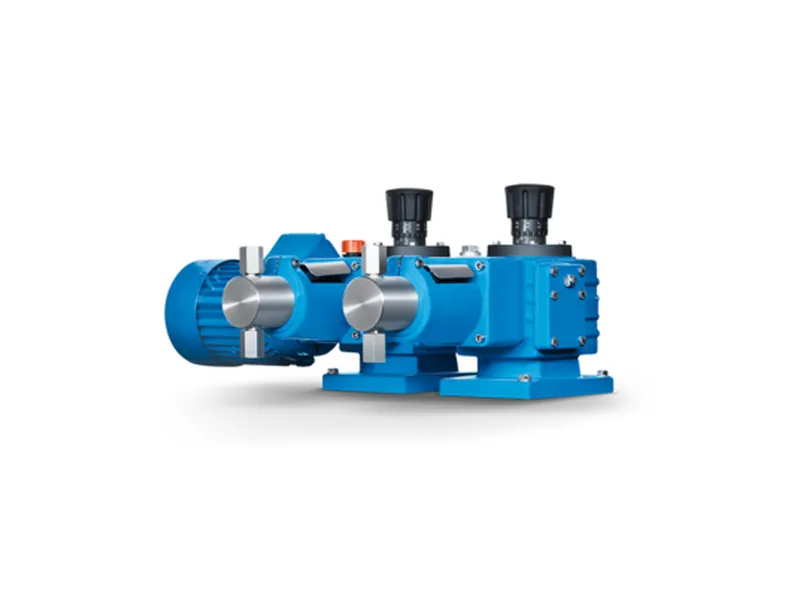
A metering pump startup fault that shows up as "start timeout" or "start failure" on a plunger pump rarely means the pump itself is broken. In most plants it means the PLC, DCS or local panel sent a start command and did not receive a run confirmation within the monitoring window, so it dropped the command and raised an alarm. Before anyone opens the pump head, walk the signal chain: was the command delivered, were the permissives healthy, did the motor turn, did the feedback come back, and did discharge pressure build? This guide is written for maintenance technicians and E&I staff working on motor-driven plunger metering pumps.
How a Metering Pump Startup Fault Is Detected
Most control programs include a start supervision timer. It starts counting when the command goes out. If no run signal arrives before it expires, the logic flags a metering pump startup fault and removes the command so the motor is not left energized in an abnormal state.
Where that run signal comes from varies by project, and it decides where you look:
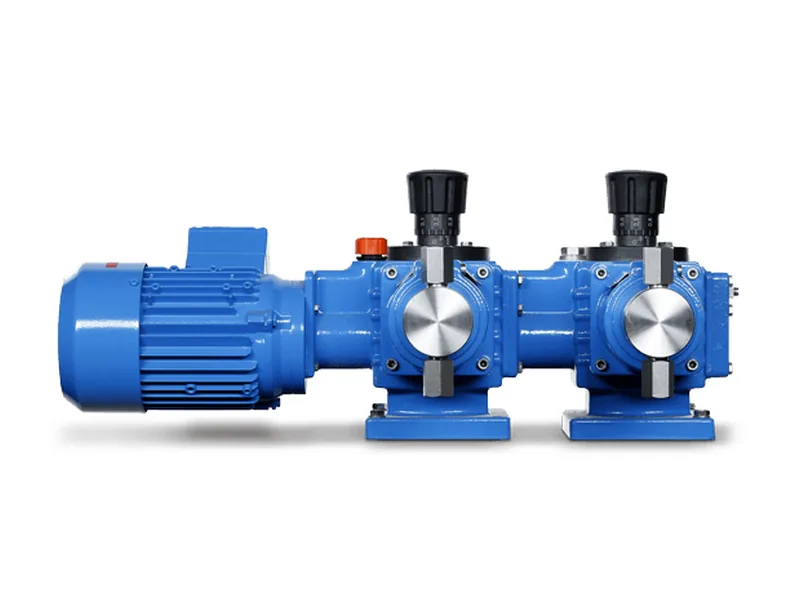
Figure 1: LEWA ecoflow packed plunger pump with drive. Image source: LEWA official website
- an auxiliary contact on the motor contactor, which only proves the contactor pulled in;
- a run relay output from the VFD, which proves the drive is actually putting out frequency;
- a process confirmation, such as a discharge pressure switch or flow meter reading within a set time.
Alarm codes also differ between manufacturers. Always read the code in the pump or controller manual rather than borrowing a code list from another brand.
Step 1: Was the Start Command Delivered?
A surprising share of metering pump startup fault calls end at the local/remote selector. In local mode, remote commands are ignored. Next check the emergency stop. Twist-to-release buttons can look reset when they are not. Then confirm the PLC output actually switched and that the interposing relay coil sees voltage. We once spent an hour on a pump that "would not start from the DCS" only to find the local switch had been left in the stop position after maintenance.
Step 2: Is a Permissive Blocking the Start?
Process plunger pumps usually carry a list of start permissives. If any of them is missing, the contactor never closes, and the operator only sees a metering pump startup fault. Typical permissives include:
- low tank level, to prevent dry running;
- gearbox oil level or lube oil pressure;
- a limit switch proving the discharge valve is open;
- stroke actuator healthy, on systems that require it;
- flush water or barrier fluid pressure for the packing.
Check each permissive on the HMI or in the panel. On older systems the HMI may not show them, so you have to meter the terminals against the drawings. A closed discharge valve is worth extra attention, because starting against it can damage the pump. See our guide on dead heading a plunger pump.
Step 3: Did the Motor and Drive Respond?
If the contactor pulls in but the motor hums, stalls or trips straight away, the problem sits in the power circuit. Check the overload relay or motor protection relay, three-phase voltage balance, and any fault code on the VFD, such as overcurrent, undervoltage or overload. After that, test motor insulation and winding resistance.
Cold weather deserves its own check. Many winter metering pump startup faults start here. Gearbox oil thickens and packing that was tightened in summer grips harder, so breakaway torque goes up. Turning the coupling by hand tells you a lot: if it feels much heavier than usual, sort out lubrication and packing tension before restarting. Our article on metering pump tripping causes covers overload and phase loss in more depth.
Step 4: The Pump Runs but Still Reports a Metering Pump Startup Fault
This is the case that confuses people most. You can stand next to the pump and watch the plunger move, yet the control room still reports a metering pump startup fault. The cause is almost always the feedback path:
- an oxidized or loose auxiliary contact;
- a VFD relay configured for a different function, such as fault or at-speed;
- a loose or misplaced wire on the terminal strip;
- a failed channel on the PLC input card.
Measure the PLC input while the pump runs. If the signal never changes state, you have found it. The plunger metering pump wiring guide shows typical motor, actuator and alarm connections.
Step 5: Pressure or Flow Used as Start Confirmation
When start confirmation relies on a pressure switch or flow signal, a turning motor is not enough. The pump has to build discharge pressure before the timer runs out. When it cannot, look for air in the pump head (common on first start or after a chemical change), stuck or reversed suction and discharge valves, a relief valve set too low or leaking back to the tank, or a failed back pressure valve that leaves too little pressure to trip the switch. In this case the metering pump startup fault is really a hydraulic problem, so prime first, then check the valves.
Setting the Timer to Avoid False Metering Pump Startup Faults
A timer that is too short creates false alarms. Long VFD acceleration ramps or a soft starter can mean the motor is still ramping when the timer expires. Measure the real time from command to feedback and add a sensible margin. For pressure confirmation, include priming and pressure build-up time. Do not stretch the timer just to silence alarms, though. If a real locked rotor or phase loss occurs, a very long timer leaves the motor suffering longer.
Conclusion
A metering pump startup fault reported as a start timeout means the command went out and the run feedback did not come back in time. Keep the troubleshooting order fixed: command and local/remote status, permissives, motor and drive, feedback circuit, then priming, valves and relief valve. On motor-driven process pumps such as the LEWA ecoflow plunger range, the control panel is usually well documented, so most problems can be found inside the panel. Browse our plunger metering pumps or the LEWA brand page for configurations.
If a pump keeps throwing start timeouts, log each metering pump startup fault with time and conditions, share the control method, feedback type and alarm history, and contact our engineers to review it with you.
FAQ
Can I just reset the alarm and try again?
Once, yes. Repeated restarts are risky if the real cause is a locked rotor or phase loss, because each attempt pulls high starting current. Check the overload relay and drive fault log first.
It starts in local but times out in remote. Why?
Local start proves the power circuit works. Focus on the remote command path, remote-only permissives and the feedback wiring to the PLC. A swapped feedback point is a common culprit.
Is a start timeout the same as an overload trip?
No. An overload trip is a protection device acting on excess current. A start timeout is a logic decision that feedback did not arrive, and the cause may have nothing to do with the motor.
Can over-tightened packing cause a metering pump startup fault?
Yes. It raises breakaway torque, especially in cold weather or after a long shutdown, and can trip the drive on overcurrent. Tighten packing only to a slight controlled weep.
A brand-new pump times out at commissioning. Where do I start?
Check wiring, feedback I/O assignment and the timer setting in the program, then prime the pump head. On new projects, a metering pump startup fault comes from configuration errors far more often than from mechanical problems.