
Metering Pump Keeps Tripping? Overload, Phase Loss and Interlocks
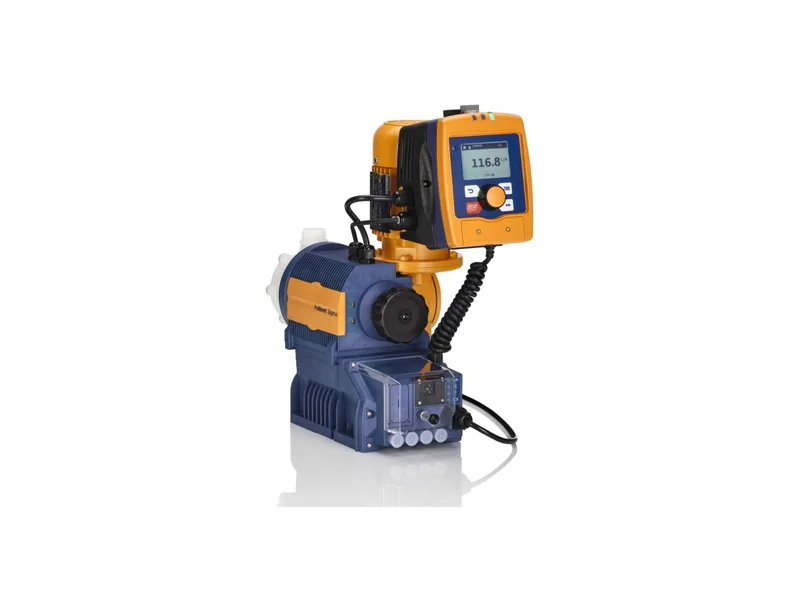
The night shift calls: the pump has stopped again. Reset, it runs, and two hours later it stops. When a metering pump keeps tripping, the real danger is the repeated reset, because a few of those can burn out the motor.
A trip is not the fault itself. It is a protection device doing its job. Your task is to find out which device stopped the pump and why. This article covers motor-driven diaphragm and plunger pumps and splits the causes into electrical and process groups.
First, find out what stopped the pump
Before resetting anything, look in the control panel:
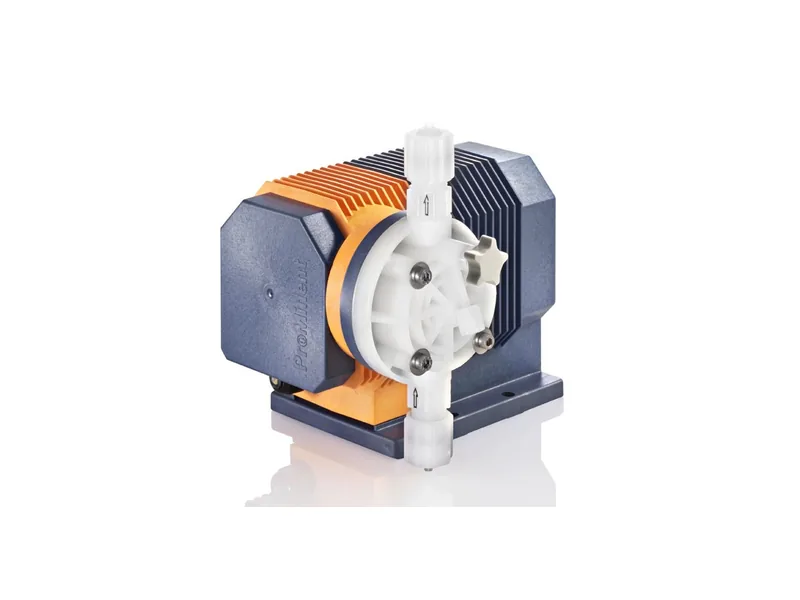
Figure 1: ProMinent alpha motor-driven diaphragm metering pump. Image source: ProMinent official website
- Has the thermal overload relay or motor protection relay tripped?
- Has the circuit breaker tripped?
- Does the VFD show a fault code?
- Does the PLC or controller show an alarm such as low level, high pressure or no flow?
If a metering pump keeps tripping, knowing which device acted narrows the search immediately. Resetting without noting it wipes out your best clue.
Electrical causes
Overload
An overload trip means motor current exceeded the setting. The cause may be the motor or the pump: high discharge pressure, a sticking drive train, or oil that is too thick or too low all raise current. Measure all three phase currents with a clamp meter and compare them with the nameplate rating.
When a metering pump keeps tripping on overload, also check the setting itself. On some sites it is set below rated current, so the pump trips as soon as it sees real pressure.
Phase loss
If a metering pump keeps tripping within minutes of a start, suspect phase loss. With one phase missing, the motor may still turn but current rises sharply and it soon trips. Burnt contactor tips, loose terminals and blown fuses are typical causes. Measure voltage and current on all three phases; a clear imbalance means checking the wiring. Our mechanical diaphragm pump wiring guide shows typical connections.
Falling motor insulation
Damp, water ingress or age lowers winding insulation, and the RCD or breaker trips. Outdoor pumps and humid chemical rooms see this most, and a metering pump keeps tripping after heavy rain is a typical sign. Test winding-to-earth insulation with a megohmmeter, then dry or repair the motor if it is low.
VFD faults
On variable-speed pumps, overcurrent, overvoltage, undervoltage or overtemperature faults all stop the motor. Read the code and follow the drive manual. Long running at low frequency also reduces cooling from the shaft-mounted fan, and the motor may overheat and trip.
Process interlock causes
Often a metering pump keeps tripping because an interlock is protecting the system, not because anything electrical is wrong:
- Low level: the tank is nearly empty and the level switch stops the pump. A dirty sensor or stuck float can trip falsely.
- High pressure: the discharge pressure switch acts because a valve is closed, the line is blocked or the injection point is scaled.
- No flow: a flow monitor sees no delivery, perhaps because the pump has lost prime or a valve ball is stuck.
- Main line stopped: the logic stops dosing when there is no process flow.
Clear the cause before resetting a process interlock, otherwise the metering pump keeps tripping on the same alarm. If the discharge valve is closed, the pump will simply build pressure again. See relief valve setting for protecting the line.
Troubleshooting sequence
- Record the alarm and the device that acted, and take a photo.
- Check that the discharge valve is open and pressure is normal.
- Measure three-phase voltage for phase loss.
- Turn the pump by hand to confirm the drive is free.
- Test motor insulation.
- Check the overload setting.
- Reset, run, measure three-phase current and watch for at least half an hour. If the metering pump keeps tripping after all seven steps, the cause is usually intermittent, and the trip log below becomes your main tool.
If the pump is also running hot, see diaphragm metering pump overheating.
Keep a trip log
On many sites a metering pump keeps tripping for weeks because each event is reset and forgotten. Hang a simple log sheet by the panel and record every trip: time, alarm, device, discharge pressure, tank level, phase currents and who reset it. After two or three weeks a pattern usually appears. If trips follow every chemical delivery, check concentration and viscosity. If they follow main-line changeovers, check the interlock logic. If they cluster in the afternoon, check cooling and ambient temperature.
When a metering pump keeps tripping, avoid these shortcuts
- Do not raise the overload setting to make the problem go away. That trades a nuisance trip for a burnt motor.
- Do not bypass interlocks. High pressure and low level protection exist to protect the pump and piping.
- Do not keep swapping contactors or relays without measuring current first.
Pumps such as the ProMinent alpha series come with clear motor current and protection settings in the manual. Set protection to the manual and the motor nameplate.
Tripping versus not dosing
Operators sometimes report a pump that is not dosing as a trip. Separate the two: a trip means the motor has stopped; not dosing means the motor runs but there is no flow. The second case points to suction, valve balls and diaphragms, which is a different investigation.
Conclusion
When a metering pump keeps tripping, treat the trip as a message from a protection device. Identify which device acted, then work through two lines of investigation: electrical (overload, phase loss, insulation, VFD) and process (level, pressure, flow and main-line interlocks). Clear the cause before resetting, keep a trip log, and never raise settings or bypass interlocks to get the pump running. A metering pump keeps tripping for a reason, and the log usually reveals it.
If you cannot find the cause on site, contact our service team.
FAQ
Can I reset straight away after a trip?
First note the alarm and the device, then confirm the discharge valve is open and there is no phase loss before resetting.
What should the overload relay be set to?
Normally the motor rated current, following the motor nameplate and pump manual.
Why does the metering pump keep tripping only during the day?
Usually temperature or load: poor motor cooling, a hot chemical room, or higher demand and pressure during the day.
Why do VFD-driven pumps trip more often?
At low frequency the motor fan turns slowly and cooling drops. A separately powered fan helps.
What if the RCD keeps tripping?
Test motor and cable insulation and check the terminal box for water before restoring power.