
Dead Heading a Plunger Pump: Damage, Causes and Protection
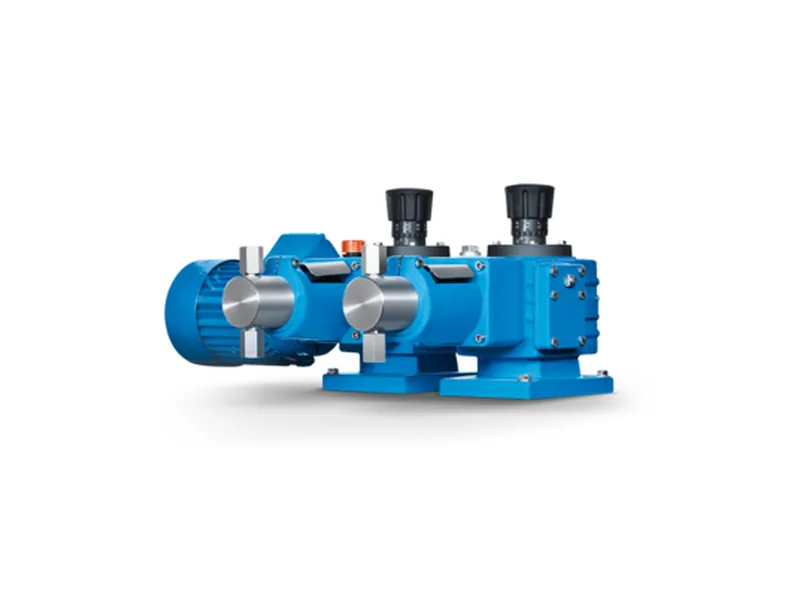
Dead heading a plunger pump means running it while the discharge valve is shut or the line is blocked. A plunger metering pump is a positive displacement machine: every stroke has to push a fixed volume out. With nowhere to go, pressure climbs with each stroke and can pass the rating of the pump head, fittings or tubing within seconds. Without a working relief valve, dead heading a plunger pump almost always breaks something. Which part fails depends only on which one is weakest.
That is the key difference from a centrifugal pump. A centrifugal pump against a closed valve stops at its shut-off head and simply heats up. A plunger pump has no such ceiling, which is why every operating procedure says "open the discharge valve before you start the pump". This article is for operators and design engineers who want to understand the consequences and the right protection.
What Happens When Dead Heading a Plunger Pump
As pressure rises, events usually follow this order:
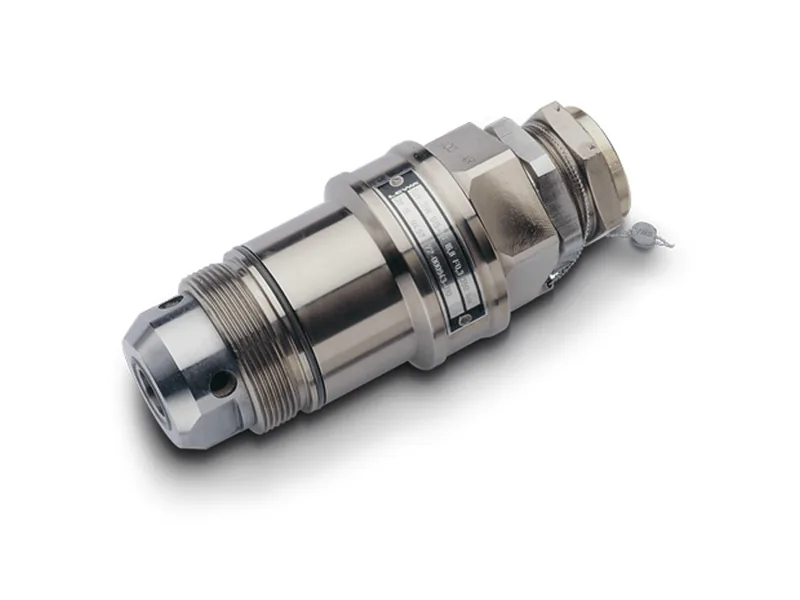
Figure 1: LEWA 力华 ecoflow metering pump pressure relief valve. Image source: LEWA 力华 official website
- The discharge gauge climbs fast and the stroke sound becomes dull and heavy.
- Motor current rises and the gearbox starts to labor.
- The packing begins to leak or spray chemical. The stuffing box is often the first place to give way.
- The relief valve lifts, or the weakest joint, hose or plastic fitting ruptures.
- If everything holds, the motor trips on overload, or the connecting rod, crosshead or worm gear takes a shock load.
Steps three and four are the dangerous part of dead heading a plunger pump. High-pressure acid, caustic or solvent spraying from a packing gland or a split fitting can seriously injure anyone standing nearby.
Common Causes of Dead Heading a Plunger Pump
A discharge valve left shut
Forgetting to reopen a valve after maintenance is the classic route to dead heading a plunger pump. On duty and standby pumps, switching pumps without switching valves has the same result: the new pump starts against a closed discharge valve.
Blocked lines and injection points
Crystallizing chemicals and slurries build up in injection quills, check valves and small-bore tubing. The pressure creeps up over days, so the problem is easy to miss until something fails. Phosphate, lime slurry and polymer lines need regular attention.
A stuck back pressure valve or reversed check valve
A back pressure valve with a stuck diaphragm or a rusted spring, or a check valve installed backwards, acts exactly like a closed valve. Reversed check valves are surprisingly common on new piping; see our guide on check valve installation direction.
How to Recognize It on Site
The gauge tells you first. In normal operation the needle swings a little with every stroke. When you are dead heading a plunger pump, the needle keeps rising and never falls back. Add a dull stroke sound and higher than normal motor current and the diagnosis is clear. Stop the pump, but do not open a fitting yet. The line still holds pressure. Relieve it through a drain or the relief valve first, then check the valves. Wear a face shield and chemical gloves.
Overpressure Protection That Actually Works
A discharge relief valve
The relief valve belongs between the pump outlet and the first isolation valve, with no valve of any kind between it and the pump. Set it above normal working pressure and below the rating of the pump and piping. Route the return line back to the tank and keep that line clear. For the difference between the two valve types, read relief valve vs back pressure valve.
LEWA lists pressure protection as part of the ecoflow pump configuration, and it is easier to specify it with the pump than to add it after commissioning.
Pressure gauge and pressure switch
A dampened gauge at the discharge lets operators see trouble at a glance. On critical duties, add a pressure switch or transmitter that stops the pump and raises an alarm on high pressure. An interlock is far more reliable than rounds.
Motor overload protection
Set the overload relay to the motor's rated current. Do not raise it to avoid nuisance trips. It is the last line of defense: it will not save the packing or the piping, but it protects the drive.
Procedures and lock-out tags
Confirm the discharge valve is open before every start, tag any valve closed for maintenance, and record valve positions at shift handover. Simple habits prevent most cases of dead heading a plunger pump.
Checks After an Overpressure Event
Even if the pump still runs, inspect it after dead heading a plunger pump: packing extrusion, cracks in the pump head or valve seats, bulging hoses or fittings, gearbox noise and metal particles in the oil. If the relief valve lifted, confirm it reseats and that the set point has not drifted. Repeat a dosing line pressure test if in doubt.
Conclusion
Dead heading a plunger pump drives pressure far above the rating in a very short time, with outcomes ranging from packing spray to a burst line or a damaged drive. The fix is a correctly placed relief valve, a gauge and high-pressure interlock, a strict open-before-start habit, and regular cleaning of injection points that tend to scale. To compare pumps with integrated protection, see our plunger metering pumps and the LEWA pump range, or contact our engineers with your pressure and fluid data.
FAQ
Can a few seconds of dead heading a plunger pump cause damage?
Yes. Pressure rises with every stroke, and without a relief valve it can exceed the fitting rating within seconds. Stop the pump as early as possible.
The relief valve lifted. Is the pump still usable?
Usually yes, after you remove the cause, confirm the valve reseats and check the packing for leaks.
Do plunger metering pumps come with a built-in relief valve?
It depends on the model and options. Some include one, others need a separate valve on the discharge line, so confirm at the quotation stage.
Can the relief valve return line go to the pump suction?
It can, but the suction side must handle that flow and frequent lifting will heat the recirculated liquid. Returning to the tank is the more common design.
Can I restart right after an overload trip caused by dead heading a plunger pump?
No. Find out whether the discharge was closed, relieve the pressure and open the valve first, or the pump will overpressure again.