
Explosion Proof Metering Pump Selection: Zones, Motors, Heads
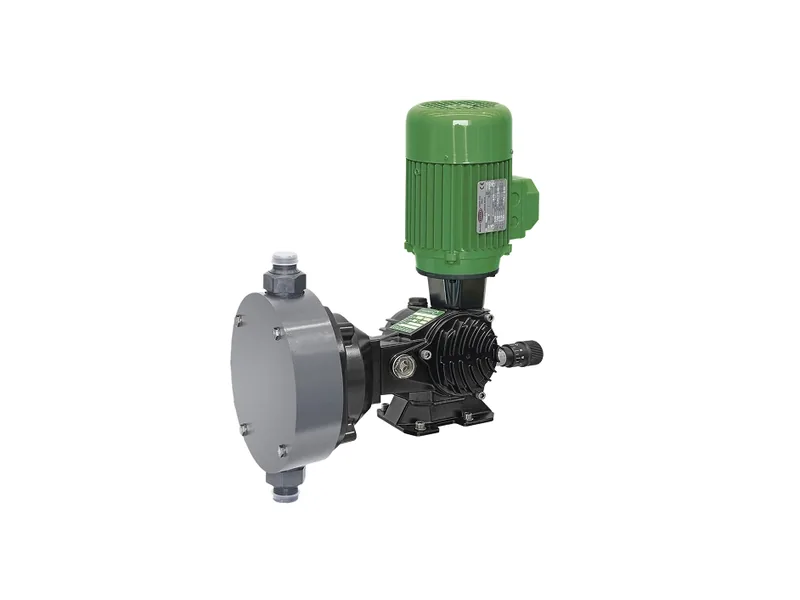
An explosion proof metering pump is more than a standard pump with an Ex motor bolted on. Until you know the zone, the gas group and the temperature class at the pump location, no amount of hydraulic sizing will get the unit through site acceptance.
Chemical plants, oil and gas facilities, pharmaceutical sites and solvent recovery units nearly all need hazardous area dosing. This guide follows the order in which we work through an explosion proof metering pump specification.
Start with the hazardous area classification
Get the area classification drawing first and find where the pump will sit. Every later explosion proof metering pump decision depends on it. Under the IEC and ATEX zone system:
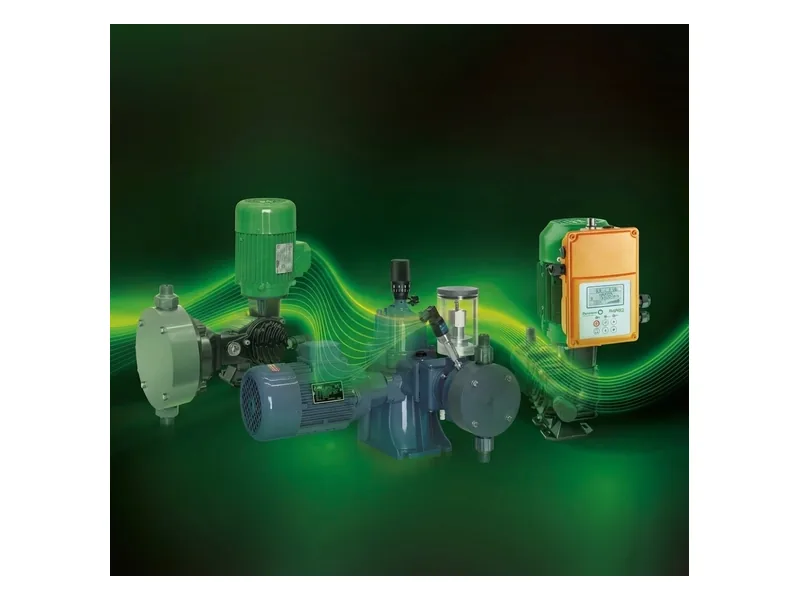
Figure 1: Doseuro metering pump range. Image source: Doseuro official website
- Zone 0: explosive atmosphere present continuously or for long periods, usually inside tanks. Pumps rarely go here.
- Zone 1: likely to occur in normal operation, for example near loading points or sample connections.
- Zone 2: not likely in normal operation, and short-lived if it does occur. Most pump rooms fall here.
North American projects may use Class I Division 1 and Division 2 instead, or zones under NEC 505. Classification belongs to the process safety team, not the pump vendor. If the drawing does not exist, ask the engineering contractor rather than guessing.
Gas groups and temperature classes
Gas groups run IIA, IIB and IIC, with IIC the most demanding because it covers hydrogen and acetylene. Temperature classes run from T1 to T6, with T6 allowing the lowest surface temperature.
Hydrogen peroxide, methanol and solvent duties often call for IIB or IIC with T3 or T4. Put zone, group and T-class on the enquiry so the supplier can quote an explosion proof metering pump that actually matches.
Choosing the explosion proof metering pump drive
Most solenoid metering pumps are not certified for hazardous areas, so an explosion proof metering pump is normally a motor-driven diaphragm or plunger pump with a flameproof motor. Doseuro offers ATEX versions across its ranges with hazardous-area motors; see the Doseuro range. ProMinent offers explosion-proof motor versions of motor pumps such as the Sigma/1, listing optional ATEX II 2G Ex h IIC T3/T4 Gb X marking.
That Ex h marking makes an important point: certification is not just about the motor. The mechanical pump itself needs non-electrical equipment certification. A certified motor on an uncertified pump will not pass a strict audit.
When power is unavailable
Remote wellsites and skid packages sometimes use pneumatic or gas-driven pumps, removing electrical hazards entirely. The trade-off is less precise flow control and higher energy use than an electric explosion proof metering pump.
Controls and accessories
Many projects fail acceptance on accessories, not on the pump. For an explosion proof metering pump package, check:
- Stroke actuators and variable speed drives are either Ex-rated or mounted in the safe area with signals routed in.
- Level switches, flow meters and pressure transmitters meet the same rating, usually intrinsically safe.
- Cable entries use certified glands with seals matched to cable diameter.
- Any Ex motor run on a variable frequency drive is certified for inverter duty.
Our Doseuro wiring guide covers hazardous area cable entry in more detail.
Liquid end materials and static
Flammable solvents tend to have low conductivity and build static charge as they flow. Liquid ends and piping must allow for this:
- Stainless steel heads are the simplest choice and easy to bond to earth.
- Plastic heads need checking against zone requirements, and conductive grades may be needed.
- Bond the skid, piping and flanges to earth and test resistance to the applicable standard.
Where the chemical is also corrosive, balance material compatibility against static control. Room layout, ventilation and venting are covered in our hydrogen peroxide dosing room article.
Certificates and lead times
ATEX covers Europe and IECEx is widely accepted elsewhere, but many countries add national schemes, and North America typically wants UL, CSA or FM listings. Confirm which certificates the explosion proof metering pump will ship with before ordering, since adding them later is slow and expensive.
Lead time is the other practical issue. Ex motors and accessories are often sourced separately, so an explosion proof metering pump usually takes longer to deliver than a standard unit. Build that into the schedule, and freeze the explosion proof metering pump specification early so motors can be ordered in parallel with the pump heads.
Common mistakes
Reading only the motor nameplate. An Ex d motor on a pump with an uncertified head and actuator is not an explosion proof assembly.
Specifying the highest rating by default. IIC T6 narrows the choice and extends lead time. Match the real duty.
Ignoring maintenance. After a terminal box or flameproof joint is opened, bolts and seals must go back exactly as designed. Have a competent person inspect after each repair.
Conclusion
Choose an explosion proof metering pump in this order: confirm the zone from the classification drawing, set gas group and T-class from the process data, select an Ex motor or air drive, check the pump mechanics carry their own certification, then bring actuators, instruments, cable entries and earthing up to the same level. Finally, confirm certificates for the destination country and allow for longer lead time.
Send us your area classification and fluid data and contact our team to check a hazardous area dosing package.
FAQ
What makes a metering pump explosion proof?
The motor, the mechanical pump and the electrical accessories are designed and certified for the hazardous area. The hydraulic principle is the same as a standard pump.
Can solenoid dosing pumps be used in Zone 1?
Most cannot. Motor-driven diaphragm pumps or pneumatic pumps are usually chosen, unless a specific solenoid model carries hazardous area certification.
Does Zone 2 require certified equipment?
Yes. Zone 2 is still a hazardous area, and electrical equipment there must meet a suitable protection level.
Can an Ex motor run on a VFD?
Only if it is certified for inverter duty. A standard Ex motor on a VFD may not be compliant.
Are plastic pump heads allowed in hazardous areas?
It depends on the material and zone. With flammable solvents, static is the concern, so conductive grades or stainless steel heads are often preferred.