
Metering Pump Material Compatibility: PVC vs PVDF vs 316L Heads
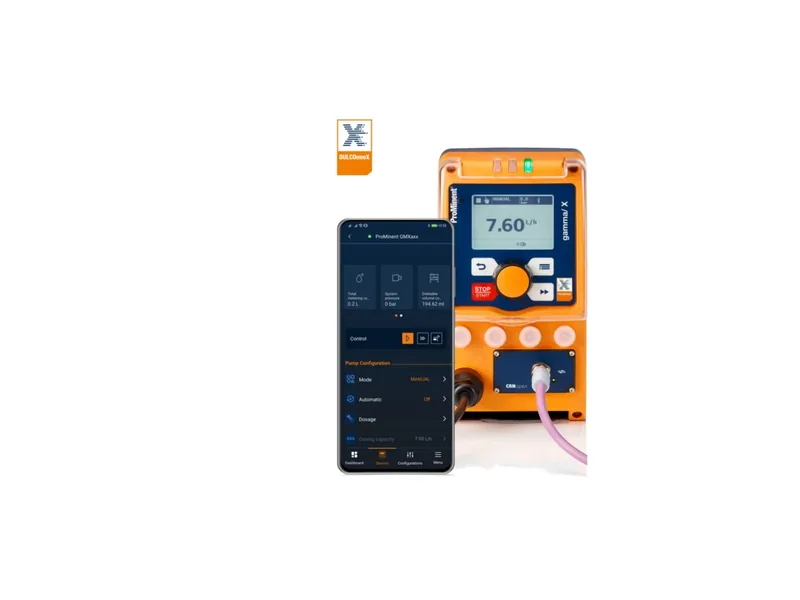
Metering pump material compatibility is a matching exercise, not a single choice. You write down the chemical, its concentration range, the maximum temperature and the line pressure, then check every wetted part against the manufacturer's chemical resistance chart. A pump with a PVDF head can still leak if its seals are wrong, so the head is only one line on the checklist.
This guide is for engineers and buyers who need a repeatable way to review metering pump material compatibility before ordering. It explains how to read a material code, where PVC, PVDF and 316L stainless usually fit, and the mistakes we see most often on site. For any specific chemical, the brand's resistance chart has the final word.
Metering pump material compatibility covers four parts
When someone asks for an "acid-resistant pump", they usually mean the head. In practice, four groups of parts touch the liquid: the dosing head, the suction and discharge connectors, the valve seats and balls, and the seals. The diaphragm face is typically PTFE coated, and it deserves its own check too.
ProMinent builds this logic into the material code of its gamma/X solenoid pump. According to the official product page, the main combinations are:
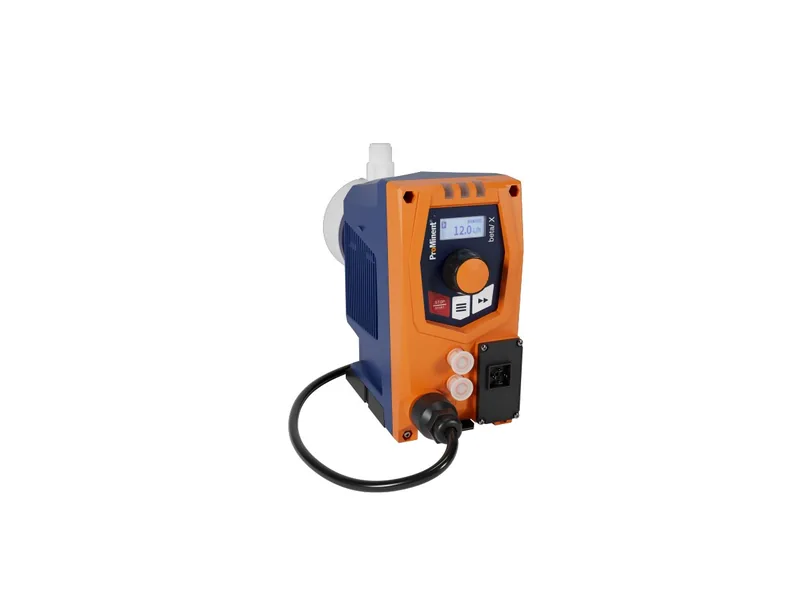
Figure 1: ProMinent beta/X solenoid metering pump. Image source: ProMinent official website
- PVT: PVDF head, PVDF connector and seat, PTFE seals, ceramic balls
- PPE: PP head and connector, EPDM seat and seals, ceramic balls
- PPB: PP head and connector with FKM seat and seals
- NPE and NPB: clear acrylic head, PVC connector, EPDM or FKM seals
- SST: 1.4404 stainless steel (316L equivalent) head and connector, PTFE seals
- TTT: carbon-filled PTFE head and connector, PTFE seals
Two pumps with the same PP head can suit completely different chemicals, simply because one uses EPDM and the other FKM. For metering pump material compatibility, read the full code, not just the first letter. Our ProMinent model code guide explains the rest of the identity code.
PVC, PVDF and 316L: typical boundaries
The points below are general experience. They help narrow the field, but they do not replace a metering pump material compatibility check against the chart.
PVC is cheap and easy to machine. It handles most dilute acids, dilute alkalis and flocculants at room temperature. Its weak spots are temperature and organic solvents. The Cheonsei KD catalog, for example, rates PVC liquid ends at 0 to 50 °C, and other brands sit in a similar range.
PVDF offers better oxidation resistance and a higher temperature limit than PVC, which is why it is often chosen for sodium hypochlorite and many mineral acids. It is not universal, though. Hot, strong alkali can attack PVDF, so check the chart before using it on caustic.
316L stainless brings strength and heat resistance; the same KD catalog rates stainless liquid ends at 0 to 80 °C. Its big weakness is chloride. Hydrochloric acid, ferric chloride and sodium hypochlorite are usually ruled out. On the gamma/X, ProMinent also notes that the 25 bar version is only available with NP or SS heads, so pressure can narrow your material options before chemistry does.
For a wider comparison of plastic and steel heads, see our corrosion-resistant dosing pump selection guide.
A four-step metering pump material compatibility review
This is the order we follow when reviewing a project. Skipping a step is where most failures start.
- Record the full chemical data: name, concentration range, peak temperature, and any contaminants, such as traces of chloride in recovered acid.
- Open the brand's resistance chart and tick each line: head, seat, seal, ball. If any line says "conditional", find out what the condition is.
- Check pressure and temperature together. A material that is fine at room temperature may not be at 40 °C, and plastic threaded ports have their own pressure limits.
- Look at the installation. Direct sun ages some plastics, and a clear acrylic head shows gas bubbles but does not tolerate solvents.
Concentration is the step people skip
The same chemical can give opposite answers at different strengths. Sulfuric acid is the classic case: its attack on metals and plastics does not change in a straight line as concentration changes. That is why a metering pump material compatibility request should give a concentration range, not just the chemical name.
Common metering pump material compatibility mistakes
The first mistake is changing the head but not the seals. A pump runs caustic on a PPE configuration, the duty switches to hypochlorite, only the head is swapped, and the EPDM seals swell and weep within weeks.
The second is forgetting the flushing liquid. Water or another chemical used to flush the line mixes with the original product, creating a condition the chart did not cover. Include flushing media in your metering pump material compatibility review.
The third involves the valve balls. Ceramic balls resist a wide range of chemicals, but fluorinated media generally call for a different material. Cheonsei also separates ceramic and stainless ball options; compare them in our Cheonsei KD wetted materials guide.
One newer factor in metering pump material compatibility is fluoropolymer restrictions. ProMinent's site shows a PFAS-free beta/X variant, the PEP configuration with a PE head and full PE diaphragm. If your project limits fluorinated materials, raise it at the quotation stage.
Conclusion
Metering pump material compatibility has no universal answer, only a reliable method: split the wetted parts into four groups, check each one against the brand chart with concentration, temperature and pressure in hand, and question every conditional rating. PVC suits cool, dilute duties, PVDF covers more ground but needs a chart check for alkali, and 316L handles heat and pressure while avoiding chloride. Browse our solenoid metering pumps or the ProMinent range, then send your chemical data to contact our engineers for a line-by-line review.
FAQ
Why does a PVDF head pump still leak?
Usually the seals or seats are the problem. The head may be fine while EPDM or FKM seals swell in that chemical.
What is a clear acrylic head good for?
You can see gas bubbles in the chamber, which helps during commissioning. It does not tolerate organic solvents.
Is 316L stainless the most corrosion-resistant option?
No. It is strong and heat tolerant, but chloride media such as hydrochloric acid are usually excluded.
What should I do with a "conditional" rating?
Ask for the condition, typically a temperature or concentration limit. If your duty exceeds it, move to the next material.
If the chemical changes, must the head change too?
Run a fresh metering pump material compatibility check for the new chemical. Often it is the seals that need replacing, not the head.