
Ferric Sulfate Dosing System Design: Materials, Pumps and Clog Control
A ferric sulfate dosing system has to be designed around the chemical, not around the pump catalog. Ferric coagulants, including polyferric sulfate (PFS), are acidic and eat carbon steel, they hydrolyze and drop a rust-colored sludge if you dilute them too far, and powdered grades leave insoluble grit in the make-up tank. Get the materials, the dilution and the anti-clogging details right and the skid runs quietly for years. This guide is written for plant designers, contractors and operators running coagulant dosing at wastewater plants and water works.
What makes a ferric sulfate dosing system different from PAC
On paper, a ferric sulfate dosing system looks like any coagulant dosing package: make-up, storage, metering and injection. In practice the iron chemistry changes three things.
Corrosion comes first. Carbon steel tanks, galvanized fittings and cheap valve bodies rust through, and the rust flakes end up jammed in check valves. Next is hydrolysis. Over-diluted solution, or solution stored too long, slowly turns cloudy and settles out. Last is grit. Solid PFS usually carries a small amount of insoluble matter that collects at the tank bottom and gets pulled into the pump head.
Liquid product and powder need a different ferric sulfate dosing system layout. If you buy liquid ferric sulfate, the pump can usually draw straight from the bulk tank, or you dilute inline. If you buy powder, you need a mixing tank with an agitator and a separate day tank for the finished solution.
Material selection for a ferric sulfate dosing system
Keep carbon steel and ordinary stainless steel out of the wetted path. Ferric salts are not friendly to stainless either, and if the product carries some chloride, welds and crevices are the first places to pit. Unless the chemical supplier confirms otherwise, the safer route is plastic.
A common material set for a ferric sulfate dosing system looks like this:
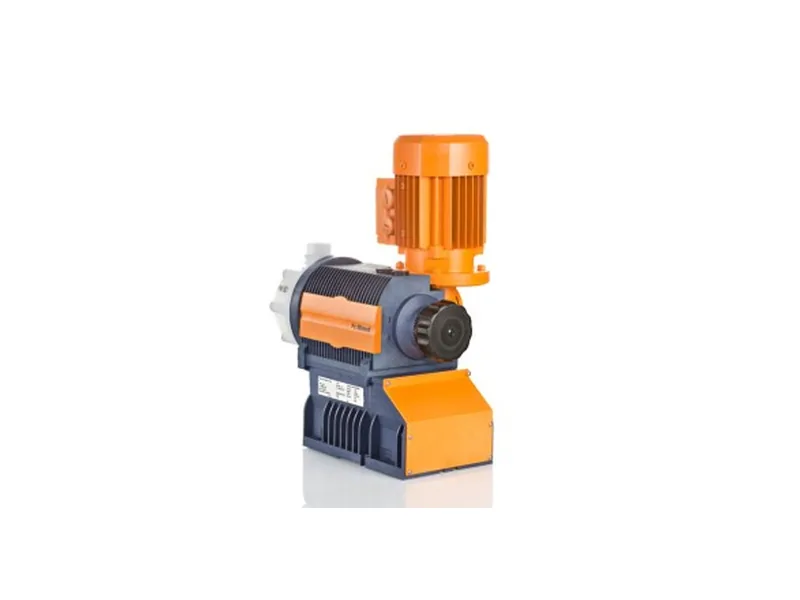
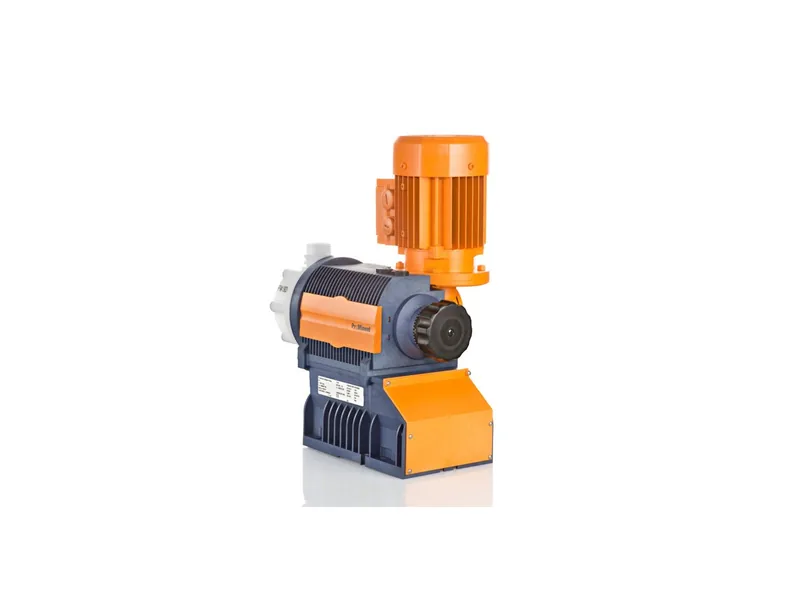
Figure 1: ProMinent Sigma/1 metering pump. Image source: ProMinent official website
- Tanks: rotomolded PE or welded PP; FRP for larger bulk storage.
- Agitator: lined shaft and impeller, or a steel shaft sleeved in PE.
- Pump head: PVC or PVDF, ceramic balls, PTFE or acid-resistant elastomer seats.
- Piping: UPVC or PE with UPVC ball valves.
PVDF costs more than PVC but handles heat and abrasion better. In a hot dosing room, or in a ferric sulfate dosing system handling gritty solution, PVDF heads are worth it.
Dilution limits in PFS feed
This is where most ferric sulfate dosing system problems start. Operators sometimes mix the solution very weak because it makes the pump easier to tune, then find a layer of yellow mud in the day tank two days later, with the foot valve and strainer blocked first.
Follow the concentration range on the supplier data sheet instead of guessing. Mix what you will use in a reasonable period rather than a huge batch. Use clean potable or service water for make-up; reuse water with high alkalinity or suspended solids makes the solution hydrolyze early.
For powder, run the agitator long enough to fully dissolve, then let the solution settle before pumping. Put the pump suction outlet above the tank floor so there is a sludge zone below it, and give the tank a separate bottom drain you can open on a schedule.
Choosing the pump for a ferric sulfate dosing system
For low flow and modest pressure, a solenoid diaphragm metering pump is usually enough. For higher flow or continuous duty, a motor-driven mechanical diaphragm pump is the better fit. Plunger pumps are a poor match here, because fine grit wears the plunger and packing, and leaking acid then attacks the pump frame.
Take the ProMinent Sigma/1 motor-driven diaphragm pump as an example. Its official page lists a PVT liquid end with a PVDF dosing head, PTFE seats, ceramic balls and an integral relief valve, which is a sensible combination for acidic iron salts. Whatever brand you pick, check the wetted materials table line by line against your chemical. The logic for head material and flow sizing is the same as in our coagulant dosing pump selection guide for PAC.
Size the pump so the maximum dose sits in the middle of the stroke range, not at the top. Accuracy and turndown are both better there.
Keeping the ferric sulfate dosing system from clogging
Blocked lines are the number one service call on a ferric sulfate dosing system. A few extra connections at the design stage save a lot of site visits later.
- Fit a Y-strainer on the pump suction with isolation valves on both sides, so the screen can be cleaned without draining the line.
- Keep the discharge line short with few elbows, and give horizontal runs a slight fall so solution drains when the pump stops.
- Add clean-water flush connections at the pump discharge and near the injection point, and flush before any long shutdown.
- Use an acid-resistant injection quill that reaches the pipe centerline, so solution does not run along the wall and scale it.
For pipe material choices, see our notes on coagulant dosing line material. Ferric is typically more corrosive than PAC, so carbon steel pipe is simply off the list.
Winter and summer issues
Cold weather raises viscosity, suction losses climb, and the pump can starve, so insulate or heat-trace exposed lines. Hot weather speeds up hydrolysis, so shorten storage time and keep tanks out of direct sun.
Troubleshooting a ferric sulfate dosing system
If the pump strokes but nothing comes out, check the strainer and foot valve for grit first, then look for gas in the head. If output keeps falling, the balls and seats have usually picked up a rust-colored scale; soak them in dilute acid and rinse with clean water. Our dosing system troubleshooting guide walks through the tank, mixer, level, pump and line checks in order.
Before opening a pump head, stop the pump, relieve line pressure, and wear acid-resistant gloves and goggles.
Conclusion
A ferric sulfate dosing system stays reliable when three things are in place: every wetted part is acid-resistant plastic or PVDF, the solution is mixed at the supplier's recommended strength and used fresh, and strainers, flush points and a sludge drain are designed in from day one. Use a solenoid pump for small flows, a mechanical diaphragm pump for larger continuous duty, and skip plunger pumps. Browse our dosing skid packages and the ProMinent pump range, then send your flow, dose rate, product form and site temperature to contact our engineers for a configuration check.
FAQ
Can PFS and PAC share one ferric sulfate dosing system?
It is not recommended. Mixing the two can form precipitate, so if you switch products, flush the tank, pump and lines thoroughly first.
Should liquid ferric sulfate be diluted before dosing?
It depends on dose and pump size. At very small doses you can pump neat product with a small pump; at larger doses inline dilution works, but keep the ratio moderate.
How often should the pump diaphragm be replaced?
There is no fixed interval. It depends on run hours, grit content and temperature, so inspect it at the annual service and replace it if you see scoring or blistering.
Is a stainless steel tank acceptable for ferric sulfate?
Generally no. Iron salt solutions can corrode stainless, especially at welds, so PE or PP tanks are the safer choice.
Why is there always sludge at the bottom of the day tank?
Usually the solution is too weak or the make-up water is poor. Check both, drain the sludge regularly, and keep the pump suction above the tank floor.