
PCB Etchant Replenishment: Control Signals and Dosing Pumps
PCB etchant replenishment decides whether etch rate holds steady and whether line width stays in control. The principle is simple: measure which property of the bath has drifted and add the chemical that corrects it. Acid cupric chloride etchant is usually controlled on three signals (ORP, acidity and specific gravity) that drive oxidant, hydrochloric acid and water. Alkaline ammoniacal etchant is mainly controlled on specific gravity, which triggers replenisher feed and overflow. This guide is for process engineers and maintenance staff on PCB etching lines. It covers principles and hardware; actual setpoints come from your chemistry supplier's operating window. Central dosing at the wastewater plant is a separate topic.
Why etchant needs constant replenishment
Every gram of copper etched off the panel changes the bath a little, and PCB etchant replenishment has to put it back.
In acid cupric chloride etchant, cupric ions dissolve copper and turn into cuprous ions. As cuprous builds up, etch rate falls. Adding oxidant and hydrochloric acid converts cuprous back to cupric, which is what regeneration means here. Total copper also climbs, raising specific gravity, so part of the bath must be bled off and replaced with water.
Alkaline ammoniacal etchant holds copper as an ammonia complex, and oxygen from air takes part in regeneration. Copper rises and ammonia evaporates, so the line needs replenisher (ammonia and ammonium chloride solution) while excess spent etchant overflows to recovery.
Manual titration and hand dosing leave long gaps and large swings, which is why most lines now run automatic PCB etchant replenishment.
Signals for acid cupric chloride etchant
ORP drives the oxidant
ORP tracks the ratio of cuprous to cupric copper. When cuprous rises, ORP drops and the controller starts the oxidant pump, typically hydrogen peroxide or sodium chlorate. Electrode installation and care follow the same rules as in water treatment; see ORP controlled dosing.
Acidity drives hydrochloric acid
Regeneration consumes acid, and low acidity also slows etching, so acid is the second leg of PCB etchant replenishment. Some lines use online titration; others infer acidity from conductivity, which only works while copper content stays fairly stable. Low acidity starts the acid pump. Hydrochloric acid fumes and gas-locks pump heads easily, as covered in hydrochloric acid metering pump selection.
Specific gravity drives water addition
In a cupric chloride bath, specific gravity mostly reflects copper content. When it reads high, the PCB etchant replenishment system adds water and overflows some bath; when it reads low, water addition pauses. Float, differential pressure and vibrating density meters are all used, depending on tank layout and how the plant likes to maintain instruments.
These signals interact. Acid addition shifts specific gravity slightly, so a good PCB etching chemistry controller assigns priorities and sequences rather than letting three pumps fight each other.
PCB etchant replenishment on alkaline lines
On ammoniacal lines, PCB etchant replenishment runs mainly on specific gravity. When it reaches the upper limit, the replenisher pump starts, fresh solution pushes spent etchant out through the overflow, and the pump stops once gravity falls back. Ammonia in the replenisher usually holds pH, though some lines also monitor pH and add ammonia separately.
Ammoniacal etchant gives off ammonia vapor, so put the replenishment pumps in a well-ventilated spot, keep replenisher tanks closed and vented. Density meters crystallize; clean them on a schedule, or a drifting signal will make the whole line overdose or underdose.
Pumps and wetted materials
Flow rates for PCB etchant replenishment are usually small, but the chemicals are aggressive. Solenoid diaphragm metering pumps are the common choice because they start, stop and pace easily from external signals.
For PCB etchant replenishment pumps, check materials chemical by chemical:
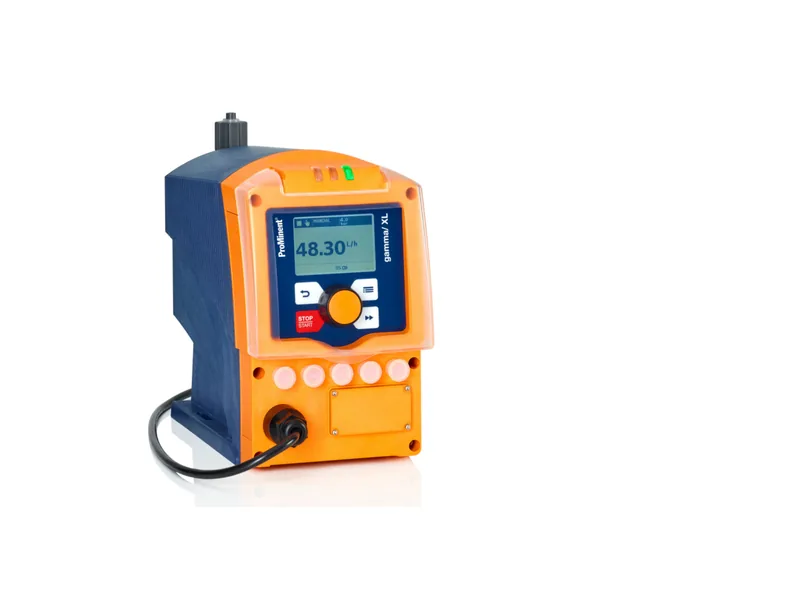
Figure 1: ProMinent gamma/XL solenoid metering pump. Image source: ProMinent official website
- Hydrochloric acid and cupric chloride: PVDF or PVC heads and lines, PTFE-faced diaphragms.
- Hydrogen peroxide: it decomposes and gasses, so use a self-degassing head and avoid high points in the line.
- Sodium chlorate: a strong oxidizer; choose head and seal materials from the supplier's compatibility data.
- Ammonia and replenisher: PP or PVDF heads, and watch for vapor entering the suction line.
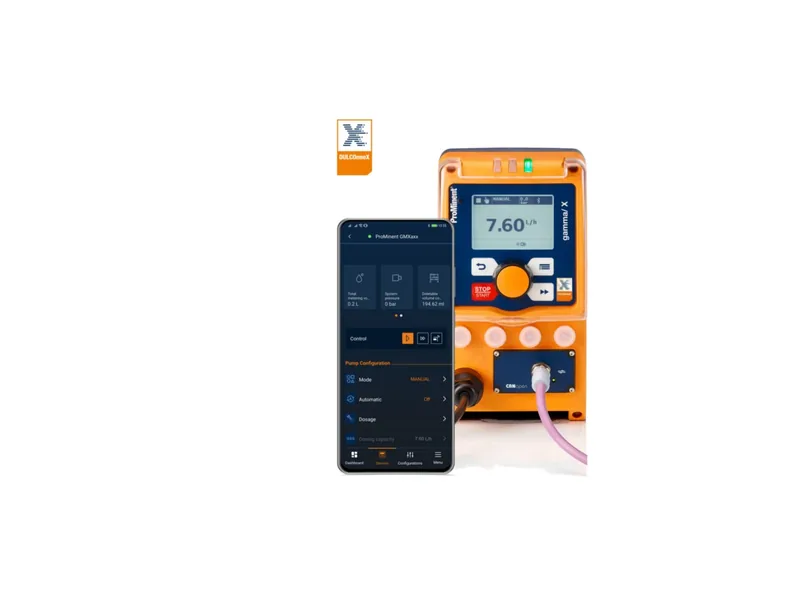
ProMinent gamma/X and gamma/XL are widely used solenoid metering pump series that accept external control signals; select the head material for each chemical. More models are listed under solenoid metering pumps.
Never let sodium chlorate and hydrochloric acid mix in a tank or shared line. Together they release toxic gas. Run separate lines and inject them separately into the bath. Stop the pump and relieve pressure before opening heads or flushing lines, and wear a face shield and acid-resistant gloves.
Preventing overdosing
In PCB etchant replenishment, overdosing causes more trouble than underdosing. Excess oxidant can release chlorine from an acid bath; excess replenisher wastes chemistry and increases spent etchant volume. Common safeguards in an automatic etchant dosing system:
- Dose in pulses with pauses so the bath mixes before the next reading, which avoids overshoot from signal lag.
- Set a maximum run time per dosing cycle for every pump, with an alarm and stop on timeout, so a failed electrode cannot keep a pump running.
- Interlock replenishment with the etcher run signal so dosing stops when the line stops.
- Verify ORP electrodes and density meters regularly; if a signal looks wrong, switch to manual and titrate first.
Place PCB etchant replenishment sensors where the bath circulates, not next to the dosing inlet. Otherwise they read freshly added chemical instead of the bath.
Conclusion
Good PCB etchant replenishment comes from the right signals, clear control logic and corrosion-resistant pumps. For acid cupric chloride, ORP drives oxidant, acidity drives hydrochloric acid and specific gravity drives water. For ammoniacal etchant, specific gravity drives replenisher feed and overflow. Use chemically resistant solenoid diaphragm pumps, design out gas locking on peroxide, keep chlorate and acid apart, and add pulse dosing, timeouts and run interlocks. Send us the etchant type, dosing rates, control signals and tank layout, and contact our engineers to match pumps and controls.
FAQ
Hydrogen peroxide or sodium chlorate as the oxidant?
Both are common; it depends on the process and the chemistry supplier. Peroxide needs gas-lock protection, and chlorate must be stored and piped away from acid.
What happens if the density meter drifts?
Copper content goes out of control. A low reading cuts water addition and etch rate drops; a high reading adds too much water and wastes chemistry.
Does automatic PCB etchant replenishment remove the need for titration?
No. Online signals handle daily control, while regular titration checks the signals. When they disagree, trust the titration and inspect the sensors.
Can one pump dose two chemicals?
No. Give each chemical its own pump and line to avoid reactions and keep dosing and interlocks independent.
Why does the PCB etchant replenishment pump keep losing prime?
Usually gas locking. Peroxide and hydrochloric acid both gas off in the head; use a self-degassing head and remove high points from the suction line.