
Pharmaceutical Purified Water System: Pretreatment Chemical Dosing
In a pharmaceutical purified water system, every chemical is added in pretreatment, before the reverse osmosis membranes. Nothing is dosed into the purified water after RO and EDI. There are usually four dosing points: sodium hypochlorite in the raw water tank to control microbes, sodium bisulfite ahead of RO to remove chlorine (or an activated carbon filter instead), antiscalant to prevent scaling, and caustic soda between the two RO passes to adjust pH. This guide is for plant engineers, utilities teams and the integrators who build pharmaceutical water skids.
Where the dosing points sit in a pharmaceutical purified water system
A typical pharmaceutical purified water system runs raw water tank, multimedia filter, activated carbon filter or reducing agent dosing, softener, cartridge filter, double-pass RO, EDI, then the PW storage tank and distribution loop. All purified water pretreatment dosing happens in the first half of that train:
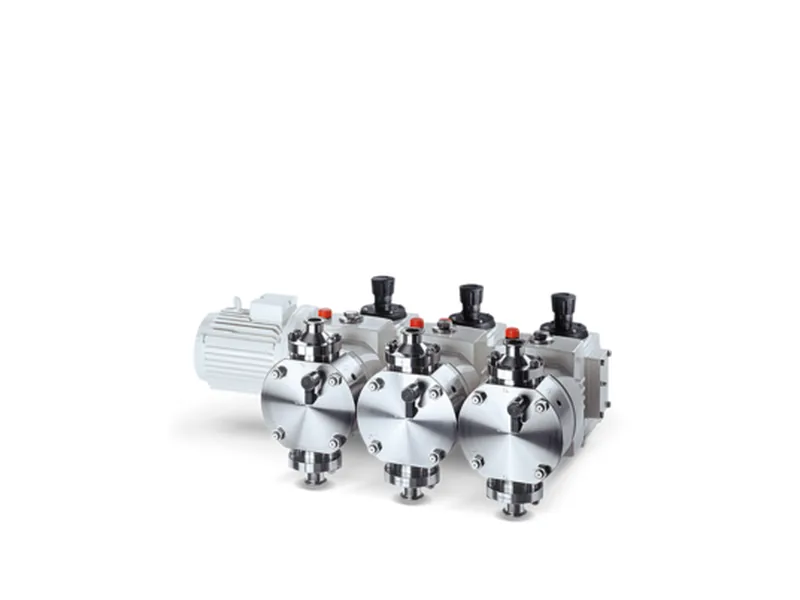
Figure 1: LEWA ecoflow sanitary/hygienic diaphragm metering pump. Image source: LEWA official website
- Raw water tank or raw water pump discharge: sodium hypochlorite keeps a chlorine residual through pretreatment.
- Ahead of the cartridge filter: sodium bisulfite reduces the residual to protect the membranes.
- RO feed: antiscalant keeps the concentrate side from scaling.
- Between first and second pass: caustic converts dissolved CO₂ to bicarbonate so the second pass can reject it, improving product conductivity.
Why chlorinate raw water in a pharmaceutical purified water system?
Municipal water arrives with a chlorine residual, but it is consumed in the raw water tank and multimedia filter, and pretreatment grows bacteria quickly in warm months. Adding hypochlorite keeps the front end protected. Dose against residual at the tank outlet: too low and microbial counts rise, too high and dechlorination has more work to do.
Hypochlorite off-gasses, so use a pump head that resists gas locking and do not store diluted solution for long. See sodium hypochlorite dosing pump selection.
Dechlorination: sodium bisulfite or activated carbon?
Polyamide RO membranes do not tolerate chlorine, so it must be removed first. A pharmaceutical purified water system typically uses one of two approaches:
- Activated carbon filter: adsorbs chlorine and organics, but the carbon bed becomes a breeding ground for bacteria and needs regular hot water or steam sanitization.
- Sodium bisulfite dosing: simple, with no stagnant bed, but solution must be mixed fresh because it oxidizes in storage.
Many plants combine the two or rely mainly on bisulfite. After dechlorination, install online ORP or chlorine monitoring interlocked with the RO high-pressure pump, so the membranes are protected if the signal goes wrong. Concentration and feed details for sodium bisulfite dechlorination for PW systems are in sodium bisulfite dosing for RO, and the difference between the two signals is explained in ORP vs residual chlorine.
Antiscalant and pH adjustment in a pharmaceutical purified water system
Antiscalant doses are small, so the pump needs low flow and good repeatability, with enough mixing distance after the injection point. See antiscalant dosing pump tips.
Caustic between the passes runs on closed-loop pH control at the second-pass feed. Pushing pH too high can scale the second-pass membranes, so take the setpoint from the membrane supplier and commissioning results.
Pharmaceutical purified water system hygiene: preventing recontamination
What separates a pharmaceutical purified water system from ordinary industrial RO is the emphasis on microbial control and traceability. On the dosing side:
- Chemical quality: grade and supplier qualification follow the site quality system, with certificates kept for each batch.
- Tanks: closed lids, vent filters on breathers and a bottom drain for cleaning.
- Pumps and tubing: wetted materials compatible with the chemical, minimal dead legs, short runs sloped to drain.
- Records: batch time, concentration, dose and instrument data must be traceable for validation and deviation investigations.
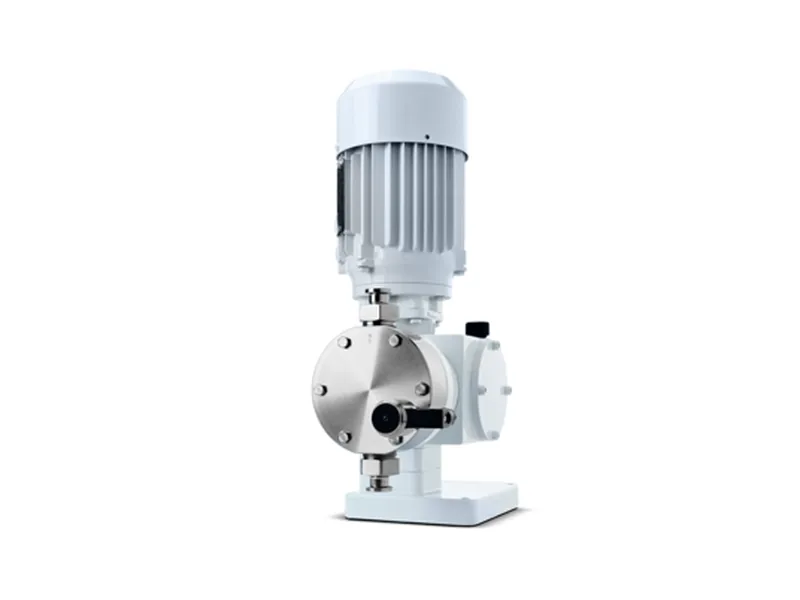
Pretreatment pumps in a pharmaceutical purified water system are usually mechanical diaphragm or solenoid metering pumps. Where cleanliness requirements are higher, consider a hygienic dosing pump. The LEWA ecodos sanitary/hygienic is a mechanically actuated low-pressure diaphragm metering pump; according to the manufacturer it has polished wetted surfaces, minimal dead space and FDA-compliant wetted parts, and mechanical actuation removes any risk of hydraulic oil reaching the fluid. See the LEWA ecodos sanitary and diaphragm pumps.
Common problems in pharmaceutical purified water system dosing
- Bisulfite is mixed in a large batch and has lost strength by the end, found only when ORP alarms.
- Hypochlorite and bisulfite injection points sit too close together, so they react before mixing and residual control wanders.
- Open chemical tanks grow algae in summer, turning the chemical itself into a contamination source.
- A dosing pump stops and nobody notices because it is not interlocked with the RO.
Wear goggles and alkali-resistant gloves when mixing hypochlorite and caustic, store them separately, and never store either near acids.
Conclusion
Chemical dosing in a pharmaceutical purified water system is confined to pretreatment: hypochlorite for microbial control, bisulfite or carbon for dechlorination, antiscalant against scaling and caustic to set second-pass pH. ORP or chlorine monitoring with an RO interlock is mandatory after dechlorination. Closed tanks, fresh solutions and traceable records keep dosing from becoming a contamination source. Send us raw water quality, production rate and dosing requirements, and contact our engineers to design the pretreatment dosing package.
FAQ
Can chemicals be dosed into the PW tank or loop for sanitization?
Generally not. PW distribution systems usually rely on hot water, ozone or UV for microbial control, as defined in the site validation plan.
If we have an activated carbon filter, do we still need bisulfite?
Not always, but many systems keep bisulfite dosing as a safeguard or backup if the carbon fails, provided ORP or chlorine monitoring is in place.
How long can sodium bisulfite solution be stored?
As short as practical. It oxidizes on contact with air, so mix small batches and schedule them by ORP readings and consumption.
Does a pharmaceutical purified water system need sanitary-grade dosing pumps?
Pretreatment usually does not require sanitary grade, but materials must be compatible and the design easy to clean with few dead legs. Process metering is better served by hygienic diaphragm pumps.
The second pass started scaling after caustic dosing. What now?
Check whether the pH setpoint is too high or the pH probe has drifted, then review antiscalant feed. Lower the setpoint if needed and schedule a chemical clean.