
Pressure Transmitter for Dosing Pumps: Monitoring, Alarms and Trips
A pressure transmitter for dosing pumps normally sits on the metering pump discharge. It turns discharge pressure into a 4-20 mA signal for the PLC, so the control system can see blockages, leaks and loss of prime, and can stop the pump before the relief valve has to lift. A local gauge only helps when someone is standing in front of it. The transmitter alarms, trends and trips. You want both, because they do different jobs. This article is for skid designers and the controls engineers who program and commission dosing panels.
Where a pressure transmitter for dosing pumps belongs
The usual layout is one pressure transmitter for dosing pumps per pump head line, between the pump discharge and the first isolation valve, close to the relief valve. That way a closed valve or plugged injector shows up immediately and is not hidden by downstream valving.
On long runs to a remote injection point, a second transmitter near the injection quill helps locate the problem. Compare the two readings and you know which section is blocked or leaking.
The suction side rarely gets a transmitter. Suction problems are better caught with low level switches and flow verification.
Discharge pressure monitoring: what the numbers mean
High and low readings point to completely different faults.
Pressure climbing. A closed discharge valve, a stuck injection check valve, crystallized chemical in the line or a plugged strainer. A metering pump is positive displacement, so it keeps building pressure against a restriction. The transmitter should alarm well before the relief valve opens.
Pressure dropping. Gas in the pump head, a ruptured diaphragm, a broken line or leaking joint, or a failed back pressure valve. If the pump is running and discharge pressure sits near zero, it is almost certainly not dosing. For hydraulic pumps, see diaphragm rupture signs.
Pressure swinging more than usual. Worn valve balls, a dead pulsation damper or poor suction. Trends reveal this far better than a glance at a gauge, which is the best reason to wire a pressure transmitter for dosing pumps into the PLC rather than rely on rounds.
Metering pump overpressure alarm and trip settings
A typical interlock set built on a pressure transmitter for dosing pumps looks like this:
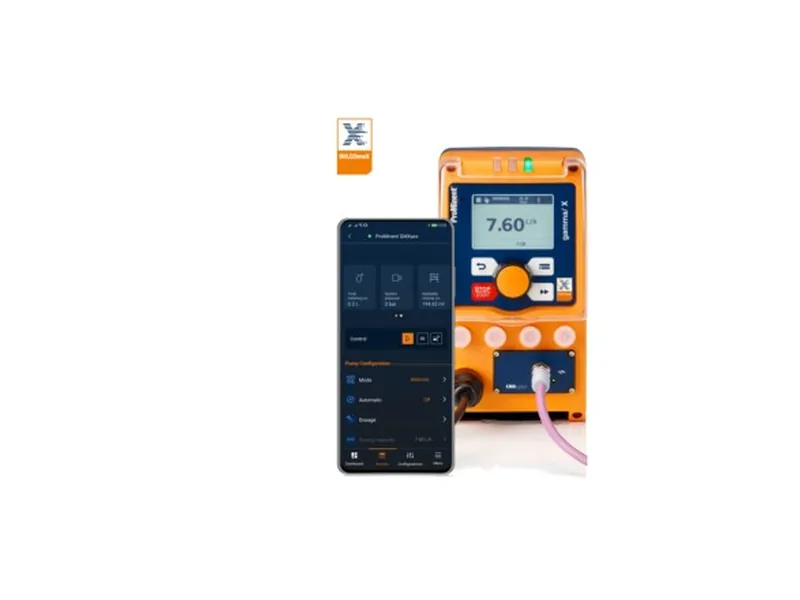
Figure 1: ProMinent gamma/X metering pump. Image source: ProMinent official website
- High alarm: discharge pressure above normal operation by a set margin. Warn the operator, keep running.
- High-high trip: pressure approaching the pump or piping rating, set below the relief valve. Stop the pump and require a manual reset.
- Low alarm: pump running but pressure below normal. Alarm after a delay to flag loss of prime or a leak.
Always add delays. Metering pump discharge pressure pulses with every stroke, and without a delay a single peak will trip the pump. At start-up the line has not built pressure yet, so mask the low alarm for a short period after each start.
The electronic trip and the relief valve are two separate layers. If the transmitter loses power or its cable is cut, the trip is gone and the relief valve is the last defense. See our article on back pressure valve vs relief valve for how the settings relate, and the dosing skid interlock list for documenting the full logic.
One easily missed detail: treat a signal below 4 mA as a wiring fault with its own alarm, not as zero pressure. Otherwise a broken wire raises a false low alarm or triggers the wrong standby changeover.
Diaphragm seals and damping for a pressure transmitter for dosing pumps
Dosing chemicals are often acids, caustic, sodium hypochlorite or coagulants that crystallize. Expose a standard transmitter diaphragm to them and it either corrodes or the pressure port plugs. The usual fix is a diaphragm seal (chemical seal) with a corrosion-resistant membrane and fill fluid transmitting the pressure. Choose PTFE, Hastelloy or tantalum to suit the chemical.
Pulsation is the other enemy. Pressure spikes on every stroke shorten transmitter life and make the zero drift. A pulsation dampener on the discharge line plus a longer damping time in the transmitter settings will steady the reading.
Choosing the range for a pressure transmitter for dosing pumps
Aim for normal operating pressure near the middle of the span. Too small a range and pulsation peaks push it over range; too wide and you lose resolution, so the low alarm gets sluggish. Make sure the overpressure rating is above the relief valve setting. Two-wire 4-20 mA is standard; on long or noisy runs use shielded cable grounded at one end.
Do small solenoid pumps need an external transmitter?
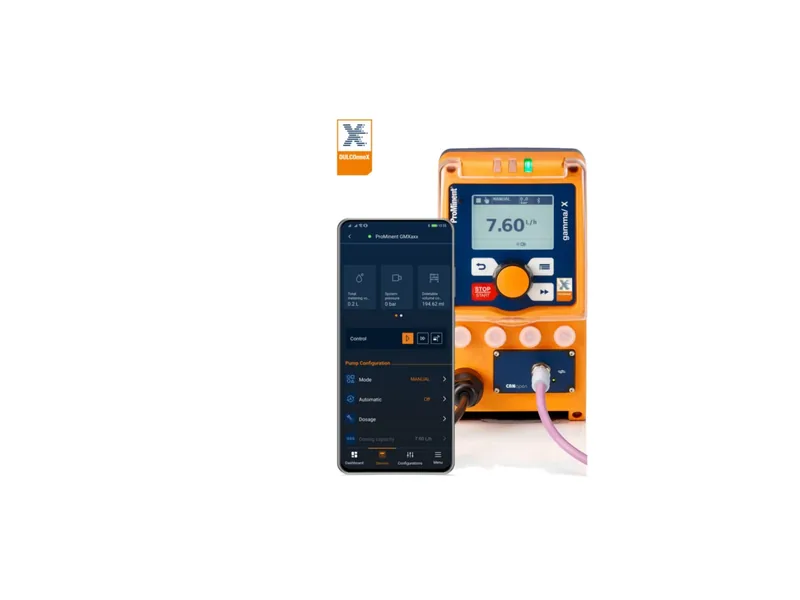
Not always. Some solenoid pumps monitor pressure themselves. ProMinent describes its gamma/X solenoid diaphragm metering pump as measuring back pressure through its solenoid control, with integrated pressure display and overload protection, and without a separate pressure sensor touching the chemical. For a single pump on a single injection point, its alarm output can go to the PLC.
For multiple pumps in parallel, long lines or plants that want pressure trends, a separate pressure transmitter for dosing pumps is still the cleaner solution. Browse our pressure transmitters or ProMinent pumps.
Conclusion
A pressure transmitter for dosing pumps earns its place through discharge pressure monitoring: high, high-high and low thresholds map to blockage, overpressure and loss of dosing, with delays and broken-wire alarms to prevent nuisance trips. Add a diaphragm seal and damping so it reads correctly and lasts. Send us the pump model, rated pressure, chemical and line length, and contact our engineers to set ranges and trip points.
FAQ
Do I still need a gauge with a pressure transmitter for dosing pumps?
Yes. The gauge is handy during commissioning and rounds, and if one device fails the other still shows pressure.
Where should the high-high trip be set?
Above normal operating pressure with margin for pulsation peaks, and below the relief valve setting. The exact value depends on the pump and piping ratings.
Why does the reading jump all the time?
Check the dampener and its precharge, then increase the transmitter damping. A tapping very close to the pump head also exaggerates the swings.
What if chemical crystals block the pressure port?
Stop the pump, isolate and depressurize, wear protective gear, then remove and clean it. Fit a diaphragm seal afterwards.
Why does a pressure transmitter for dosing pumps give low alarms at start-up?
Pressure has not built yet. Add a start-up mask on the low alarm plus a normal running delay.