
Oilfield Water Injection Chemicals: Where and How to Dose Them
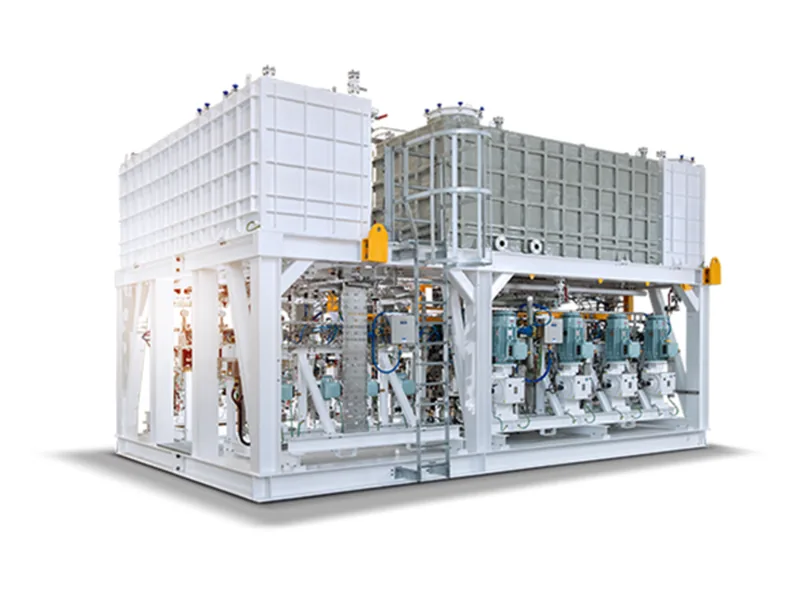
Oilfield water injection chemicals come down to three products: corrosion inhibitor to protect lines and equipment, biocide to control sulfate-reducing bacteria, and scale inhibitor to stop deposits when injection water meets formation water. Each goes in at a different point, and they are not dosed the same way. Corrosion and scale inhibitors usually run continuously, while biocide is often batch dosed. This article covers central dosing at injection and water plant stations. Single-well wellhead injection is a different topic.
Start with water quality targets
Water injection pushes oil toward producing wells and maintains reservoir pressure. The water has to enter the formation without plugging it and without eating through the pipework on the way. Operators typically watch suspended solids and particle size, oil in water, dissolved oxygen, bacteria counts, corrosion rate and compatibility with formation water.
Limits are set by reservoir permeability; tight reservoirs are far stricter. Water sources also differ: produced water, shallow groundwater and seawater each bring their own problems, so a dosing program copied from another field rarely fits. Treat oilfield water injection chemicals as a site-specific recipe. The program for oilfield water injection chemicals should be built backwards from lab results. High corrosion rate points to the inhibitor, high bacteria counts point to biocide, and a scaling tendency calls for scale inhibitor. Setting dose rates before testing the water is the most common mistake we see.
Corrosion inhibitor injection: continuous and downstream of filters
Corrosion in injection systems comes from oxygen, carbon dioxide, hydrogen sulfide and bacterial by-products. A leak on a high-pressure injection line means downtime and pipe replacement. Inhibitors form a film on metal surfaces that needs constant renewal, so among all oilfield water injection chemicals they are the most clearly continuous duty. A pump that trips overnight leaves the film unrenewed, which is why many stations install a standby pump on the inhibitor line.
The usual injection point is after the filters and before the injection pumps, at the buffer tank or the pump suction header, so the chemical reaches the whole high-pressure network. Dosing ahead of the filters lets media absorb part of the product and can upset filtration.
Many inhibitors are amine or imidazoline based and fairly viscous, especially in winter, so keep suction lines generously sized. Coupons and online probes confirm whether the dose works; see online corrosion monitoring in dosing systems.
Biocide: why batch dosing is common
Sulfate-reducing bacteria are the real troublemakers. They generate hydrogen sulfide, accelerate corrosion, and the iron sulfide they produce plugs the formation. Bacteria exposed to the same low concentration for long periods can adapt, so many operators batch dose: a high concentration over a short period at set intervals, then stop.
Batch dosing changes how you size oilfield water injection chemicals equipment:
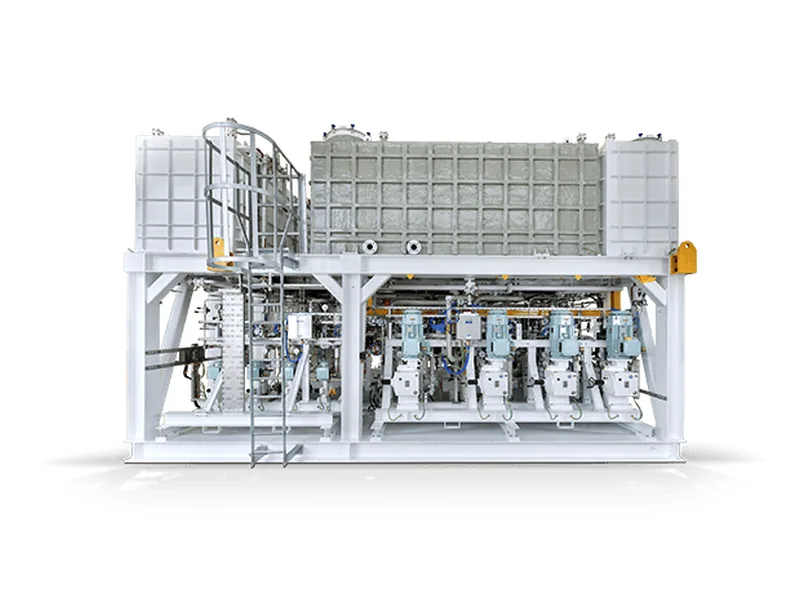
Figure 1: LEWA chemical injection package layout. Image source: LEWA official website
- Size the pump for the batch flow rate, not the daily average.
- If two biocides are rotated, give each its own pump and tank so they never mix.
- Some non-oxidizing biocides react with certain inhibitors. Run a compatibility test first.
Of the oilfield water injection chemicals, biocide normally goes in nearest the front of the plant, at the inlet or ahead of the settling tank, so it reaches the whole station.
Scale inhibitor and compatibility
When injection water mixes with formation water, barium, strontium and calcium can meet sulfate or carbonate and form barium sulfate or calcium carbonate scale. Scale near the wellbore makes injection pressure creep up until the well stops taking water.
Of the oilfield water injection chemicals, scale inhibitor is the most sensitive to injection point location. Dose it continuously and early, before heaters or booster pumps, because higher temperature and pressure raise the scaling tendency. Keep the injection quills for the different oilfield water injection chemicals spaced apart rather than bunched on one spool. Our article on antiscalant dosing systems explains how these products work.
Sizing a chemical injection skid for oilfield water injection chemicals
Stations usually dose oilfield water injection chemicals from a packaged skid: tanks, metering pumps, strainers, relief valves, back pressure valves, gauges, instruments and a control panel on one base frame. The skid is built and pressure tested in the shop, so site work is limited to connecting process lines and power. Why a packaged system beats loose pumps is covered in packaged dosing system vs a single metering pump.
Choosing the pump
If the injection point is on the low-pressure side ahead of the injection pumps, a motor-driven mechanical diaphragm pump is usually enough. If chemicals must go straight into the high-pressure discharge, the pressure can be very high and a hydraulic diaphragm or plunger pump is the right call; see how a plunger metering pump works. Most of these pumps sit outdoors, so write motor enclosure rating, hazardous area classification and winter heat tracing into the specification from day one.
LEWA chemical injection packages are one example of an engineered skid for the oil and gas industry, combining several metering pumps and storage tanks on one frame. Browse our dosing skid range or the LEWA brand page.
Conclusion
Get the water analysis first, then decide how each of the oilfield water injection chemicals goes in. Corrosion inhibitor runs continuously after the filters and ahead of the injection pumps. Biocide is often batch dosed and rotated. Scale inhibitor goes in early, based on compatibility testing. Size the skid pumps for the pressure at each injection point and specify hazardous area and winterization requirements up front. Send us your water report, injection rate and injection point pressures, and contact our engineers to configure the pumps and skid.
FAQ
Can oilfield water injection chemicals share one tank?
No. Corrosion inhibitor, biocide and scale inhibitor can react or precipitate when mixed. Use separate tanks and pumps.
How often should biocide be batch dosed?
It depends on bacteria monitoring results. If counts recover quickly, shorten the interval and consider rotating products.
Is a solenoid pump acceptable for injection stations?
For small, low-pressure points, yes. Most stations run continuously outdoors at higher pressure, so mechanical diaphragm or plunger pumps are more common.
Injection pressure keeps rising. Is the scale inhibitor dose too low?
Possibly, but solids, bacteria or oil carryover can also plug the formation. Analyze the water and any scale samples before changing doses.
Does the skid need explosion protection?
If it sits in a classified hazardous area, the motors, instruments and panel must match that classification. The station's area classification decides the level.