
Flotation Reagent Dosing: Reagent Feeders vs Metering Pumps
Flotation reagent dosing works best when you stop treating every reagent the same way. Split them by three questions: is it viscous, is it flammable, is it corrosive or toxic? Then decide between a traditional reagent feeder and a metering pump. Feeders still suit older concentrators with many addition points and modest accuracy needs. Metering pumps win where reagents are toxic or smelly and need a closed system, or where dose has to track ore throughput precisely. Many plants run both. This guide is for flotation supervisors, reagent operators and the integrators who automate mineral processing plants.
Know the reagent before choosing the flotation reagent dosing method
Collectors: unstable, smelly, thick in winter
Xanthates are dissolved into solution before use. Solutions break down over time, faster when warm or acidic, and release carbon disulfide, which is toxic and flammable. Make up xanthate fresh, ventilate the mixing room and keep tanks away from heat.
Dithiophosphates are liquids with a strong odor and some corrosivity. Open feeders fill the building with smell; closed flotation reagent dosing lines are better.
Fatty acid collectors, common for oxide ores, are viscous and can gel in cold weather. They often need heating or saponification. Once viscosity climbs, small feeder cups and valves start to foul.
Frothers: small doses, oily, flammable
Pine oil and similar frothers are dosed in small amounts, often neat. Small volume means accuracy in flotation reagent dosing matters more. A little extra and the froth turns sticky, cells overflow and concentrate grade drops.
Modifiers: acids, alkalis, scale and toxic gas
Lime milk is a slurry that settles, scales and abrades; it belongs on a dedicated lime system, not a diaphragm metering pump. Sodium sulfide is strongly alkaline and releases hydrogen sulfide in contact with acid. Sodium silicate is viscous. Copper sulfate is acidic and corrosive. Keep sulfide lines and drains away from acid reagents. It is the most overlooked safety point in flotation reagent dosing.
Reagent feeders vs a mining reagent metering pump
Cup and valve reagent feeders
Classic cup feeders use small cups on a rotating disc to lift reagent from a trough and tip it into several outlets, so one machine serves several points. Newer valve feeders use a header tank and timed solenoid valves under PLC control.
They are simple and operators understand them. But delivered dose depends on tank level and viscosity, cups and valve ports clog with fatty acids or crystals, and open feeding cannot contain fumes.
Metering pumps
A metering pump is a reciprocating positive displacement pump. Each stroke moves a fixed volume, and output is set by stroke length and stroke rate. In flotation reagent dosing, that means dose is independent of tank level, reagent can be pushed under pressure to distant cells, and the whole line is sealed. With a 4–20 mA input the pump follows ore throughput automatically.
The catch in flotation reagent dosing is that each point usually needs its own pump or head, so equipment count rises with the number of points.
A simple decision order
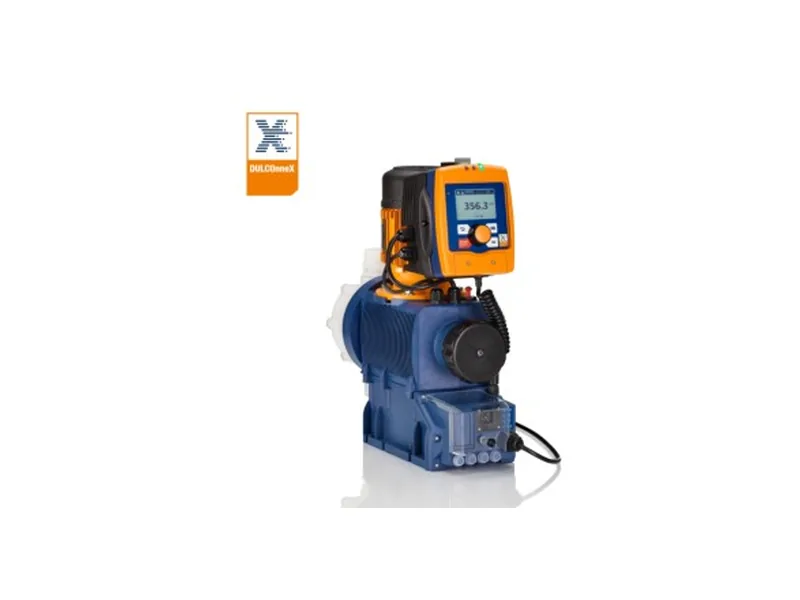
Figure 1: ProMinent Sigma/2 S2Cb motor-driven metering unit. Image source: ProMinent official website
- Toxic, smelly or volatile reagent: start with a metering pump in a closed line.
- Small dose with big metallurgical impact, such as frothers or some depressants: favor a metering pump.
- Viscous, solids-laden or scaling reagent: dedicated feeding equipment, or heat it first and then size a pump.
- Many points, cheap reagent, modest accuracy: a reagent feeder is still good value.
For pump layout options, see dosing skid pump selection for duty/standby and multi-point dosing. For thick reagents, our guide to high viscosity metering pumps shows where diaphragm pumps stop being practical.
Multi-point distribution and ore throughput pacing
Rougher, scavenger and cleaner stages may all take the same collector at several points, which makes flotation reagent dosing very different from water treatment.
Distribution can be done two ways. One pump or head per point is the most flexible. One pump feeding a manifold saves equipment, but the split depends on line resistance, and a partial blockage throws it off. Avoid that on critical reagents.
Throughput pacing is the core of automated flotation reagent dosing. The feed belt scale sends tonnage to the PLC, which converts it to a 4–20 mA signal for each pump. More ore, more reagent; less ore, less reagent; grams per tonne stays on setpoint. When ore character changes, metallurgists adjust the setpoint and the pumps follow.
Pump example for flotation reagent dosing
Motor-driven diaphragm metering pumps are common in flotation reagent dosing. One example is the ProMinent Sigma X control type Sigma/2 S2Cb. ProMinent lists a capacity range of 61–353 l/h at 16–4 bar, wetted materials in PVDF and stainless steel 1.4571/1.4404, external control by pulse step-up and step-down, batch mode or 0/4–20 mA, and integral PROFIBUS. ProMinent also notes it can meter viscous and gaseous media by adjusting the stroke movement profile. Check it against your reagent viscosity and temperature. Browse more on our ProMinent brand page and our metering pump range.
Before servicing, stop and depressurize the pump and flush the head. Wear proper protection when handling sulfide or dithiophosphate.
Conclusion
Flotation reagent dosing is not one method for everything. Make xanthate fresh, keep dithiophosphate closed, heat fatty acids, put lime on a dedicated system and separate sulfide from acid. Feeders still fit many-point, modest-accuracy duties. Metering pumps fit toxic or smelly reagents, small high-impact doses and tonnage-paced control. Send your reagent list, dose ranges, throughput and control needs, and contact our engineers to size the pumps.
FAQ
Why must xanthate solution be made fresh?
It decomposes in solution, losing strength and releasing carbon disulfide. Prepare it per shift or per day.
Can a solenoid pump handle pine oil?
For small doses, yes, if head and seal materials suit oily liquids. Follow hazardous area rules where they apply.
Can one metering pump serve several points?
It can, but the split drifts with line resistance. Use one head per point for critical reagents.
How does the belt scale signal reach the pump?
The belt scale feeds the PLC, which multiplies tonnage by the grams-per-tonne setpoint and sends 4–20 mA to the pump.
Fatty acid will not pump in winter. What now?
Heat and insulate the tank and lines, enlarge and shorten the suction line, and use flooded suction. If that fails, move to a pump suited to high viscosity.