
NEWDOSE Metering Pump Valves: Foot, Injection and Multifunction
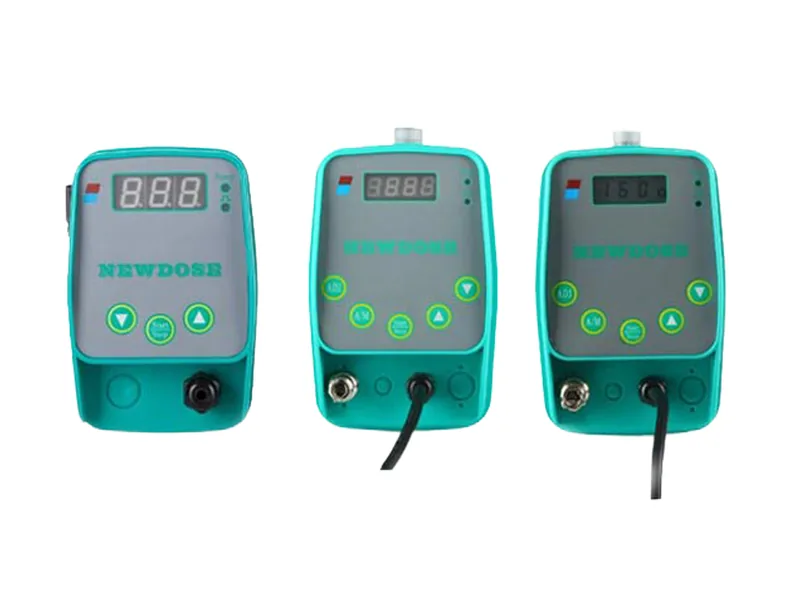
Choosing NEWDOSE metering pump valves starts with two questions: is it a solenoid pump or a mechanical pump, and what is the chemical? DFD, DP and DM solenoid pumps normally run with a foot valve and an injection valve, plus a bleed valve on gassing chemicals. NDJ, ND2000 and other mechanical pumps add relief and back pressure protection, or an optional multifunction check valve. Whatever you pick, the valve materials must match the liquid end. A PVDF pump head with PVC accessory valves is a weak link waiting to fail.
Which NEWDOSE Metering Pump Valves Does a Line Need?
Following the chemical from tank to injection point, a complete set looks like this:
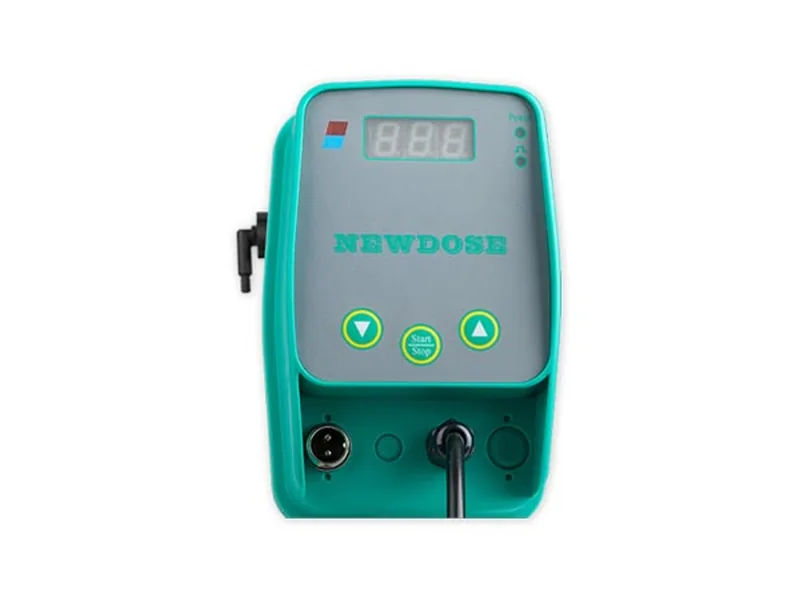
Figure 1: NEWDOSE solenoid diaphragm dosing pump. Image source: NEWDOSE official website
- Foot valve with strainer in the tank, keeping debris out and holding the suction line full when the pump stops.
- Bleed (degassing) valve on the pump head, for start-up and gassing chemicals.
- Multifunction check valve on the discharge of mechanical pumps, optional, combining non-return, back pressure and relief functions.
- Back pressure valve and relief valve on the discharge line.
- Injection valve at the dosing point, stopping process water from flowing back.
Solenoid models usually ship with two of these NEWDOSE metering pump valves, the foot valve and injection valve. Back pressure and relief valves are ordered separately to suit the line.
Foot Valve and Bleed Valve: Suction-Side NEWDOSE Metering Pump Valves
For the foot valve, material follows the chemical and size follows the suction line. Hang it a little above the tank floor so it does not pick up sludge. If the pump takes a long time to prime after every stop, a foot valve that no longer seals is the usual suspect.
Among NEWDOSE metering pump valves, bleed valves matter most on sodium hypochlorite, hydrogen peroxide and other chemicals that release gas. Once gas collects in the head, the diaphragm keeps moving but nothing leaves the pump; that is gas lock. With a bleed valve on the head, half a turn releases the gas, and the vent tube should run back to the tank.
When Does the Multifunction Check Valve Make Sense?
This option for NEWDOSE mechanical pumps uses a PTFE spring element, so the valve closes by elastic force rather than gravity. Among NEWDOSE metering pump valves it solves three specific problems:
- Gravity ball valves can leak back when the pressure difference between pump head and line is small. Spring return closes them reliably.
- With viscous chemicals a ball drops back slowly and accuracy suffers. Spring return keeps displacement and linearity stable.
- Adjusting the spring rate gives a set back pressure at the outlet, or a relief function for the line.
It does not replace everything. On long lines, lines with a pulsation dampener or lines with big pressure swings, separate back pressure and relief valves are easier to set and to check.
Back Pressure and Relief Valves on the Discharge Line
Among discharge-side NEWDOSE metering pump valves, the back pressure valve creates artificial discharge pressure. NEWDOSE guidance is to fit one when the pressure difference across the pump is under 1 bar, or when the injection point sits lower than the tank level and the line could siphon.
A relief valve handles overpressure. It sits between the pump and the first isolation valve, with its outlet piped back to the tank and visible. If someone shuts a valve or the line blocks, it opens before the pump head or piping gives way. The two valves do different jobs, so size them separately, and never set either above the pump's rated pressure.
Choosing the Injection Valve
The injection valve supplied with NEWDOSE solenoid pumps has a 1/2" G thread and can be taped and screwed straight into the dosing point. Three things decide the choice:
- Main line pressure must sit within the pump's capability.
- Crystallizing chemicals such as hypochlorite or lime slurry will build up at the tip, so plan routine cleaning.
- Insertion depth: the tip should reach into the flow, not sit flush with the pipe wall.
Matching NEWDOSE Metering Pump Valves to the Pump Head
NEWDOSE codes its liquid ends by material. PP, PVC and PVDF heads use PTFE seats and ceramic balls with FKM seals; SS316 heads use SS316 seats and balls; PTFE heads use PTFE seats with ceramic balls. External NEWDOSE metering pump valves are best chosen in the same material class, and any doubt about chemical compatibility should be checked against the data.
With strong oxidizers and acids, watch the seals. It is common on site to find the valve body fine and the O-ring already gone.
Common Mistakes When Buying NEWDOSE Metering Pump Valves
Replacing the pump but keeping old valves that no longer match in size or material. Swapping the positions of relief and back pressure valves; a relief valve downstream of an isolation valve protects nothing. Treating balls and seats as permanent: the mechanical pump manual suggests replacing check valve balls, seats, gaskets and O-rings around every 5000 operating hours, sooner on aggressive chemicals. And ordering the wrong thread, which only shows up on site.
Conclusion
The short version for NEWDOSE metering pump valves: solenoid pumps start from a foot valve and injection valve, add a bleed valve for gassing chemicals and a back pressure valve where pressure is low or siphoning is possible. Mechanical pumps add a relief valve, or a multifunction check valve that covers back pressure and relief on simple lines. Every valve should match the liquid end material. For foot valve placement see dosing pump foot valve and strainer; for injection valves see what a dosing pump injection valve does; for head materials see choosing a NEWDOSE pump head material. Valves and accessories are listed under dosing accessories and on the NEWDOSE brand page. Send us the pump model, chemical and line pressure and contact our engineers to put together the right NEWDOSE metering pump valves.
FAQ
Can I use other brands of valves on a NEWDOSE pump?
External back pressure and relief valves can come from other makers if pressure rating, material and connections match. For the check valves on the pump head itself, use original parts so dimensions and seals fit properly.
With a multifunction check valve, do I still need a back pressure valve?
On short, simple lines a correctly set multifunction valve is enough. On long lines, lines with a dampener or with large pressure swings, add a separate back pressure valve.
What do I do when the injection valve blocks?
Stop the pump, release pressure, remove the valve and soak it in water or a suitable cleaning solution. With crystallizing chemicals, clean on a schedule rather than waiting for a blockage.
Does a solenoid pump need a relief valve?
Solenoid pumps have limited discharge pressure, but a closed valve can still overpressure fittings. If the line has isolation valves or runs at higher pressure, fit one.
How often should NEWDOSE metering pump valves be checked?
Check for leaks during routine rounds and clean foot and injection valves regularly. Replace mechanical pump check valve sets around every 5000 hours as the manual suggests, and sooner on aggressive chemicals.