
Methanol Dosing System for Denitrification: Explosion-Proof Design
A methanol dosing system feeds a cheap, efficient carbon source to denitrification, but methanol is not like sodium acetate or glucose. It is a flammable liquid that gives off ignitable vapor at room temperature, and that vapor can form an explosive mixture with air. So the design question is less "how much" and more "how to feed it safely": hazardous area classification, explosion-proof equipment, static grounding, tank and unloading safety. This guide is for wastewater process engineers, safety managers and system designers.
What makes a methanol dosing system different
Acetate and glucose are aqueous solutions. A leak means corrosion or a mess. A methanol leak means a fire risk. Methanol vapor is heavier than air and collects in trenches, sumps and pits, sometimes before anyone notices a smell.
Methanol is also toxic by inhalation, skin contact and ingestion. A methanol dosing room needs ventilation, PPE and an eyewash station on top of explosion protection.
For the biology and general pump control of carbon dosing, see our article on sodium acetate carbon source dosing. This page covers what is specific to methanol.
Hazardous areas around a methanol dosing system
The storage tank, unloading point, pump skid and injection piping are classified by where flammable vapor may appear. A qualified designer sets the zones under the applicable local code. Typical considerations:
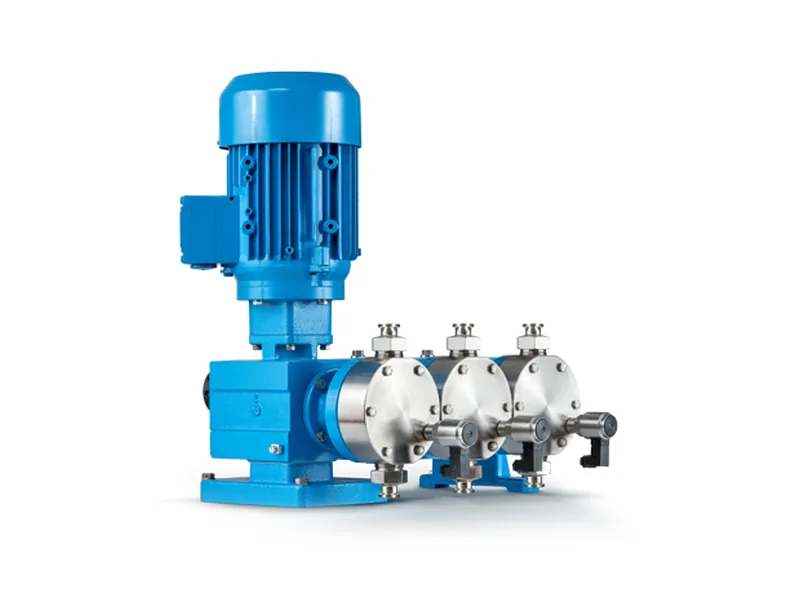
Figure 1: LEWA ecodos multiplex mechanical diaphragm metering pump. Image source: LEWA official website
- Tank vents and the unloading connection are where vapor is most likely, so they get the strictest zone.
- The pump room needs reliable mechanical ventilation with low-level extraction, since vapor sinks.
- Avoid trenches and pits where possible; where unavoidable, prevent vapor pooling.
- Install flammable gas detection interlocked with the ventilation.
Once zones are set, every motor, instrument, junction box and light fitting inside them must carry a matching rating. A frequent failure at handover: the pump gets an explosion-proof motor while the level switch and push-button station next to it are ordinary industrial types.
Pumps for a methanol dosing system
Pump type and materials
Methanol is thin and easy to meter. Motor-driven mechanical or hydraulic diaphragm pumps are preferred, because the diaphragm isolates the fluid from the drive with no dynamic seal to leak. That makes them a better fit for flammables than packed plunger pumps. Heads and valves are usually 316 stainless, with PTFE or other methanol-compatible seals.
Explosion-proof configuration
- Flameproof or increased-safety motors rated for the zone.
- Explosion-proof actuators if stroke length is adjusted electrically.
- Variable frequency drives placed in a safe-area control room, with cabling installed to hazardous-area rules.
- Diaphragm rupture sensors with the right certification.
Our explosion-proof metering pump selection guide goes deeper on motors, zones and heads.
Static grounding and nitrogen blanketing in a methanol dosing system
Flowing solvent generates static. Bond and ground tanks, pump skids, metal pipe and flanges into one equipotential system with a reliable earth. Keep plastic pipe sections to a minimum, and where they are unavoidable, address static dissipation.
The tank vapor space is usually nitrogen blanketed to keep air out and reduce the chance of an explosive atmosphere. A blanketing valve, pressure-vacuum vent and flame arrester handle the pressure changes during filling and draw-off.
Methanol dosing system tank and unloading safety
Unloading is where most incidents in a methanol dosing system happen:
- Connect the tanker ground clamp first and confirm it before opening any valve.
- Unload with an explosion-proof pump or nitrogen pressure. No open flames or non-rated electrics in the area.
- Fit high-level alarms and interlocks to prevent overfilling.
- Put the tank inside a bund sized for the largest tank, with an impermeable floor.
- Keep fire extinguishers and an eyewash near the unloading bay.
Drain and recover hose contents after unloading. Never let them run into a floor drain.
Feed control for a methanol dosing system
Overdose and effluent COD rises. Underdose and nitrate stays high. A dependable approach uses influent flow as feedforward and a nitrate analyzer at the anoxic zone outlet as feedback trim, with a 4–20 mA signal adjusting pump speed or stroke rate.
Biomass needs time to adapt to methanol. When starting up or switching from another carbon source, ramp the dose rather than jumping to the design value. Cold water slows denitrification, so the strategy changes in winter too.
Commissioning checks
Before the first delivery, walk the whole methanol dosing system with the safety team. Test the gas detectors and confirm they start the extract fans. Check bonding continuity across every flange with a meter rather than by eye. Run the pumps on water, calibrate them against a graduated column and prove the relief valves. Only then accept methanol into the tank. These steps take a day and catch most of the problems that would otherwise surface during an incident.
Pump selection example
One common industrial choice for a methanol dosing system is the LEWA ecodos mechanical diaphragm metering pump. LEWA lists it at 16 to 1,460 L/h per pump head and up to 20 bar, with 316/316L, PVC, PVDF and PTFE liquid ends, a monitored four-layer PTFE sandwich diaphragm and no dynamic seals in the fluid area. Explosion-proof designs for zone 1 are available on request, and flow can be controlled by frequency converter or automatic stroke adjustment. See our LEWA brand page and mechanical diaphragm metering pumps.
Conclusion
A safe methanol dosing system starts with professionally defined hazardous zones and rated equipment throughout them, then adds nitrogen blanketing, full equipotential grounding and a strict ground-first unloading routine. Choose diaphragm pumps with stainless heads, and control feed with flow plus nitrate feedback. Send us flow, nitrate removal target and site area classification, and contact our engineers to configure your methanol dosing system.
FAQ
Does every pump in a methanol dosing system have to be explosion-proof?
If it sits in a classified area, yes. The motor and electrics must match the zone set by your designer.
Can I run methanol in PVC pipe?
Not recommended. Plastic pipe builds static. Grounded stainless pipe is standard.
Is nitrogen blanketing mandatory?
It greatly reduces explosion risk in the tank and most projects include it. Your safety assessment decides.
Why is denitrification slow after starting methanol?
The biomass needs an acclimation period. Ramp the dose and track nitrate.
Methanol or sodium acetate?
Methanol is cheaper per unit of carbon but demands more safety measures. Acetate starts faster and is safer to handle.