
Carbon Source Dosing for Denitrification: Sodium Acetate Pumps and Control
Carbon source dosing fixes a plant that cannot hit its total nitrogen limit because the anoxic zone runs short of carbon. When influent COD to nitrogen ratio is low, denitrifying bacteria starve and nitrate passes straight to the effluent. Sodium acetate is one of the most common external carbon sources because it reacts fast and is easy to handle. It is also a chemical you buy every week, so a poorly sized pump or crude control either misses the nitrogen limit or wastes acetate and pushes up effluent COD.
This article skips the chemical comparison and focuses on the hardware: the tank, the metering pump, the dosing point and the control logic.
What a sodium acetate carbon source dosing system includes
A typical carbon source dosing package has five parts:
- Storage tank for delivered liquid acetate, or for solution made up from solid product.
- Make-up or dilution equipment. Solid acetate needs a mixing tank and agitator; liquid product can be dosed neat or diluted in line.
- Metering pumps, usually duty and standby, with larger plants splitting pumps by treatment train.
- Piping and valves: strainer, relief valve, back pressure valve, pulsation dampener and isolation valves.
- Instruments and controls: tank level, flow meter, influent flow signal and an online nitrate analyzer tied into the PLC.
Sodium acetate solution is only mildly aggressive. PVC, PP and stainless steel are generally fine, so material choice is much easier than for hypochlorite or sulfuric acid.
Where to put the carbon source dosing point
Dose at the inlet of the anoxic zone, where the carbon meets influent and recycled mixed liquor. Carbon added at the front of the aerobic zone gets oxidized by aerobic bacteria and does nothing for denitrification.
Step-feed plants or plants with several anoxic zones need a separate line to each zone, ideally with its own pump head. A common mistake is one pump feeding three lines with hand valves set to "split evenly." The split drifts, one train gets too much, another too little, and the nitrogen numbers swing without an obvious cause.
How to set the dose without guessing
Carbon source dosing demand depends on influent nitrate, readily usable carbon already in the influent, recycle ratio and the effluent target. Published ratios are a starting point only. A sensible approach:
- Start from the design calculation for theoretical demand.
- Run a step test during commissioning and watch effluent total nitrogen and COD.
- Adjust the dose factor from results and keep a seasonal margin.
Denitrification slows in cold water, so winter demand is typically higher than summer. Size the pump on winter conditions. For the unit conversion from mg/L to pump L/h, see the wastewater dosing calculation guide.
Choosing the sodium acetate metering pump
Pump type
Acetate solution is a thin, clean liquid. Mechanical diaphragm metering pumps are the usual choice, with hydraulic diaphragm or multi-head pumps for high flows. Small industrial plants can use solenoid pumps. Packed plunger pumps are rarely used here because of leakage.
Capacity and turndown
Size the pump on peak winter demand plus margin, but do not oversize. Normal running flow is often a fraction of the winter peak, and a pump sitting at very low stroke loses accuracy. If the demand range for carbon source dosing is wide, choose a VFD or 4-20mA controlled pump so it works in the middle of its range.
Discharge accessories
Long lines or a dosing point below the tank need a back pressure valve to stop siphoning. Pipe the relief valve back to the tank. A pulsation dampener steadies the flow meter reading, which helps feedback control.
Control options for carbon source dosing
Good control saves a noticeable share of acetate cost. There are three usual levels:
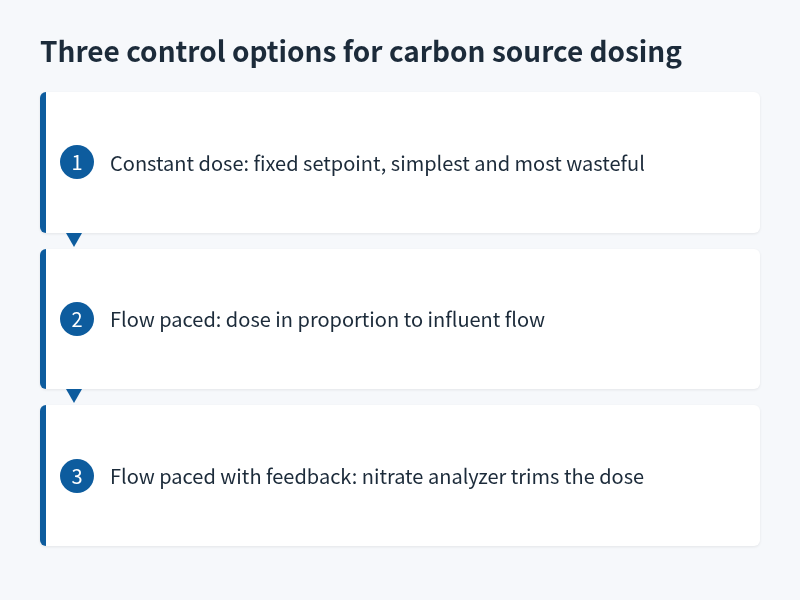
Figure 1: Flow pacing makes the pump follow influent flow and is where most plants start.
- Constant dose: a fixed pump setting. Simple, fine for small steady plants, and the most wasteful.
- Flow paced: carbon source dosing in proportion to influent flow. This is where most plants start.
- Flow paced with feedback: a nitrate analyzer at the end of the anoxic zone or in the effluent trims the dose factor up or down.
Feedback loops need patience. Hydraulic retention time in a bioreactor is long, so aggressive trimming makes the dose oscillate. Keep corrections slow and set high and low limits. The PLC logic and signal wiring are covered in automatic chemical dosing for wastewater.
Field problems with carbon source dosing
Crystallization in cold weather is the classic acetate problem. Strong solutions can drop crystals at low temperature and block pump valves and pipes. Outdoor tanks and lines in cold climates usually need insulation or heat tracing, or a lower solution strength.
Impurities matter too. Technical grade solid acetate can leave insolubles after dissolving, so clean the suction strainer on a schedule. Dilute solution stored for a long time can also grow biomass, and sludge collects at the tank bottom. Draining the bottom periodically reduces blockages in the carbon source dosing line.
Conclusion
A sodium acetate carbon source dosing system looks simple, but dose and control decide whether it pays off. Dose at the anoxic inlet, meter each train separately, size the pump for winter while keeping normal flow away from minimum stroke, and start with flow-paced control before adding nitrate feedback. Plan for winter crystallization and strainer cleaning from day one. For how acetate compares with other chemicals, read wastewater treatment chemicals. Pumps and skids are listed under mechanical diaphragm metering pumps and chemical dosing skids. Send your flow, nitrogen limit and process layout and contact our engineers for a pump and control proposal.
FAQ
Liquid or solid sodium acetate?
Plants with high demand and tanker access usually buy liquid. Small users or remote sites often dissolve solid product on site.
Can one pump serve several anoxic zones?
It can, but it is not recommended for carbon source dosing. Give each zone its own pump or pump head instead of splitting with hand valves.
What happens if we overdose?
Excess carbon reaches the aerobic zone, raises aeration demand and can lift effluent COD. Put an upper limit in the control logic.
How do we clear a line blocked by crystals?
Stop the pump and flush the line and valves with warm water to dissolve the crystals. Then add insulation or heat tracing, or dilute the solution.
Can we automate without a nitrate analyzer?
Yes. Use flow-paced dosing and adjust the dose factor from lab results. Add an analyzer later if the budget allows.