
Metering Pump Volumetric Efficiency: Why Flow Drops With Pressure
Metering pump volumetric efficiency is a simple ratio: the volume the pump actually delivers per stroke, divided by the volume the diaphragm sweeps in theory. When a datasheet says 50 l/h and your calibration column shows a little over 40, the pump is often fine and the ratio is the real story.
Theoretical displacement comes from stroke length and effective diaphragm area. Real displacement loses some of that to diaphragm deflection under pressure, backflow while the valve balls reseat and gas trapped in the dosing head. The bigger those losses, the lower the metering pump volumetric efficiency.
What Lowers Metering Pump Volumetric Efficiency
Four factors cause most of the loss on site:
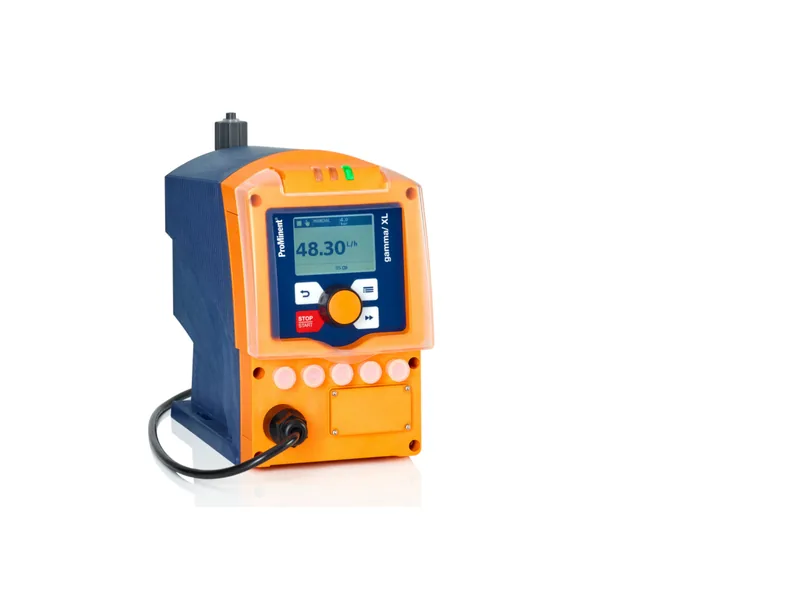
Figure 1: ProMinent gamma/XL solenoid metering pump. Image source: ProMinent official website
- Back pressure. Higher discharge pressure flexes the diaphragm and head more, so part of each stroke is spent compressing rather than pushing.
- Valve closing speed. A ball that reseats slowly lets a little liquid slip back. Viscous chemicals slow the ball down, so this loss is typically larger with them.
- Gas. Outgassing chemicals such as sodium hypochlorite leave bubbles in the head, and compressing gas uses up stroke.
- Dead volume. Space in the head that the diaphragm cannot sweep makes bubbles harder to clear and amplifies the gas effect.
These stack up, which is why metering pump volumetric efficiency is a property of the whole installation rather than the pump alone. The same pump can deliver noticeably different flow on two different lines.
Reading Flow Against Pressure on a Datasheet
Check the pressure behind every flow figure. In the ProMinent Sigma/1 Basic manual, the technical data lists the minimum delivery rate at maximum back pressure. Model 10050, for example, delivers 50 l/h at 10 bar, 4.0 ml per stroke at 205 strokes per minute, measured with water at 20 °C.
The same manual includes two capacity diagrams. One plots flow against stroke length. The other plots flow against back pressure, which is the clearest picture of metering pump volumetric efficiency you will find in a manual: as pressure falls, delivery climbs above the nameplate value, and as pressure rises, the curve drops.
That is why a pump on a low pressure line can calibrate "over spec". The nameplate assumes the worst case, so lighter duty means better metering pump volumetric efficiency.
What the gamma/X data shows
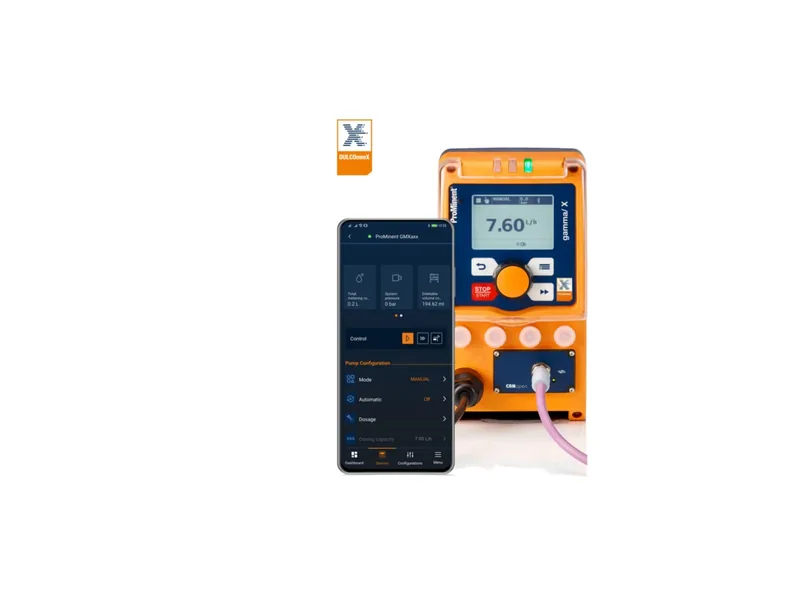
The gamma/X solenoid pump datasheet also quotes flow at maximum back pressure and compares the standard head with the self-bleeding head. Take the GMXa 0708:
- Standard head at 7 bar: 7.6 l/h, 0.63 ml per stroke.
- Self-bleeding head at 7 bar: 5.6 l/h, 0.47 ml per stroke.
Same drive, same stroke rate. The difference is a metering pump volumetric efficiency gap caused by head design, because a head built to vent gas gives up some delivery per stroke. The GMXa 1604 shows it even more clearly: 3.6 l/h at up to 16 bar with the standard head, but 2.2 l/h at up to 10 bar with the self-bleeding head.
ProMinent also states that high-viscosity heads deliver 10 to 20% less, and that vPTFE diaphragms are limited to 10 bar and may deliver 10 to 20% less than standard diaphragms.
Measuring Metering Pump Volumetric Efficiency on Site
You do not need to strip the pump. Note the stroke rate and stroke length, calculate theoretical delivery from the per-stroke volume in the datasheet, then measure one minute of suction from a calibration column at normal back pressure. Divide one by the other.
Keep the back pressure and chemical temperature close to normal running, and bleed the head before you start. Repeat the test every few months. If the ratio keeps falling, worn valve balls or an ageing diaphragm are the usual suspects, and you catch them before the process alarm does.
Making Up for Low Efficiency
You cannot tune metering pump volumetric efficiency back up with a setting, but you can cut losses and plan for them.
At selection, avoid sizing the pump exactly at the nameplate figure. A margin of around 20 to 30% above real demand is common, and confirm the back pressure behind that figure. For outgassing chemicals, a self-bleeding head is worth it, as long as you size it on its own lower flow.
At installation, protect metering pump volumetric efficiency by fitting a back pressure valve so the pump always works against a stable pressure, and keep the suction line short.
In operation, calibrate regularly and correct stroke or frequency from the measured value. The Sigma/1 manual quotes ±2% reproducibility, provided the pump is installed correctly, conditions are constant and stroke length is at least 30%. Small stroke settings widen the error.
Pumps with pressure sensing can compensate automatically. ProMinent describes the gamma/XL as detecting air in the head, overpressure and no pressure, and compensating for pressure fluctuations, which suits lines where back pressure varies.
Conclusion
Metering pump volumetric efficiency is the gap between theoretical and real displacement. Back pressure, valve reseating, gas and dead volume all pull it down, and they shape the flow-pressure curve in every manual. Read the pressure and head type behind each datasheet figure, leave a sizing margin, stabilise pressure with a back pressure valve and trust calibration over the nameplate. For low output troubleshooting, see why a dosing pump delivers too little. To size a pump for your conditions, contact our team.
FAQ
What is a typical metering pump volumetric efficiency?
There is no single figure; it depends on pump type, pressure and chemical. Manufacturers usually publish measured flow at maximum back pressure instead.
Why does my pump deliver more than the nameplate at low pressure?
The nameplate figure assumes maximum back pressure. Lower pressure means less deflection and slip, so delivery rises.
Is a self-bleeding head worth the lower flow?
For outgassing chemicals such as sodium hypochlorite, generally yes. Size the pump on the self-bleeding data, not the standard head figure.
Is the pump still accurate at very short stroke lengths?
Accuracy drops. The ±2% reproducibility quoted for the Sigma/1 needs at least 30% stroke length, so a smaller pump is often the better choice.
How much does viscosity affect flow?
Noticeably. ProMinent states that gamma/X high-viscosity heads deliver 10 to 20% less, and not every medium will self-prime.