
Metering Pump Pressure Units: Converting bar, psi, MPa and kPa
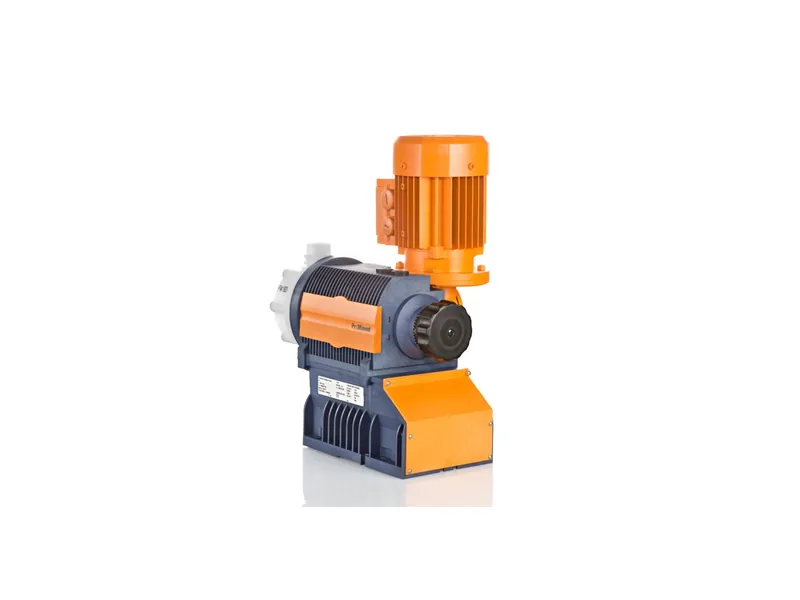
Metering pump pressure units can be handled with three factors: 1 MPa equals 10 bar, 1 bar is about 14.5 psi, and 1 bar is roughly 10.2 meters of water. European nameplates use bar, US catalogs use psi, Chinese and many Asian drawings use MPa, and older gauges still show kgf/cm². The same pressure written in four units is easy to misread by a factor of ten.
This article covers only the units and how to convert them. If you want to know what the bar figure on a nameplate actually promises, read our separate guide on dosing pump bar ratings.
Which Metering Pump Pressure Units You Will See
Six units turn up regularly in dosing projects:
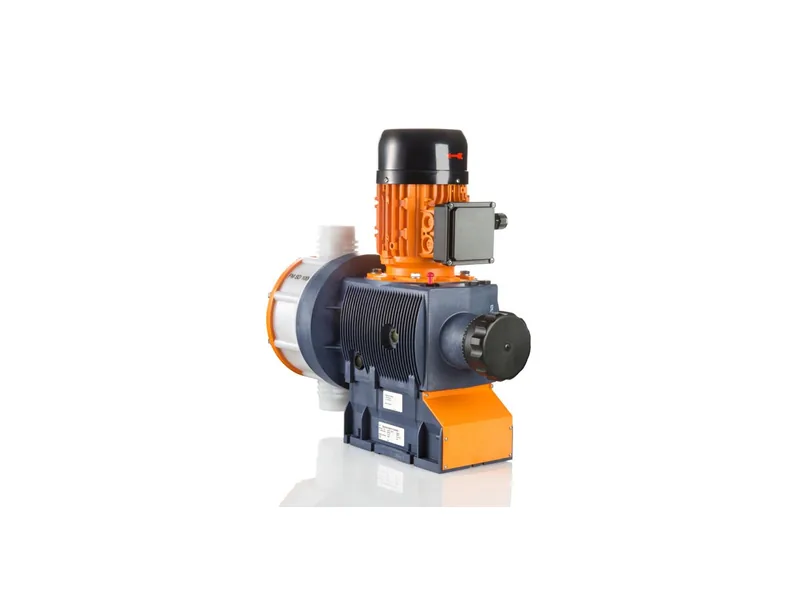
Figure 1: ProMinent Sigma/2 motor-driven diaphragm metering pump. Image source: ProMinent official website
- MPa and kPa: SI units, common on engineering drawings, pipe classes and vessel data.
- bar: the default on most European pump nameplates and datasheets.
- psi: pounds per square inch, used by US manufacturers and US-made gauges.
- kgf/cm²: found on older equipment and some Asian gauges, often called "kilos".
- Meters of water column: used for pump head, suction lift and static level.
- atm and mmHg: mostly relevant on the suction side, where vacuum matters.
Metering Pump Pressure Units: Factors Worth Memorizing
Here are the factors most engineers keep in their heads:
- Megapascal: 1 MPa = 10 bar = 1000 kPa
- Psi: 1 bar ≈ 14.5 psi, and 1 psi ≈ 0.069 bar
- Kilogram-force: 1 kgf/cm² ≈ 0.98 bar, usually treated as 1 bar for sizing
- Water column: 1 bar ≈ 10.2 m, so 10 m of water is close to 1 bar
- Atmosphere: 1 atm ≈ 1.013 bar
A phone calculator is quicker for exact values, but knowing the rough numbers lets you spot a mismatch between drawing and datasheet at a glance.
Bar to psi and Back
Bar to psi is the conversion buyers use most when comparing metering pump pressure units across US and European suppliers. Multiply bar by 14.5 to get psi. Divide psi by 14.5, or multiply by 0.069, to get bar.
A pump rated at 10 bar is about 145 psi. A US datasheet listing 150 psi works out to roughly 10.3 bar, which is effectively the same class. A design pressure of 1.6 MPa is 16 bar, or around 232 psi.
psig vs psia
US documents sometimes add a letter. psig is gauge pressure, measured from local atmospheric pressure. psia is absolute pressure, about 14.7 psi higher at sea level. Pump ratings are normally gauge values. If a document quotes psia, subtract atmospheric pressure before comparing. The same logic applies to barg and bara in European paperwork.
MPa, kgf/cm² and Water Column
These three metering pump pressure units appear mostly on Asian drawings and in head calculations.
MPa to bar is a simple ×10, but it causes more errors than any other pair of metering pump pressure units. A value of 0.6 MPa looks small next to 6 bar, and someone in a hurry may read it as 0.6 bar.
kgf/cm² and bar differ by only about 2%. For pump selection you can usually treat them as equal. For relief valve set points and hydrotests, use 0.98 so the margin is not eaten away.
Water column matters for static head. A tank level 5 m above the pump adds about 0.5 bar at the suction. A discharge line that climbs 30 m needs around 3 bar for the height alone, before pipe losses and injection point pressure are added. Multiply by the specific gravity for chemicals heavier than water.
Suction Side Units and Vacuum
On the suction side the gauge may read below zero. You might see -0.3 bar, -30 kPa, a value in mmHg, or a suction lift in meters. As a rough guide, -0.1 bar is about -10 kPa, which corresponds to roughly 1 m of suction lift. One atmosphere is about 760 mmHg.
Datasheets often state maximum suction lift in meters of water, for example 2 m or 3 m. A suction gauge at -0.3 bar means the pump is already lifting about 3 m before line losses. That is close to the limit for many diaphragm pumps. With sodium hypochlorite and other gassing chemicals, a deep vacuum also releases gas into the pump head. In that case flooded suction is a better fix than any metering pump pressure units calculation.
Metering Pump Pressure Units on Nameplates and Gauges
Many gauges carry two scales, often bar on the inner ring and psi on the outer. Check which scale the needle is on before writing it down. ProMinent Sigma mechanical diaphragm pumps, for instance, state rated pressure in bar; if the local gauge reads in MPa, convert before deciding whether the pump is over pressure. For gauge range and reading tips, see metering pump pressure gauge reading.
Relief and back pressure valves need consistent metering pump pressure units too. A drawing says 1.0 MPa, the valve tag says 145 psi, and the pump plate says 10 bar. These are all close. But if someone reads 1.0 MPa as 1 bar, the valve may lift at a fraction of working pressure.
Common Mistakes With Metering Pump Pressure Units
The most frequent error is the factor of ten between MPa and bar. Reading psi as bar is next, and it undersizes a pump by nearly 15 times. Mixing gauge and absolute values bites hardest with vacuum suction or closed pressurized tanks. Rounding several times in a row adds up, and a relief valve can end up set noticeably off target.
Our practice is simple: write every pressure in the sizing sheet in bar, with the original value and unit in brackets. Once all metering pump pressure units match, comparisons become straightforward and reviewers can check the work quickly.
Conclusion
Metering pump pressure units come down to a short list: 1 MPa = 10 bar, 1 bar ≈ 14.5 psi, 1 kgf/cm² ≈ 0.98 bar, and 1 bar ≈ 10.2 m of water. Convert everything to bar for sizing, confirm gauge versus absolute, and check which scale a dual gauge is showing. For high-pressure duties, see how far diaphragm metering pump pressure can go, browse our mechanical diaphragm metering pumps, or visit the ProMinent brand page. If you have a pressure figure you are not sure about, contact us and we will check it with you.
FAQ
How many bar is 1 MPa?
1 MPa equals 10 bar, which is 1000 kPa or about 145 psi.
What is 100 psi in bar?
About 6.9 bar. Multiply by 0.069 or divide by 14.5 to convert between these metering pump pressure units.
Is one kgf/cm² the same as one bar?
Very close but not identical. 1 kgf/cm² is about 0.98 bar, fine for sizing but worth converting exactly for valve settings.
How do I read a gauge with two scales?
Dual gauges show two metering pump pressure units side by side. Check the unit printed on each ring. The needle position is the same; you just read the ring that matches the unit you need.
How much pressure is 30 m of head?
For water, roughly 2.9 bar, often rounded to 3 bar. For denser chemicals, multiply by specific gravity.