
Metering Pump Stroke Rate and Service Life: How Speed Drives Wear
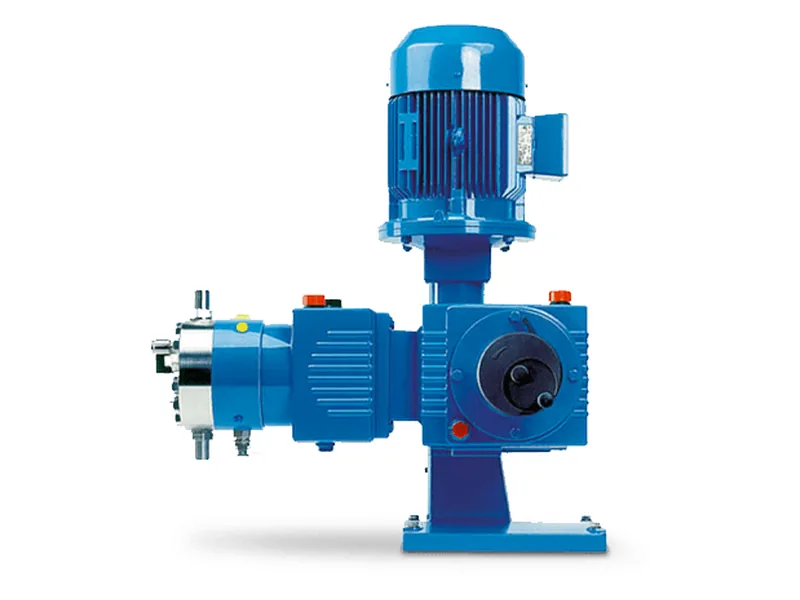
Metering pump stroke rate is the number of times the pump cycles per minute, and it sets how often the diaphragm, check valves and seals move every day. Two pumps can deliver the same flow, one fast with a small displacement and one slow with a large one, yet after a few years their spare parts bills may differ by a factor of two.
This article does not cover how to program frequency. It looks at what stroke speed does to wear and service life, and how to weigh that during selection.
What Metering Pump Stroke Rate Means
On a motor-driven pump, stroke rate comes from motor speed and gearbox ratio. The nameplate usually shows the maximum, and figures around 100 strokes per minute are common. On a solenoid pump, the control board fires each stroke, so the rate can be changed on the panel. Stroke length decides how much liquid each stroke moves; metering pump stroke rate decides how many strokes happen each minute. Together they set flow.
Counting Strokes per Hour and per Year
Operators sometimes ask how many "turns per hour" a pump makes. What they really need is strokes per hour: strokes per minute multiplied by 60.
Take a round example. At 100 strokes per minute the pump makes 6000 strokes per hour and 144,000 per day of continuous duty. Over 8000 running hours a year, that adds up to about 48 million strokes. Drop the metering pump stroke rate to 50 per minute and the annual count halves to around 24 million.
This matters because the fatigue life of diaphragms, valve balls and seats is tied to the number of cycles, not to calendar time.
How Metering Pump Stroke Rate Affects Diaphragm Life
A diaphragm flexes on every stroke. Over millions of cycles the material fatigues until it cracks or starts to weep. With everything else equal, a higher metering pump stroke rate shortens diaphragm life measured in months.
Faster Strokes Wear Check Valves Sooner
Each check valve opens and closes once per stroke. More strokes mean more impacts between ball and seat. If the fluid carries particles, the seat gets scored, sealing suffers and accuracy drifts. On site this often shows up as slowly falling flow and a pump that is hard to prime.
Heat and Noise Rise With Speed
In a motor-driven pump, higher speed means faster gear and crank movement and warmer oil, which may shorten oil change intervals. In hydraulic diaphragm pumps the refill and bleed valves cycle more often too. These effects are less direct than diaphragm fatigue, but they accumulate.
For how long the whole pump and each wear part tend to last, see mechanical diaphragm pump service life. For diaphragm change intervals in particular, see our diaphragm replacement interval guide.
Fluids That Call for a Lower Stroke Rate
Viscous chemicals come first. Thick fluid slows check valve reseating. If strokes come too fast, the valve has not closed before the next stroke begins, so flow becomes unstable and the head can starve. The more viscous the fluid, the lower the metering pump stroke rate should be. Many suppliers publish derating guidance for viscosity in their datasheets.
Slurries and crystallizing fluids, such as lime slurry and some flocculants, come next. Slower cycling reduces seat erosion and wear.
Gassing fluids like sodium hypochlorite are the third group. Fast strokes increase suction losses, gas comes out of solution, and the head can vapor lock.
Choosing Between Stroke Rate and Displacement
Suppose the duty is 36 L/h. One option runs at 100 strokes per minute with 6 mL per stroke. Another runs at 50 strokes per minute with 12 mL per stroke. From a wear standpoint, the slower pump makes half as many cycles a year. The trade-off is larger pulses per stroke, which may justify a pulsation damper.
Here is how we usually approach it:
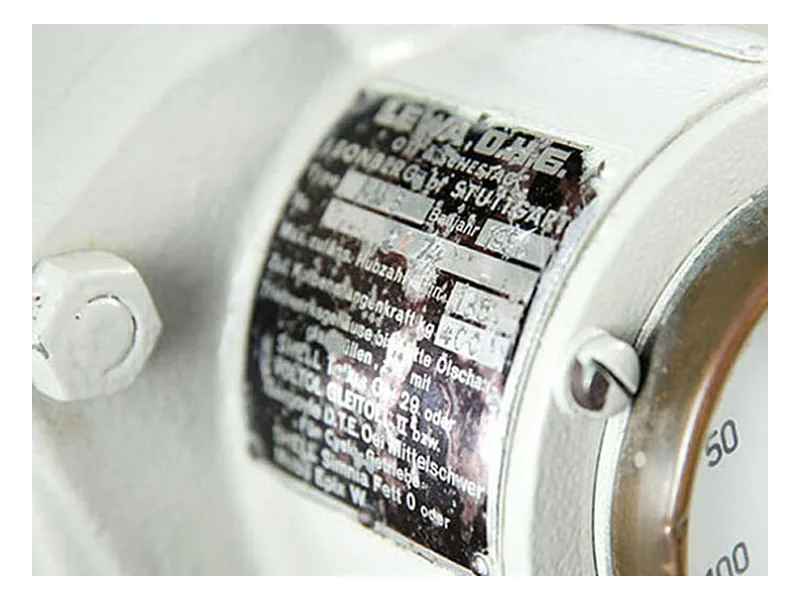
Figure 1: LEWA LEWA ecoflow long service life design. Image source: LEWA official website
- Clean water treatment with continuous duty: a moderate metering pump stroke rate balances life and pulsation.
- Viscous or abrasive fluids: favor a slow, larger-displacement pump.
- Very small flows needing tight accuracy: solenoid pumps adjust flow by frequency, so the rate is often low anyway. Keep stroke length high; the reasons are covered in why stroke length should stay above 30%.
Heavy-duty mechanical diaphragm pumps such as the LEWA ecoflow series are offered in several speed options. It is worth confirming metering pump stroke rate and fluid viscosity together with the manufacturer during selection.
Using Stroke Counts for Maintenance Planning
Once you know strokes per hour, maintenance can move from fixed calendar intervals to cycle counts. Log running hours and average metering pump stroke rate once a month, then work out the cumulative stroke count. If the manual gives a recommended replacement count for the diaphragm or valves, order spares ahead of that figure. If it does not, use the count at the first replacement as your baseline for that pump and adjust from there.
The benefit is that pumps in the same plant running at different speeds are no longer serviced on one shared schedule. The fast pump gets parts earlier, the slow one can usually wait, and spare stock becomes easier to plan.
Conclusion
Metering pump stroke rate decides how many times wear parts move each day. A higher rate shortens diaphragm and valve life in calendar terms. Strokes per hour equal strokes per minute times 60, and multiplying by running hours gives a cumulative count you can plan maintenance around. Lower the rate for viscous, abrasive or gassing fluids, and balance speed, displacement and pulsation at the selection stage. Compare speed options in our mechanical diaphragm metering pumps range or on the LEWA brand page. If you would like a second opinion on sizing, contact us.
FAQ
Is a higher metering pump stroke rate better?
Not necessarily. It gives finer flow resolution, but wear parts age faster, and fluid viscosity and solids also matter.
How do I calculate strokes per hour?
Multiply strokes per minute by 60. At 80 strokes per minute, the pump makes 4800 strokes per hour.
Does lowering stroke rate reduce accuracy?
Usually not much. Solenoid pumps routinely adjust flow by frequency, as long as stroke length is not set too low.
What stroke rate suits a viscous chemical?
There is no single figure. It depends on pump type and viscosity, so follow the manufacturer's derating chart.
Is stroke rate the same as motor speed?
No. On a mechanical pump, stroke rate equals motor speed divided by gear ratio, so it is far lower than motor rpm.