
Outdoor Metering Pump Installation: Rain Covers and Sunshades
Outdoor metering pump installation is common when the chemical room is already full, the cooling-tower basin is far from the building, or a temporary skid has to start before a shelter is built. Leaving the pump on a concrete pad is not a complete installation. Rain, sun, dust and standing water arrive together, and the first failures are usually a damp terminal box, a brittle plastic head, or a motor that has been sitting in a puddle.
Why outdoor metering pump installation is harder than an indoor hookup
Indoors you at least have a roof and walls. After outdoor metering pump installation, the pump head, the stroke adjuster and the terminal compartment sit in the weather all day. PVC and PP heads dislike long ultraviolet exposure. Water walks along poorly tightened cable glands. A soaked fan cover leaves the motor damp for weeks. Solenoid pumps, with their electronics, are more sensitive; a mechanical diaphragm pump is tougher, but it is not happy being rained on with no cover.
Drawings often say "install outdoors" and stop there. The contractor then finds the pad on a west-facing wall, with no slope, and the afternoon sun on the head. Moving the pad before grout is poured is cheaper than building a shelter around a finished outdoor metering pump installation.
Keep rain and standing water off the electrics
The first job in any outdoor metering pump installation is to decide how water will get in. The usual paths are an aged lid gasket on the terminal box, a loose cable gland, and a pad that holds a shallow pool around the feet.
Work through the pad and the cabling in this order:
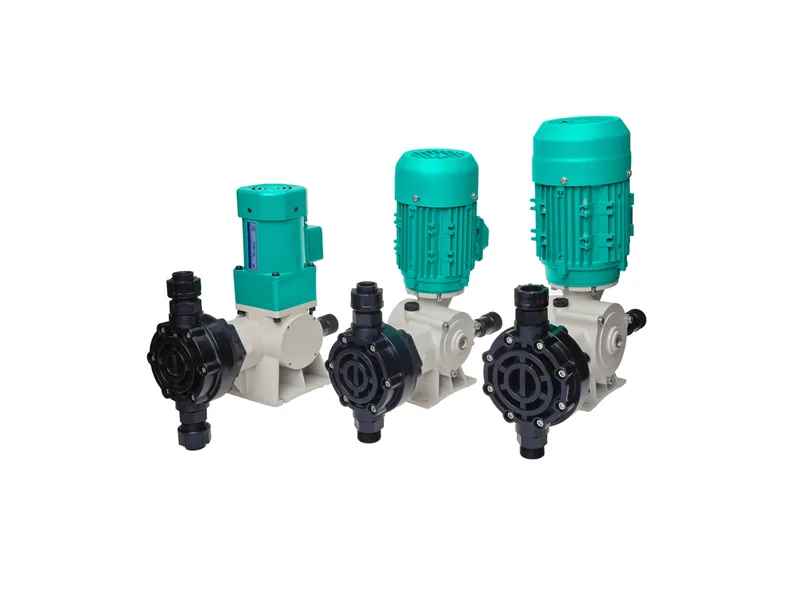
Figure 1: NEWDOSE ND/NDJ mechanical diaphragm metering pump. Image source: NEWDOSE official website
- Raise the foundation above the surrounding grade and slope the edges so water runs away.
- Enter the terminal box from below or from the side, leave a drip loop in the cable, and compress the gland seal.
- Replace a tired lid gasket and tighten the cover screws in a cross pattern, not just two corners.
- If the motor or a VFD has a vented cover, do not point the opening into the prevailing rain.
A flat sheet of steel with no drip edge is not a cover; rain still runs into the joints. For cover styles that actually shed water, see our note on dosing pump protective covers.
Sun, heat and plastic heads
On a summer afternoon a dark pump head can be too hot to touch. Ultraviolet light and heat make plastic heads brittle and cracked, dosing tubing sticky or stiff, and diaphragms die earlier than the catalogue suggests. An outdoor metering pump installation with no shade often loses the head or the tubing first, not the gearbox.
You do not need a closed house. A simple shelter with a rain-tight roof, a generous overhang and open sides for access will cut direct sun and most wind-driven rain. Leave enough headroom to remove the liquid end and to change the stroke. Clear plastic roofing looks bright but blocks less UV than an opaque sheet, so an opaque roof is the more reliable choice for outdoor metering pump installation.
Winter freeze is a separate problem, especially for the chemical and the pipework. Our winter dosing antifreeze guide covers heat tracing and drain-down. A rain shelter does not replace tracing; plan the two items separately when you do an outdoor metering pump installation in a cold climate.
Foundation, anchors and room to service the pump
For outdoor metering pump installation, use a concrete plinth or a hot-dip galvanized frame. Cast the anchor bolts in; do not sit the pump on a timber packer that will soak up water. Paint weld seams and cut edges on a steel frame, or the frame will rust through two rainy seasons before the pump does.
Leave service space. Suction and discharge pipes should not pin the pump against a wall; you need room to pull the head and the valve cartridges. Accessory order does not change outdoors: foot valve and strainer on the suction side, pulsation damper and back-pressure valve on the discharge. The metering pump installation diagram still applies.
Which pumps belong outside
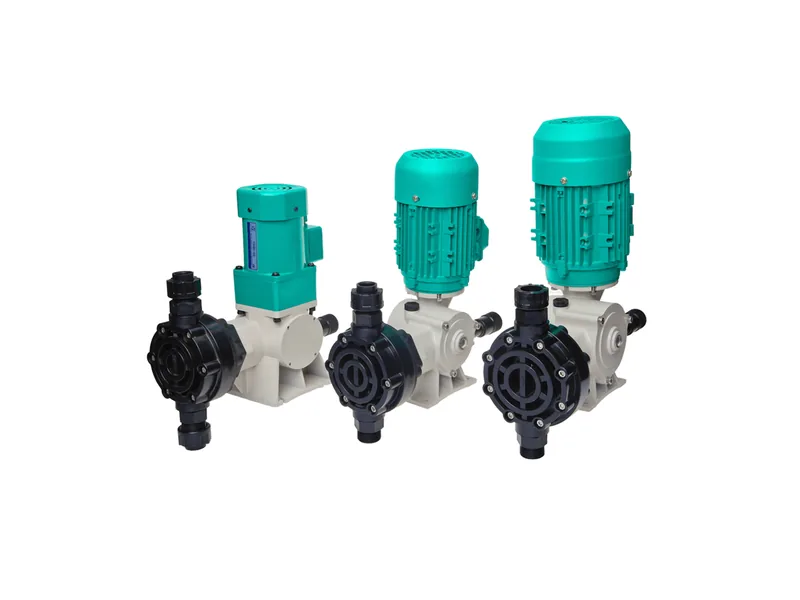
The same outdoor metering pump installation is usually kinder to a motor-driven mechanical diaphragm pump than to a bare solenoid unit, because the drive is a motor and gearbox rather than a circuit board. NEWDOSE ND and NDJ mechanical diaphragm pumps are often used on cooling-tower and wastewater pads. Give them a shelter and a dry terminal box, and daily checks stay simple. If a small solenoid pump must sit outside, put it in a proper weather enclosure and open the box now and then to look for condensation.
Write the environment into the order: outdoors, splash, dust, or a corrosive atmosphere. Those notes affect motor protection, paint and elastomers. If the site is unclear, send a photo of the pad with your inquiry and contact our engineers so the enclosure is sized before the pump ships.
You can also start from the mechanical diaphragm pump range and the NEWDOSE brand page.
Conclusion
Outdoor metering pump installation can work, but only if rain, sun, drainage and cable sealing are handled together. Do not rely on the nameplate IP rating alone. Raise and drain the pad, add a roof with an overhang, put a drip loop in every cable, and keep plastic heads out of long, direct sun. A mechanical diaphragm pump is usually the more practical choice for a bare outdoor pad. Tell us the weather and the chemical together, and the pump will arrive ready for the site.
FAQ
Does outdoor metering pump installation always need a chemical building?
No. Temporary skids and tight sites can stay outdoors if the shelter, drainage and cable seals are done properly. A full chemical room is still the better long-term home when you store several chemicals or work with aggressive fumes.
Is shade cloth enough, without a solid roof?
Shade cloth cuts glare but does not stop driving rain or snow, so the terminal box still gets wet. Use a waterproof roof with an overhang; two or three side screens help in exposed yards.
How long will a plastic pump head last outside?
Without UV protection the head and tubing often age before the metal parts. Life depends on sunlight and the chemical, so there is no single number. A sunshade is cheaper than repeated head changes after outdoor metering pump installation.
The motor is already an outdoor type. Do I still need a cover?
An outdoor motor sheds splash and humidity. It does not shade the pump head or keep rain off the stroke adjuster and any local instruments. The motor rating is not a substitute for a shelter on an outdoor metering pump installation.
What changes at a seaside or dusty site?
Salt spray attacks frames and fasteners, and dust scours seals and blocks fan covers. Upgrade the coating on the frame, clean the air inlets, and shorten the interval for inspecting seals after outdoor metering pump installation in those conditions.