
Dosing Pump Cover: Splash Guards, Enclosures and Corrosion Control
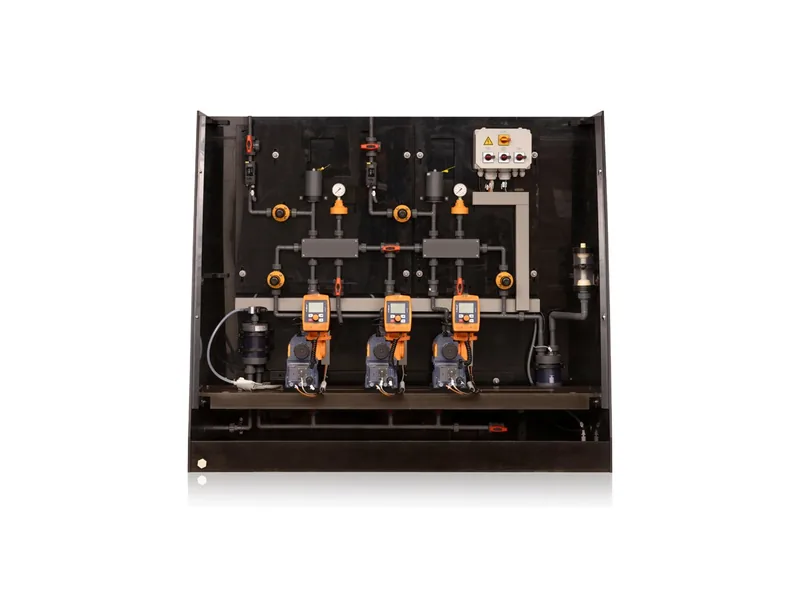
A dosing pump cover does three jobs: it contains chemical spray when a pump head or fitting leaks, it slows corrosion of the motor and controls from acid fumes, rain and sunlight, and it keeps hands away from rotating parts. Picking the right dosing pump cover is mostly about the chemical, the location and how often operators need to reach the controls. This article is for operators of chemical feed rooms, skid designers, and contractors installing pumps outdoors.
What a dosing pump cover protects against
Spray from the pump head and fittings
The discharge side of a metering pump is under pressure. A loose union nut, a cracked tube or a ruptured diaphragm can release chemical as a fine spray. With sulfuric acid, hydrochloric acid, caustic soda or sodium hypochlorite, that is an injury waiting to happen. A clear splash guard around the head deflects the spray down into a drip tray and gives the operator a physical barrier.
Treat the dosing pump cover as the second line of defense. The first line is correct tubing, fittings and torque. If you find chemical residue inside the guard, the pump is already leaking. Stop and find the source.
Corrosion from fumes and moisture
Rooms dosing hydrochloric or nitric acid usually carry a constant acid mist. Over months you see rusted motor frames, green terminals in the junction box, seized stroke knobs and faded displays on solenoid pumps. A dosing pump cover combined with sensible ventilation keeps that mist off the most sensitive parts.
Rotating parts
Motor-driven diaphragm and plunger pumps usually connect motor and gearbox through a coupling. A coupling guard is basic machine safety. If it comes off for maintenance, it goes back on before restart.
Types of dosing pump cover
Most sites use one or more of four arrangements, from smallest to largest:
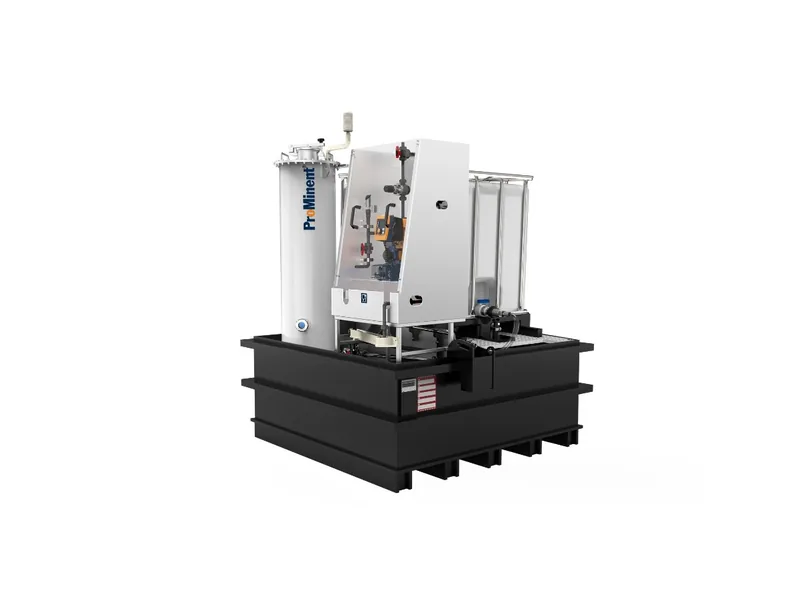
Figure 1: ProMinent IBC dosing station with spill containment base. Image source: ProMinent official website
- Head splash guard: a small clear shield over the liquid end and its connections, so valves and diaphragm area stay visible.
- Coupling guard: a metal or plastic guard over the rotating shaft connection.
- Full enclosure: a box around the whole pump and motor, common outdoors or in heavy rain and strong sun.
- Panel or cabinet mounting: pumps, valves and piping grouped on a panel or inside a cabinet with a common spill tray.
ProMinent's DULCODOS panel is an example of the fourth type: a metering system with pumps and line accessories pre-mounted on a single panel, which keeps fittings in predictable places and makes splash protection and drainage easier to add. For dosing straight from IBC totes, ProMinent also offers a dosing station with a spill containment base. See our dosing accessories range and the ProMinent brand page.
Choosing the material
Match the material to the chemical and the environment, not to thickness:
- Clear PVC or polycarbonate works well for head splash guards. Polycarbonate does not like some solvents and can yellow and turn brittle under long UV exposure.
- PP or PE has good acid and caustic resistance and suits full enclosures and drip trays. Outdoors, specify a UV-stabilized grade.
- Stainless steel is strong and weatherproof, but it corrodes in hydrochloric acid and hypochlorite rooms, so it is generally avoided there.
Cover material and pump head material follow the same logic. For the head itself, see our guide to chemical resistant dosing pump selection.
When a dosing pump cover causes new problems
A fully sealed box is the most common mistake. Fumes from hydrochloric acid get trapped inside, concentration rises above room level, and the motor corrodes faster than it would uncovered. Motors and solenoid drives also produce heat. Without airflow, summer temperatures inside the box climb, the motor trips on overload and electronics age early. Every dosing pump cover needs vents or louvers and a drain at the bottom.
The second problem is blocked access. If the stroke knob, display or bleed valve sits behind the guard, operators remove it every time they adjust something, and eventually stop putting it back. Leave frequently used controls exposed, or use a hinged door that opens quickly.
The third is liquid pooling inside. Chemical that collects at the bottom of the guard slowly eats the pump base and bolts. Slope the floor of the enclosure and pipe the drain to a spill tray or trench.
Outdoor dosing pump protection
Outdoors, the threats are rain in the junction box and UV damage to plastic parts. Motors and solenoid pumps carry an IP rating on the nameplate, but that rating comes from a standard test, not from years of rain, sun and frost. An outdoor dosing pump cover usually means a full enclosure with a rain hood on top and ventilation at the sides. In cold climates where the chemical can crystallize or freeze, add heat tracing and insulation inside the box.
Mounting height and base design affect how the enclosure fits, so read our notes on dosing pump mounting platforms before you order steelwork.
Before removing any guard, stop the pump, isolate power, relieve discharge pressure and wear a face shield and chemical gloves. For hypochlorite rooms, follow our hypochlorite dosing room safety rules.
Conclusion
A dosing pump cover is a low-cost safety item that stops spray, slows corrosion and guards moving parts, but it must breathe, drain and leave controls reachable. For most indoor rooms a clear head splash guard over a drip tray is enough. Outdoors or in heavy acid fumes, move up to a ventilated full enclosure. Send us the chemical, location and pump type, and contact our engineers to specify the right dosing pump cover and spill tray.
FAQ
Is a dosing pump cover mandatory?
A coupling guard on motor-driven pumps is. A head splash guard is not always required, but it is strongly recommended for strong acids, caustic and hypochlorite.
There is chemical inside the splash guard. What does it mean?
The head, a fitting or the diaphragm is leaking. Stop the pump, relieve pressure and inspect, rather than just wiping it clean.
Does a solenoid dosing pump need an enclosure?
In a dry indoor room, usually not. In heavy fumes or outdoors it helps, provided the box is vented so the electronics stay cool.
Should the guard be clear or opaque?
Clear for head splash guards, so operators can spot leaks and valve problems. Outdoor full enclosures can be opaque, UV-stabilized plastic.
Do operators still need PPE with a cover fitted?
Yes. The guard is open during priming, diaphragm changes and inspections, so face shields, gloves and protective clothing are still required.