
Metering Pump Motor Overheating: Causes and Field Checks
Motor overheating on a metering pump should send you to the motor first, not to a general rebuild of the whole unit. Feel or measure where the heat is: the motor frame and the terminal box, or the gearbox, the coupling or the pump head. Those locations have different causes. How to split heat across the whole machine is covered in diaphragm metering pump overheating. This note stays with the motor: how to tell that motor overheating is real, what to check on site, and when a tripped thermal protector must not be reset.
A running motor is allowed a temperature rise. What matters is whether the frame is still climbing, whether there is a burnt smell, whether the fan is turning, and whether a thermal protector or an overload relay has already tripped. When motor overheating becomes abnormal, the usual causes are a high mechanical load, a poor electrical supply, or blocked cooling. Check them in that order.
Confirm that motor overheating is in the motor, not the gearbox
Look at what you can see before you isolate and lock out the supply. Is the fan cowl packed with chemical dust? Is a fan blade missing? Has the motor been boxed in by a cabinet panel or a lagging wrap? If the frame is too hot to rest a hand on, or you can smell burnt insulation or see smoke, do not jog the motor. Isolate it first.
Take the temperature on the motor frame or near the terminal box. Do not compare a gearbox reading with a motor reading and call both "the pump is hot". Gearbox heat belongs with oil level, oil grade and bearings. Heat at the coupling belongs with alignment, as in metering pump coupling alignment. Only after you have confirmed motor overheating should you move on to load and supply checks.
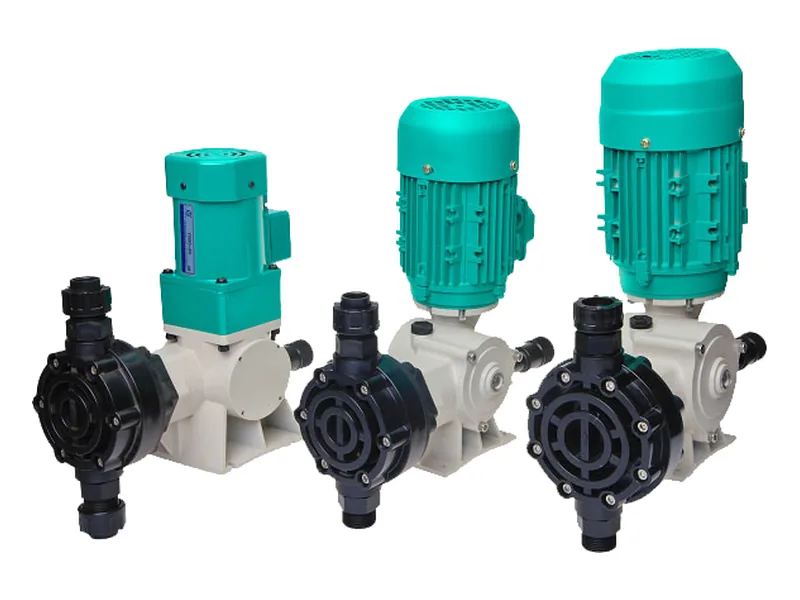
On a NEWDOSE mechanical diaphragm pump the motor sits above the gearbox, so it is easy to mix the two temperatures on a walk-by. Record them separately, by hand or with a thermometer.
Load and supply problems that cause motor overheating
When the motor is overloaded, current stays above the nameplate value and the winding cannot shed the heat. Look first at discharge pressure: is the pump sitting on its pressure limit, has a relief or back-pressure valve been tightened too far, is the line or the injection point blocked? A rise in viscosity, such as polymer or a strong salt solution in cold weather, will also lift the torque. A seized head, a jammed check valve or a coupling that is binding will make the motor work just as hard.
Measure the supply; do not stop at "the breaker is closed":
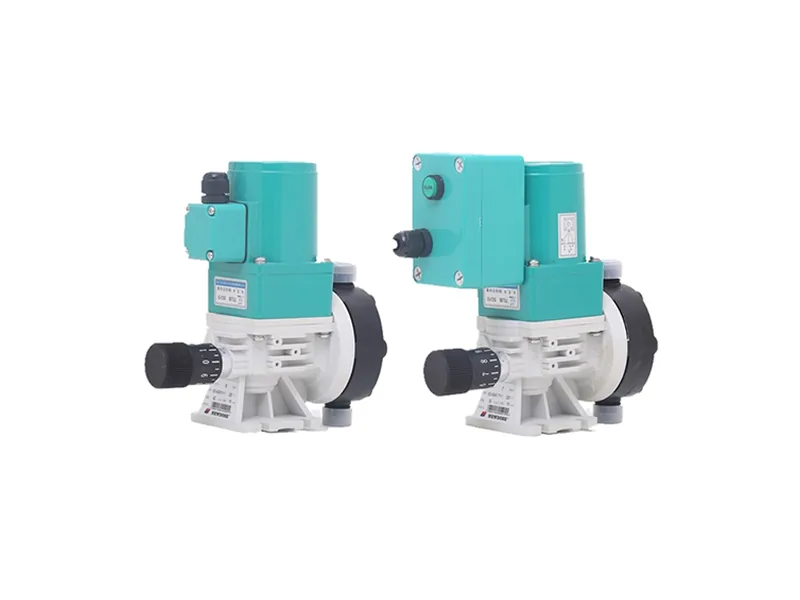
Figure 1: NEWDOSE EcoDose mechanical diaphragm dosing pump. Image source: NEWDOSE official website
- Three-phase voltage within the allowed band, with no missing phase and no large imbalance.
- Running current that is not sitting above the nameplate, and that falls after the start.
- On a single-phase motor, a capacitor that is not swollen or failed, and a terminal voltage that is not so low that the motor sounds tight.
A missing phase is a classic cause of motor overheating: the machine still turns on two phases, the sound is wrong, the current is distorted, and the winding can heat in a short time. After a thermal trip, take these readings before anyone resets the protector. How to read nameplate power, and why the motor is often a little oversized, is in dosing pump motor power.
Poor cooling will keep a motor climbing even at normal current
The motor depends on its own fan and on the air around it. If the cowl inlet is blocked or the fan hub is loose, airflow drops and the frame will climb even when current looks normal. A closed, hot dosing room, a motor sitting against a steam line, or a unit in direct sun will eat the temperature margin.
If a metering pump is mounted inside a cabinet, leave a path for air into the cowl and out of the box. Do not park the cowl against a panel. Outdoor units need a rain shield, but the shield must not trap the heat.
A variable-frequency drive at low speed also slows the shaft-mounted fan, and cooling suffers. That is a separate subject, covered in metering pump VFD at low speed. This note does not go into drive parameters. The practical point is simple: if you already have motor overheating, do not try to "unload" the unit by dropping frequency until you have checked load, supply and the air path.
What to do on site, and when you must not restart
Treat motor overheating by stopping the unit cleanly and then finding the cause. Do not keep resetting a thermal protector to get the pump back on line. If current is clearly above the nameplate, remove the discharge load first: open the path, check the relief and back-pressure valves, free any jam, and only then consider a jog. If the voltage is wrong or a phase is missing, repair the supply; do not jog on two phases. Clean the air path and check alignment only after the motor is isolated.
A jog is reasonable only when the load has been removed, the supply is restored, the fan can turn, and there is no flammable vapour or leaking chemical around the unit. Current should sit near the nameplate, and the frame temperature should stop climbing, before the pump goes back into service. If current stays high or the protector trips again, stop at once. Do not raise the overload setting to silence motor overheating. The protector is a last barrier, not a tuning knob.
If motor overheating keeps coming back, record running current, discharge pressure and ambient temperature, and check with the supplier whether the motor power and the enclosure still match the duty. If the duty is unclear, contact us with flow, pressure, supply data and the mounting location.
Conclusion
Most motor overheating on a metering pump can be traced to load, supply or cooling. Confirm that the heat is in the motor and not the gearbox, measure current and voltage, then look at the cowl, the room and the installation. Do not restart against a trip you have not explained. A missing phase, a seized drive or a burnt smell means isolate first. Those steps will locate most field events; repeated motor overheating should send you back to motor sizing and to the way the unit is boxed in.
FAQ
The motor is hot to the touch. Does that mean it has already failed?
Not by itself. A temperature rise in service is normal. Watch whether it is still climbing, whether there is a burnt smell, whether current is above the nameplate, and whether a protector has tripped. Persistent heat or a smell is a reason to stop and inspect.
The thermal protector tripped. Can I reset it and run again?
Not until you know why. Check load, voltage, a missing phase and the air path first. A forced restart after motor overheating can push the winding insulation closer to failure.
The motor is hot but the gearbox is not. What does that tell me?
The problem is more likely load, supply or the motor's own cooling, not a dry gearbox. If both are hot, follow both trails. Do not just change the motor.
Can cold, thick chemical cause motor overheating in winter?
Yes. Higher viscosity raises torque and can hold current high. Check tracing and liquid temperature first, and clear the line or reduce stroke if needed, before you blame the motor alone.
A single-phase motor is running hot. Is the capacitor at fault?
A tired capacitor is a common cause, but not the only one. Also check a low supply voltage, a blocked cowl and a mechanical tight spot. Measure running current before you change the capacitor, so you do not miss an overload.