
Dosing Pump Power Consumption: Motor kW, Sizing and Energy Use
Dosing pump power consumption is usually small, because a metering pump moves a low flow, even at high pressure. The real draw is set by two numbers: how much liquid you push and how hard you push it. The motor kW on the nameplate is larger than that, and for good reason. This guide is for plant engineers sizing electrical feeders, buyers comparing quotes, and operators who want to know what a chemical feed room really uses per month.
What the nameplate says about dosing pump power consumption
A motor nameplate kW figure is rated output power at the shaft. It is not what the pump takes from the grid. Input power is output divided by motor efficiency, and on three-phase motors you also need the power factor and full-load current to work out the electrical side.
Keep two jobs apart. Breakers, cables and overload relays are sized from current. Energy bills and dosing pump power consumption come from input power multiplied by running hours.
The pump nameplate normally lists flow in L/h or GPH, maximum pressure in bar or psi, and stroke rate. Read both plates together. The same pump head might be offered with a 230 V single-phase motor or a 400 V three-phase motor at the same kW, yet the current differs a lot.
Solenoid dosing pumps have no motor at all. Their rating is given in watts, describing the average draw of the magnet and the electronics. Motor kW only appears on mechanical diaphragm, hydraulic diaphragm and packed plunger pumps.
How flow and pressure drive dosing pump power consumption
A metering pump is a reciprocating positive displacement pump. Every stroke pushes a fixed volume into the line against discharge pressure, so the work done scales with flow times pressure.
A quick estimate of hydraulic power: P (kW) ≈ Q (m³/h) × p (bar) ÷ 36. With round numbers, 1 m³/h at 10 bar gives about 0.28 kW of hydraulic power. Divide by the combined efficiency of the pump and gearbox to get shaft power. Always use pressure at the pump discharge, which includes the back pressure valve setting, line friction and injection point pressure, not the pressure at the far end of the pipe.
Why a high-pressure plunger pump has a bigger motor
Double the pressure at the same flow and hydraulic power doubles too. That is why a refinery injection pump with modest flow can carry a much bigger motor than a water treatment diaphragm pump. The difference is pressure, not size.
Why the motor kW looks oversized
Run the formula and the motor often comes out several times larger than the actual dosing pump power consumption. That margin is deliberate:
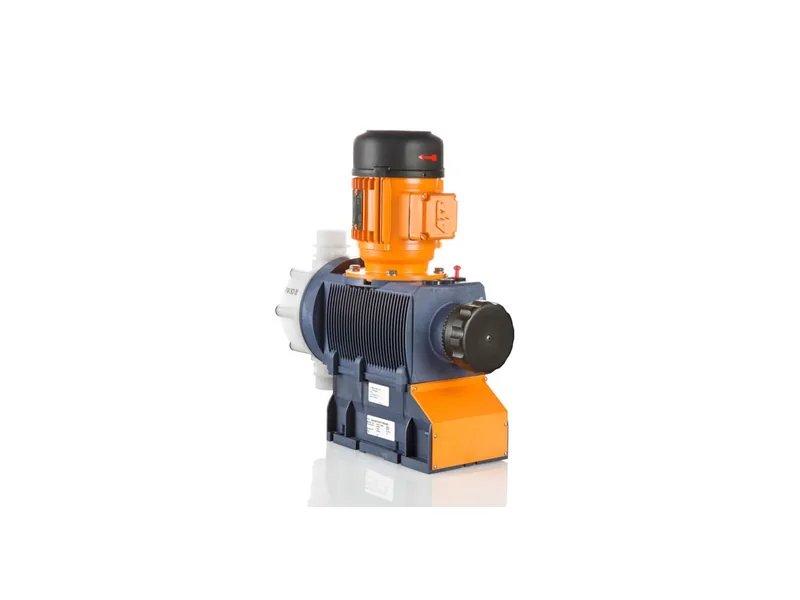
Figure 1: ProMinent Sigma/3 motor-driven diaphragm metering pump. Image source: ProMinent official website
- Worm or helical gear reducers lose energy, and small gearboxes are the least efficient.
- The motor must carry the maximum rated pressure, not your normal operating pressure.
- Load inside one stroke rises and falls, so peak torque sits well above average torque.
- Cold, thicker chemicals in winter and start-up under pressure need extra torque.
Do not swap in a smaller motor to save energy. We have seen sites do it. The pump runs fine until someone raises the back pressure valve or the weather turns cold, then the overload trips. For heat and trip problems, see our guide on metering pump overheating causes.
Measuring real dosing pump power consumption
The motor is rarely at full load. At 50% stroke length the running current is usually well below nameplate current. The practical method is simple: clamp a meter on the supply, read running current, convert to input power with voltage and power factor, then multiply by hours of operation.
Example with round numbers: a pump measured at 0.5 kW input, running 24 hours a day, uses about 12 kWh per day, or around 360 kWh in a 30-day month. Multiply by your local tariff to get the cost.
Compared with mixers and transfer pumps, dosing pump power consumption is rarely the big item. If the energy bill matters, check whether tank agitators run around the clock before you look at the metering pumps.
VFD, explosion-proof and single-phase cases
Variable frequency drives
When a VFD controls stroke rate, the motor's own fan slows down too. Long periods below about 20 Hz can overheat a standard motor. Use a motor with an independent cooling fan, or combine stroke length and frequency control. Lower speed also trims dosing pump power consumption only slightly, so cooling matters more than savings. Details are in our article on running a metering pump VFD at low speed.
Explosion-proof motors
Flameproof motors are heavier and come in fixed frame steps, so a manufacturer may fit one size up compared with a standard motor. Dosing pump power consumption barely changes, but the feeder and cable gland do. See our explosion proof metering pump selection guide.
Single-phase supply
Small mechanical diaphragm pumps can run on single-phase motors, but starting torque is lower. Where there is a back pressure valve or a long discharge line, three-phase is the safer choice.
Example: reading a ProMinent Sigma motor-driven pump
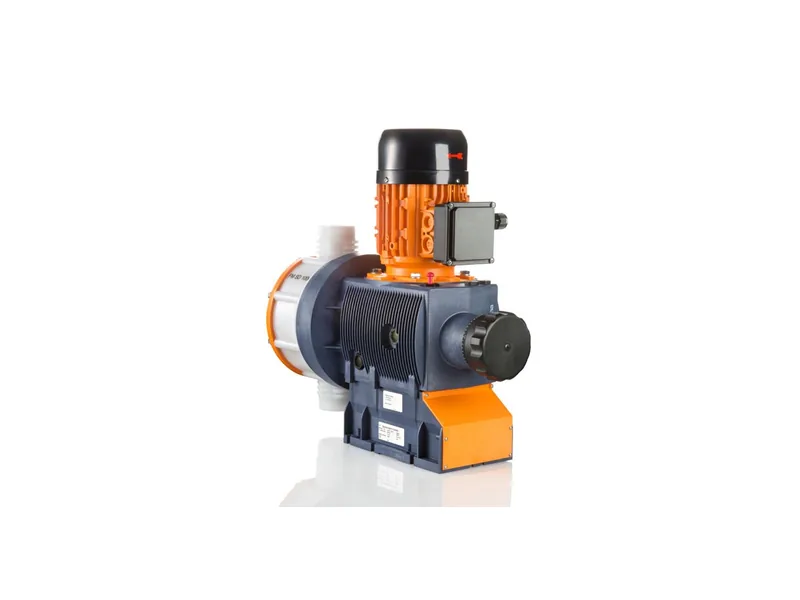
ProMinent Sigma pumps (Sigma/1, Sigma/2 and Sigma/3) are motor-driven mechanical diaphragm metering pumps graded by flow and pressure, and the larger frames generally carry larger motors. When reading the data sheet, find the flow and pressure for your duty first, then check the matching motor size and voltage options. Browse the range on our ProMinent brand page or compare other mechanical diaphragm metering pumps.
Field mistakes that push current up
- Starting against a closed discharge valve. Pressure spikes, the relief valve lifts and the overload trips. Open the discharge valve first.
- Setting the overload relay below nameplate current. It trips on cold starts. Set it to rated current, then check actual current.
- Crystallized discharge lines with caustic or lime. Pressure creeps up for weeks and so does dosing pump power consumption.
Isolate and lock out power before working on the motor, and relieve line pressure before opening any fitting.
Conclusion
Dosing pump power consumption follows flow and discharge pressure. The nameplate motor kW already covers gearbox losses and maximum pressure, so it should generally stay as supplied. To estimate energy use, measure running current and multiply by hours rather than trusting the nameplate. Send us the chemical, flow, discharge pressure, supply voltage and hazardous area rating, and contact our engineers to check motor size and dosing pump power consumption for your duty.
FAQ
How much power does a typical dosing pump use?
Usually very little. Solenoid pumps are rated in watts, typical mechanical diaphragm pumps use a fraction of a kW, and only high-pressure, high-flow plunger pumps go higher.
Can I calculate power from the pressure at the end of the pipe?
No. Use pump discharge pressure, which adds back pressure valve setting, line losses and injection pressure on top of the process pressure.
Is a solenoid pump more energy efficient than a motor pump?
At low flow, generally yes. As flow and pressure rise, motor-driven pumps become the more practical choice, so compare on duty rather than on wattage alone.
What does rising dosing pump power consumption tell me?
Often that the pump is working against higher pressure. Check discharge pressure, the back pressure valve, blocked lines and gearbox oil.
Will a bigger motor increase the flow rate?
No. Flow depends on stroke length, stroke rate and plunger or diaphragm size. A bigger motor only handles more pressure, so low flow needs a larger pump.