
Metering Pump Coupling Alignment: Gearbox to Motor Guide
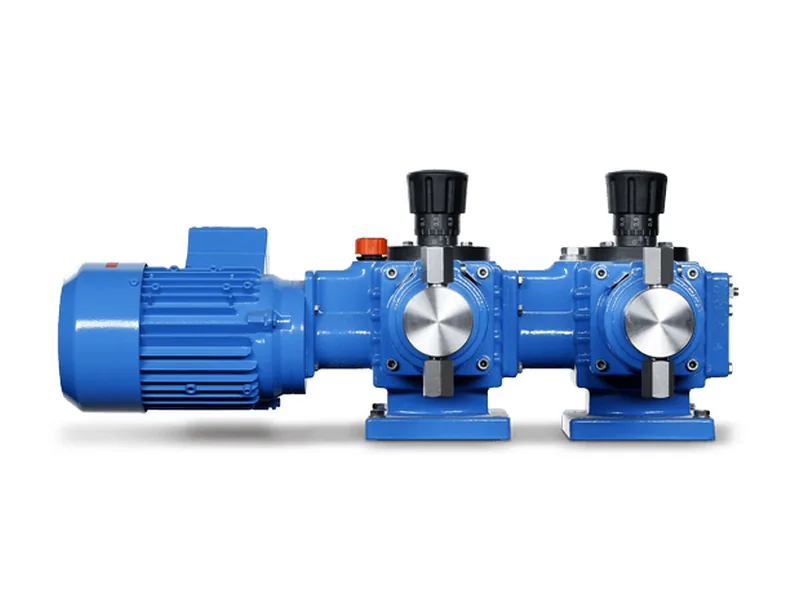
Metering pump coupling alignment decides how long the drive end of a plunger pump lives. A plunger metering pump connects its motor to the gearbox in one of two ways: the motor is flange-mounted directly on the gearbox, with its shaft keyed into the worm shaft, or the motor and gearbox sit separately on a base plate and a flexible coupling joins them. Either way, the two shafts must run on one line. If they do not, bearings, oil seals and coupling elements wear out long before their time.
This guide is for millwrights and installation crews. It covers both connection types, how to remove and refit a motor, how to check alignment on site, and the symptoms of poor metering pump coupling alignment. It stays on the drive end; liquid end topics are covered elsewhere.
Flange Mount vs Flexible Coupling
Flange-mounted motor
Small and mid-size plunger pumps usually use a flange mount. The motor spigot locates in the gearbox adapter flange, so alignment comes from machining accuracy and normally needs no field adjustment. Keep the spigot and faces clean, tighten bolts in a cross pattern, and never hammer a tight motor shaft into the worm shaft bore. That shock goes straight into the gearbox bearings.
Separate motor with flexible coupling
Larger drives and heavy motors are mounted separately and joined with a flexible coupling. The coupling absorbs small misalignment and shock, but its tolerance is small. It is not a licence to install the motor crooked. This layout always needs field alignment.
Removing and Refitting the Motor
Using a coupled drive as the example:
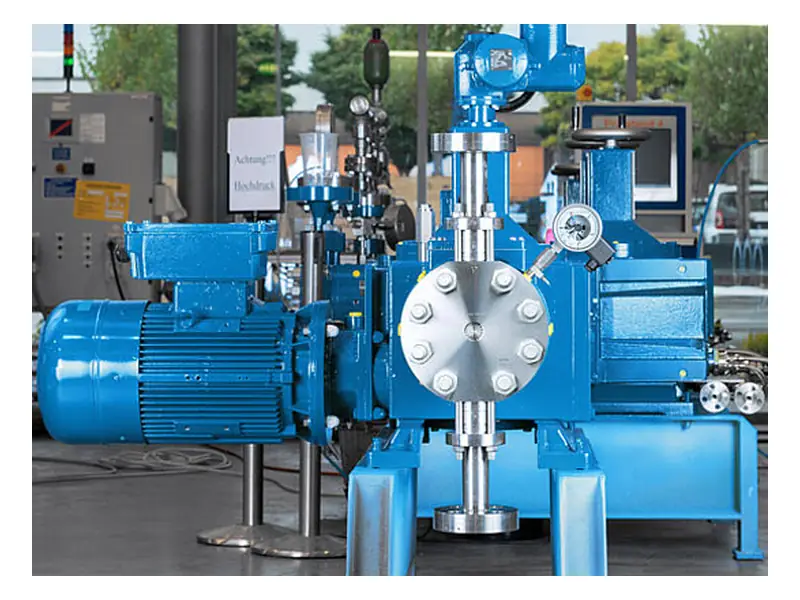
Figure 1: LEWA 力华 ecoflow plunger pump with motor. Image source: LEWA 力华 official website
- Isolate and lock out the motor, confirm it cannot be started remotely, then remove the coupling guard.
- Mark the relative position of both coupling halves, loosen the motor feet and slide the motor back.
- Inspect the coupling element for wear, cracks or debris, and check keys and keyways for play.
- On refitting, shim the motor until its shaft height matches the gearbox input shaft, then set the specified coupling gap.
- Tighten the hold-down bolts in a cross pattern and check metering pump coupling alignment again. Tightening often pulls the motor out of line.
- Refit the guard, turn the coupling by hand, then jog the motor.
While the motor is off, confirm the wiring and rotation using our plunger metering pump wiring guide.
How to Check Metering Pump Coupling Alignment
There are two kinds of error. Radial (parallel) offset means the shafts are parallel but not concentric. Angular misalignment means the shafts meet at an angle.
The simplest check uses a straight edge and feeler gauges. Lay the straight edge across both coupling rims at top, bottom and both sides to see radial offset. Measure the gap between the coupling faces at four points; the difference shows angular error.
For tighter work, use dial indicators. Clamp the base on one hub, put one indicator on the rim of the other hub and one on its face, and rotate one full turn. The rim reading shows radial offset; the face reading shows angular error. Follow the coupling and pump manuals for allowable values. Without data, aim tighter rather than looser.
Symptoms of Poor Metering Pump Coupling Alignment
When metering pump coupling alignment is off, the gearbox input sees extra radial load and bending. Typical signs:
- Coupling elements wear quickly, leaving black dust inside the guard.
- Vibration at the motor and gearbox, worst near the coupling.
- Oil leaks at the gearbox input shaft seal.
- A hot, noisy input bearing with a short life.
These often get treated as separate faults. The seal is replaced, the bearing is replaced, and a few months later they fail again because metering pump coupling alignment was never fixed. If you need to open the drive to inspect wear patterns, follow the plunger metering pump disassembly steps.
Field Details That Get Missed
Soft foot is the big one. If the base is uneven and a motor foot is not fully supported, tightening the bolt distorts the frame and the alignment walks. Check all four feet with feeler gauges and shim any gap first. Hot fluids can shift alignment between cold and running conditions, so a hot check may be needed. Pipe strain can pull the pump head and gearbox out of line; support the discharge piping independently.
Industrial packages such as the LEWA ecoflow come with motor and drive pre-assembled on a base. Transport, lifting and grouting can still disturb things, so verify metering pump coupling alignment once more before first start.
Why Good Alignment Pays Off
Good metering pump coupling alignment costs an hour with a straight edge or dial indicators. Poor metering pump coupling alignment costs bearings, seals and coupling elements every few months, plus the downtime to fit them. Record the final readings in the maintenance log so the next crew has a baseline.
Conclusion
Flange-mounted motors rely on machining accuracy; coupled motors rely on field alignment. In both cases the shafts must be concentric and parallel. Follow a clean removal and refit sequence, check radial and angular error with a straight edge or dial indicators, re-check after tightening, and watch for soft foot, thermal growth and pipe strain. For motors and spare parts, see our plunger metering pump range and the LEWA product page, or contact our engineers with nameplate photos.
FAQ
Can I fit a different motor brand to the gearbox?
Yes, if power, speed, flange and shaft size match. For flange mounts, confirm the spigot dimensions too.
How often should coupling elements be replaced?
There is no fixed interval. Inspect at every service and replace on cracks or deformation. Frequent failures point to alignment.
Vibration got worse after a motor change. Why?
Check metering pump coupling alignment and the motor feet first, then rotation and wiring, then whether the coupling is fully seated.
Do I need dial indicators for every pump?
For small motors, a straight edge and feeler gauges are usually enough. Use dial indicators on larger or faster drives.
Is a leaking input seal always a bad seal?
No. Misalignment, a worn shaft and a blocked breather all cause seal leaks. Rule those out first.