
Metering Pump Relief Valve: Internal vs External, Which to Use
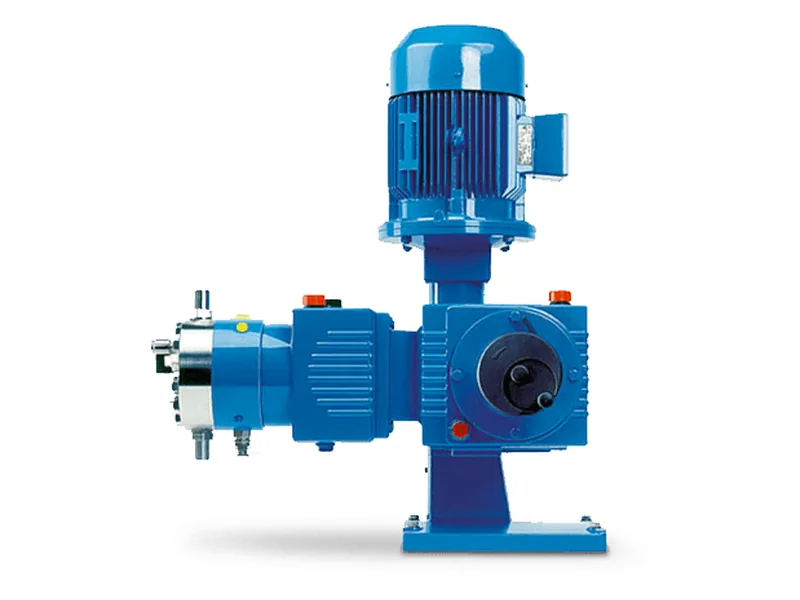
A metering pump relief valve comes in two basic forms: internal, built into the pump, and external, fitted in the discharge line. The real difference is where it sits, what it vents and what it protects. An internal valve usually protects the pump itself, while an external valve sends chemical back to the tank and protects the whole discharge line. Because a metering pump is a positive displacement machine, a closed outlet makes pressure climb until something gives, so this is not an optional accessory. Skip it and you are betting the pipe.
How an internal metering pump relief valve works
The most common internal design lives in the hydraulic system of a hydraulic diaphragm pump. The plunger moves hydraulic oil, and the oil moves the diaphragm. When discharge pressure passes the set point, the internal valve opens and oil returns to the reservoir. The diaphragm stops advancing, so pressure in the liquid end stops rising.
Key features of this design:
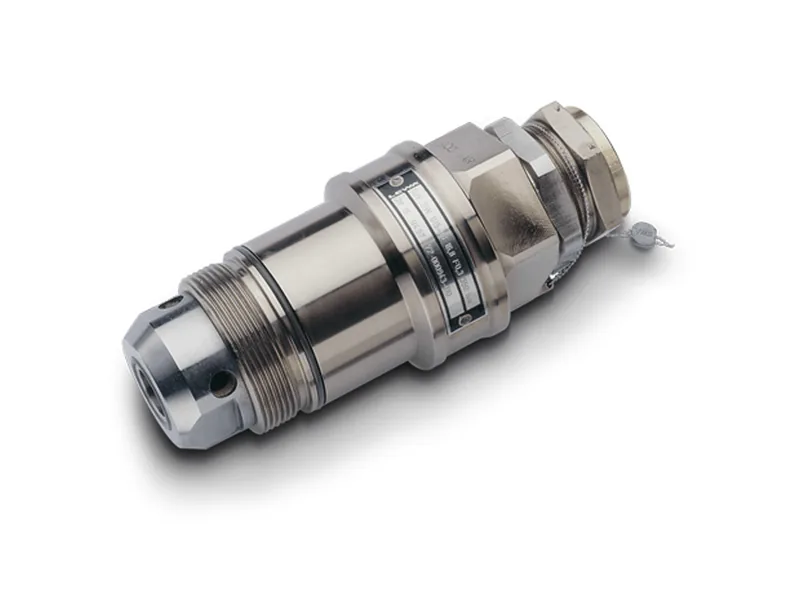
Figure 1: LEWA ecoflow integrated pressure valve. Image source: LEWA official website
- It vents hydraulic oil, not process chemical, so nothing hazardous leaves the pump during an overpressure event.
- It is factory set, reacts quickly and needs no extra piping.
- The set point is typically only a little above the maximum working pressure, mainly to protect the drive, diaphragm and housing.
The LEWA ecoflow hydraulic diaphragm pump integrates a pressure relief valve in its hydraulic system; see the LEWA brand page and our range of hydraulic diaphragm metering pumps.
Some solenoid and mechanical diaphragm pumps carry a multifunction valve on the head with a relief function. The mechanism differs, but it still counts as an internal metering pump relief valve.
How an external metering pump relief valve works
An external metering pump relief valve is a separate spring-loaded unit, teed into the line between the pump outlet and the first isolation valve. In normal service the spring holds the poppet shut. Above the set point the poppet lifts and chemical flows out of the side port through a return line to the tank.
Its features complement the internal type:
- It vents process chemical, so it must have a return line.
- It protects the full discharge run, including pulsation dampeners, flow meters and gauges.
- The set pressure is adjustable on site, and body materials such as PVC, PVDF or stainless steel are chosen for the chemical.
- You can see at a glance whether chemical is coming back through the return line.
Internal vs external pressure relief valve compared
Side by side, the internal vs external pressure relief valve choice looks like this:
- Location: inside the pump versus in the discharge piping.
- What it vents: mostly hydraulic oil versus process chemical.
- What it protects: mainly the pump versus the pump plus line components.
- Setting: factory set and usually left alone versus adjustable to suit the piping.
- Maintenance: checked with the hydraulic oil versus pulled and cleaned so crystals do not jam the poppet.
One point is easy to miss. If the internal valve cycles for long periods, the hydraulic oil heats up. With a blocked outlet the pump may look normal, yet oil is just circulating back to the reservoir and real flow has dropped.
Matching the valve to the pump type
Hydraulic diaphragm pumps
These already have an internal metering pump relief valve. On long, high-pressure lines with several components, an external valve is still commonly added. When both are fitted, the external valve is typically set a little below the internal one, so chemical returns to the tank first and the internal valve stays as the last line of defense. Our high-pressure metering pump selection guide covers this duty in more detail.
Mechanical diaphragm pumps
Most have no hydraulic chamber and therefore no internal relief, so an external metering pump relief valve is required. With a blocked outlet the diaphragm takes the full pressure and can rupture; see why safety valves fail on mechanical diaphragm pumps.
Solenoid metering pumps
A solenoid drive has limited force, so overpressure usually stalls the stroke rather than bursting the pipe. Still, on long lines or with fragile components, an external metering pump relief valve is a sensible addition. Cheap insurance.
Installation mistakes with an external metering pump relief valve
Never put a valve between the pump and the relief valve. Installing it after an isolation valve makes it useless the moment someone closes that valve.
Keep the return line free of valves, and do not route it into the suction line. Run it back to the tank above the liquid level, where flow is visible.
Slope the return line so liquid cannot sit and crystallize, and insulate outdoor runs in winter. A frozen return line means the metering pump relief valve cannot vent at all. If the internal valve on a hydraulic pump keeps lifting, our guide on hydraulic diaphragm pump relief valve lifting walks through the causes.
Conclusion
An internal metering pump relief valve protects the pump and usually vents oil; an external one protects the discharge line and vents chemical through a return line. Hydraulic diaphragm pumps already have internal protection but typically get an external valve on high-pressure, long runs, while mechanical diaphragm pumps need an external valve. Send us your pump type, discharge pressure and line components, and contact us to confirm the right setup.
FAQ
Do I need an external valve if the pump has an internal one?
It depends on the piping. Short lines with few components can do without; long, high-pressure lines or lines with dampeners usually get an external metering pump relief valve too.
How do I choose the external set pressure?
Set it above normal operating pressure and below the rating of the pump and line components. With both valves fitted, set the external one slightly lower.
Can I adjust the internal valve myself?
Usually not recommended. The set point relates to the structural limits of the pump, so check with the manufacturer first.
What does frequent lifting mean?
Discharge pressure is regularly exceeding the set point. Typical causes are a closed outlet valve, a blocked line or a crystallized injection point.
What material should the external valve be?
Match it to the chemical. Hypochlorite typically uses PVC or PVDF, while some solvents need stainless steel.