
Metering Pump Relief Valve Damage: Causes and Prevention
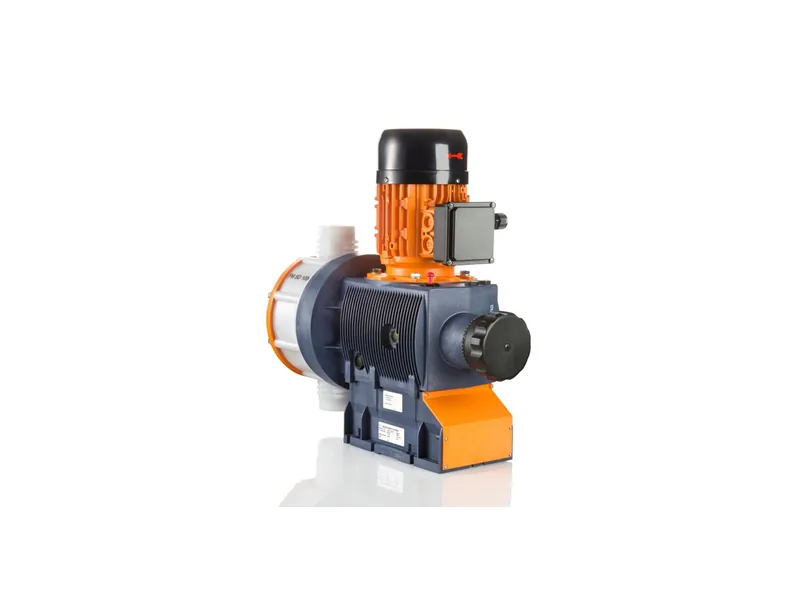
A damaged metering pump relief valve usually comes down to four things: the valve lifts too often and erodes its seat, chemical crystals or corrosion jam the poppet, the set pressure does not match the line, or the valve was installed in the wrong place. In most cases the valve is the victim, not the cause. The real problem sits somewhere in the discharge line.
This guide is written for operators and maintenance technicians running motor-driven mechanical diaphragm pumps, such as the ProMinent Sigma family. Hydraulic diaphragm pumps also carry an internal oil relief valve, which is a separate topic.
What the Metering Pump Relief Valve Actually Protects
A metering pump is a positive displacement pump. Every stroke pushes a fixed volume of liquid forward, whether the line is open or not. If someone closes a discharge valve, an injection quill scales up or a strainer clogs, the pump keeps pushing and the pressure keeps climbing until the diaphragm, the liquid end or a fitting gives way.
The metering pump relief valve is the fuse in that circuit. It stays closed in normal service, opens when pressure passes the set point, sends liquid back to the tank or suction side, and reseats once pressure drops. It is not the same thing as a back pressure valve. A back pressure valve stays open in normal service, holding a steady pressure to stop siphoning and keep the dose accurate. Our article on relief valve vs back pressure valve explains the difference in more detail.
Signs of a Damaged Metering Pump Relief Valve
On site, a failing metering pump relief valve tends to show itself in one of these ways:
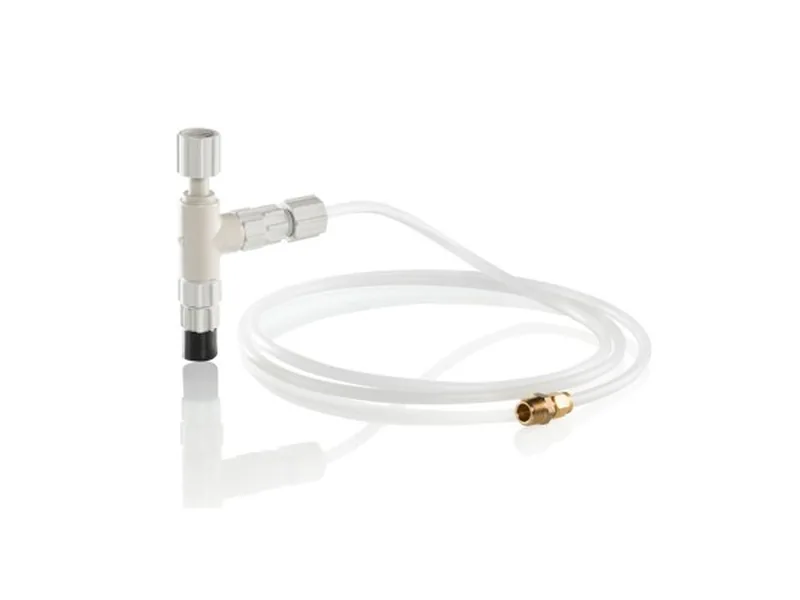
Figure 1: ProMinent ProMinent flushing and relief valve assembly. Image source: ProMinent official website
- Liquid flows back through the return line all the time, and delivered flow drops.
- The discharge gauge reads lower than it normally does.
- The valve body or bonnet weeps, often with white crystals around it.
- The line really is dead headed, yet the valve never opens and the gauge keeps rising.
The first three mean the valve will not seal. The fourth means it will not open, and that is the dangerous one. If the valve fails to open, stop the pump right away. Running on with a dead relief valve is how liquid ends crack.
Common Causes of Relief Valve Damage
Chattering and frequent lifting
Each time the valve lifts, chemical rushes through a narrow gap between poppet and seat at high speed. One lift a week does no harm. Dozens a day will cut grooves into the sealing face within weeks. Frequent lifting is a message from the piping: a partly closed isolation valve, a scaled injection point, a dirty strainer, or a set pressure sitting too close to the operating pressure.
Crystals, corrosion and wrong materials
Sodium hypochlorite, caustic and coagulants leave residue in the valve cavity when the pump stops. That residue dries into crystals that glue the poppet in place. Swapping to a new chemical without checking the valve materials causes trouble too, because springs and seals can swell or corrode. Match the body, poppet, spring and seals to the chemical, and ask whether the spring is wetted.
Set pressure that does not fit the line
Set too low, the metering pump relief valve opens during normal operation and wears itself out. Set too high, it opens only after the liquid end has already been stressed. The safe rule is simple: above the highest working pressure of the line, below the rated pressure of the pump. Take the actual figures from the pump nameplate and the piping design. For a step by step method, see how to set a dosing unit relief valve.
Wrong position or reversed installation
The valve has to sit between the pump outlet and the first isolation valve. Put it after the isolation valve and it is cut off the moment that valve closes. Other common mistakes include mounting it backwards, running the return line uphill, or fitting a shutoff valve on the return line.
Field Check Routine
Work through these steps in order. The early ones are quick and clear up most cases:
- Isolate power, bleed the discharge line and confirm the gauge reads zero. Wear goggles and gloves.
- Check that every valve between pump and injection point is fully open, and that strainers and quills are clear.
- Watch the return line during normal running. Steady flow there means the metering pump relief valve is leaking or set too low.
- Remove the valve and inspect the poppet and seat for grooves or crystals, and the spring for rust or distortion.
- After cleaning or replacing, raise pressure slowly and confirm the valve lifts and reseats cleanly before returning to service.
If the metering pump relief valve still lifts often after cleaning, stop replacing it. The fault is in the line.
How to Prevent Repeat Failures
The idea is to make the metering pump relief valve work less, keep it from getting hurt when it does work, and stop deposits forming while the pump is idle.
- Fit a separate back pressure valve for steady pressure and leave the metering pump relief valve for overpressure only.
- Leave a clear margin between set pressure and working pressure, and add a pulsation damper where pressure peaks are high.
- Flush the liquid end and valve cavity with water before shutting down on crystallizing chemicals.
- Check the metering pump relief valve every time you service the diaphragm, and stock seal kits as wear parts.
To understand why back pressure and relief valves work as a pair, read why a metering pump needs a back pressure valve. You can compare pumps and accessories on our mechanical diaphragm metering pump range and ProMinent pumps pages.
Conclusion
Most metering pump relief valve failures come from frequent lifting, crystals and corrosion, poor set pressure or wrong installation rather than a bad valve. Bleed pressure and isolate power before you inspect, then work from the discharge valves and injection point back to the seat and spring. Keep relief and back pressure duties separate, leave a pressure margin and flush crystallizing chemicals before shutdown. Send us your chemical, flow, working pressure and piping layout, and contact our team to check the valve size and set point.
FAQ
Does a metering pump relief valve need replacing after it lifts once?
No. An occasional lift is the valve doing its job. If it reseats, the return line stops flowing and pressure returns to normal, keep it in service.
Can a back pressure valve replace the metering pump relief valve?
It should not. A back pressure valve usually opens at a low pressure and gives no real overpressure protection. Fit both.
What is the most common cause of relief valve damage?
Crystal build-up and seat erosion from frequent lifting, especially on hypochlorite and caustic lines.
Where should the return line go?
Back to the chemical tank or the pump suction side, kept short, free of valves and without uphill sections.
How often should the valve be checked?
At the same interval as diaphragm service, and more often on aggressive or crystallizing chemicals.